Jack-in-the-Pulpit
Arisaema triphyllum
Jack-in-the-pulpit is a native woodland wildflower with a striped, hooded flower in spring and a cluster of bright red berries in late summer. It wants shade and rich, constantly moist soil. All parts are poisonous if eaten.
At a Glance
| Plant type | Woodland perennial wildflower that grows from an underground corm |
|---|---|
| Family | Arum family (Araceae) |
| Other names | Indian turnip, bog onion, dragon root |
| Native range | Central and eastern North America. Common statewide in Missouri, in moist upland and bottomland woods and at the base of moist, shaded bluffs. |
| Mature height | 1 to 2 feet, occasionally 2 1/2 feet |
| Mature spread | 1 to 2 feet |
| Growth rate | Slow from seed. Seedlings take about five years to bloom. |
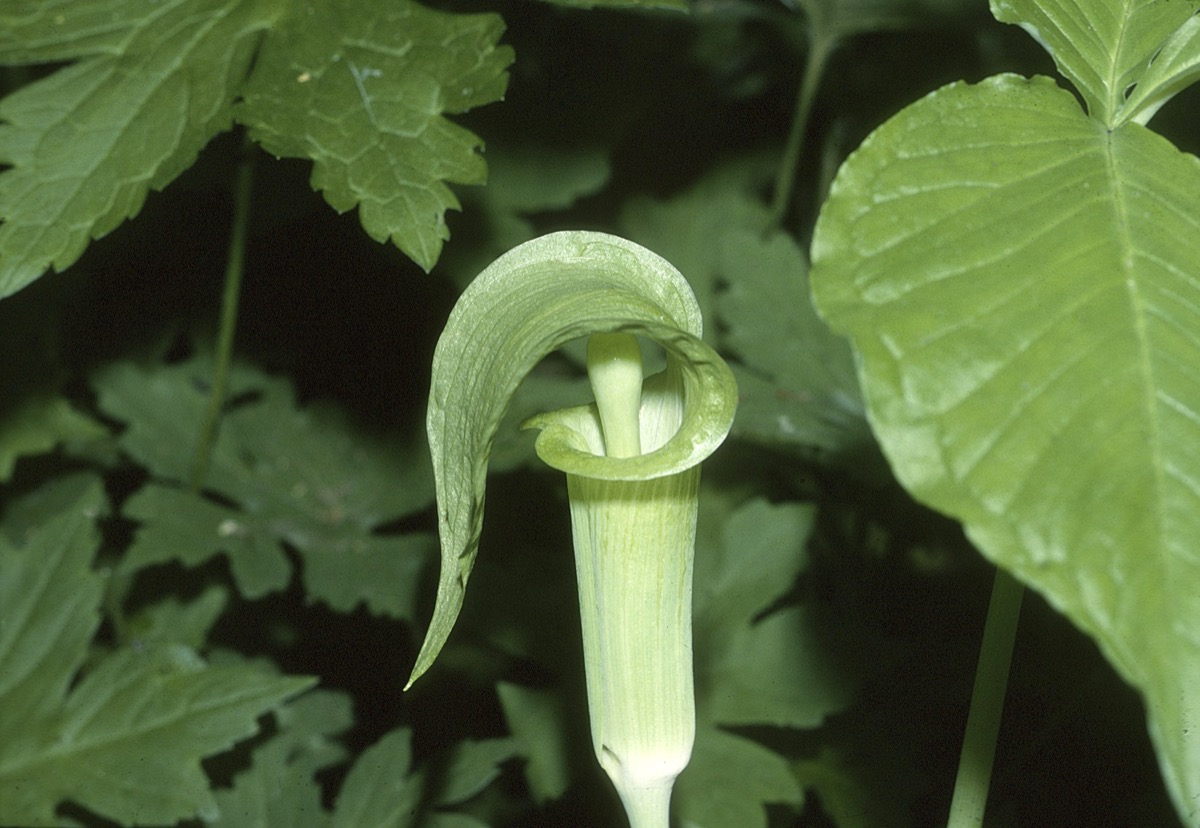
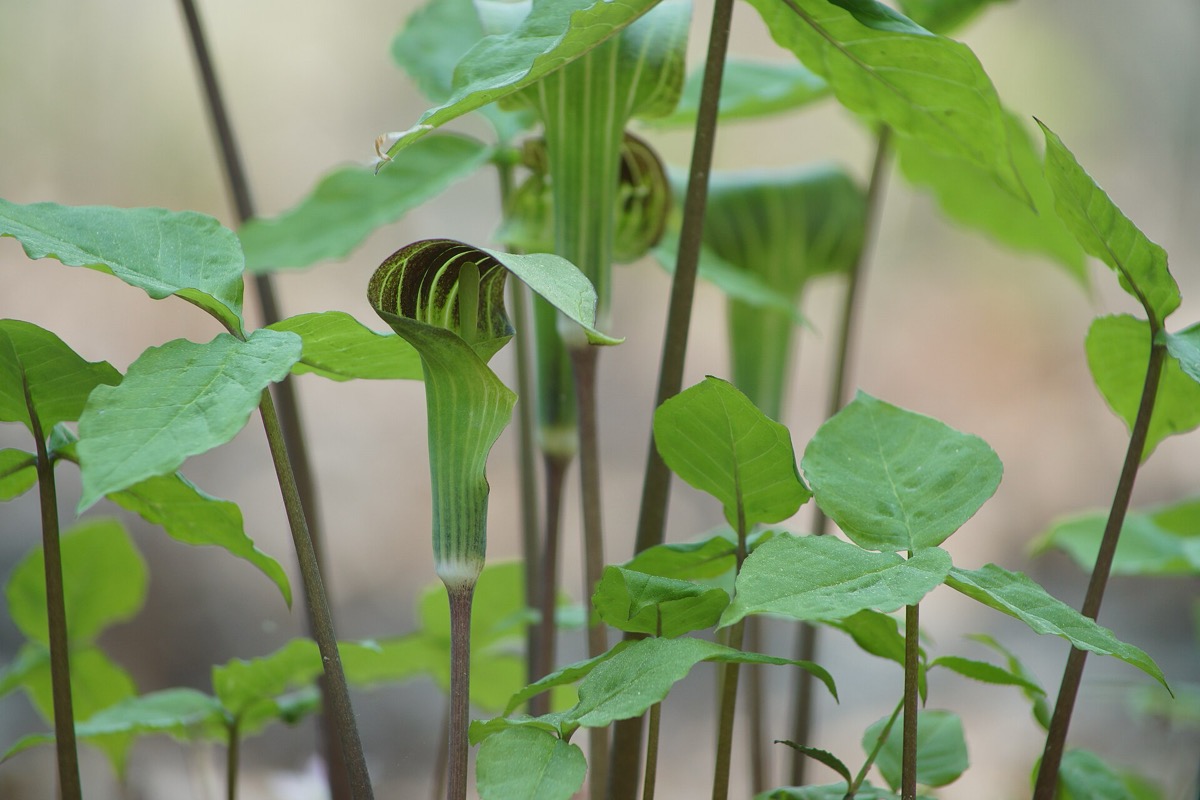
| Flowers | A green or purplish hood, often striped (the "pulpit"), curls over an upright club (the "jack") that holds tiny flowers. Spring, about April to June in Missouri. |
| Fruit or seed | A cluster of berries that turns from shiny green to bright red in mid to late summer, after the hood withers. Not edible. |
| Foliage | Usually two leaves on long stalks, each split into three leaflets, up to about 1 1/2 feet long. Plants often go dormant by midsummer. |
| Toxicity | All parts are poisonous. They contain calcium oxalate crystals, which cause severe pain and swelling in the mouth and throat, drooling, and vomiting if eaten. Harmful to people, cats, dogs, and horses. Rarely causes a skin rash. |
Growing Conditions
| USDA hardiness zones | 4 to 9 |
|---|---|
| Sun | Part shade to full shade |
| Soil | Rich, moist soil high in organic matter. Does poorly in heavy clay. |
| Soil pH | Not particular. Grows in acidic, neutral, or alkaline soil. |
| Water | High. Keep the soil constantly moist. |
| Tolerates | Heavy shade, wet soil, deer |
| Does poorly with | Dry soil, heavy clay |
Will It Grow Here?
Yes, anywhere in our area. Jack-in-the-Pulpit is hardy in zones 4 to 9, which covers every zone in our area (6b through 8a).
| Zone | Grows here? | Towns in this zone |
|---|---|---|
| 6b (our farm) | Yes | Lebanon, MO; Bolivar, MO; Iola, KS; Garnett, KS |
| 7a | Yes | Springfield, MO; Joplin, MO; Fayetteville, AR; Bentonville, AR |
| 7b | Yes | Harrison, AR; Tulsa, OK; Broken Arrow, OK; Tahlequah, OK |
| 8a | Yes | Van Buren, AR; Alma, AR |
Not sure which zone you're in? Look up your ZIP code on the USDA Plant Hardiness Zone Map (opens in a new tab).
-
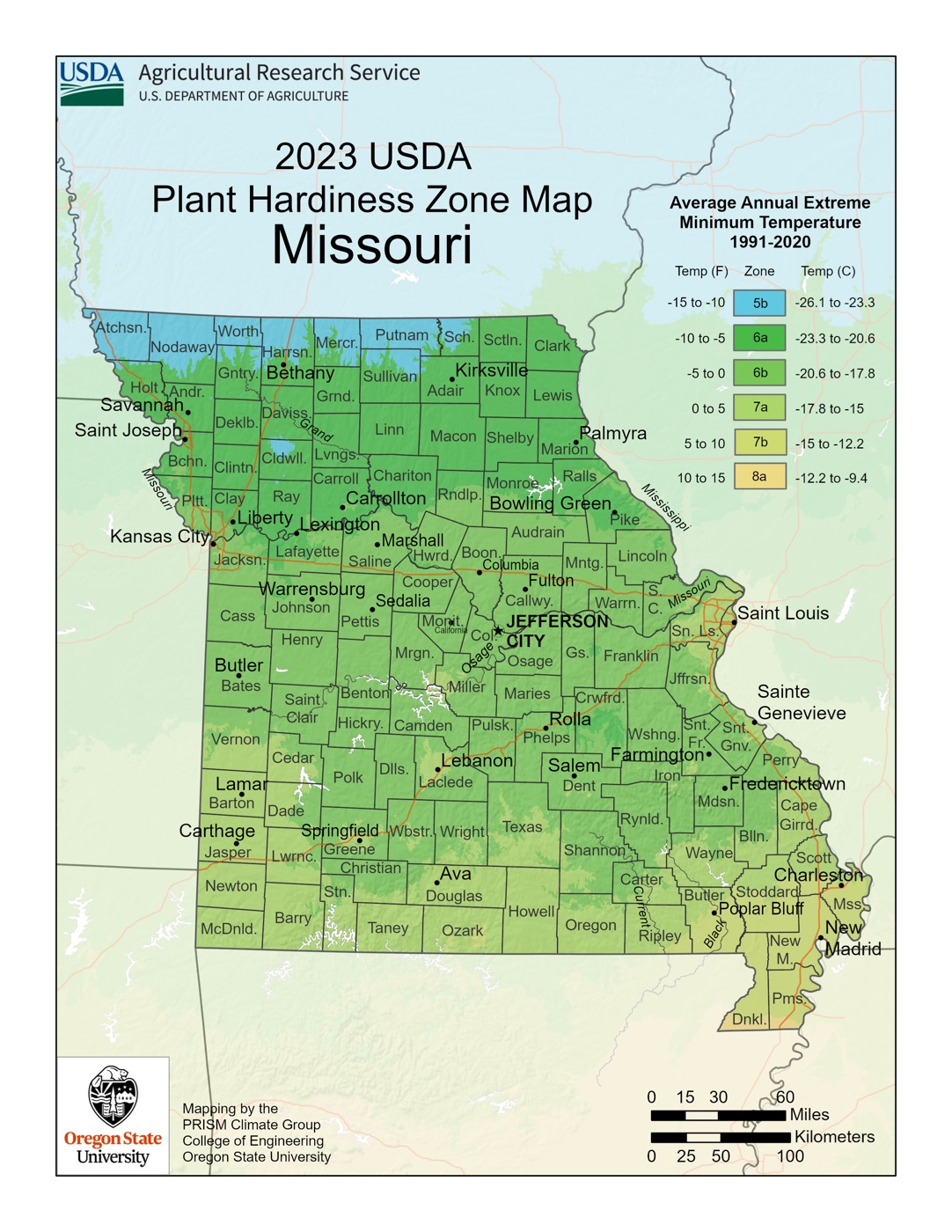 Missouri zone map (full size, opens in a new tab)
-
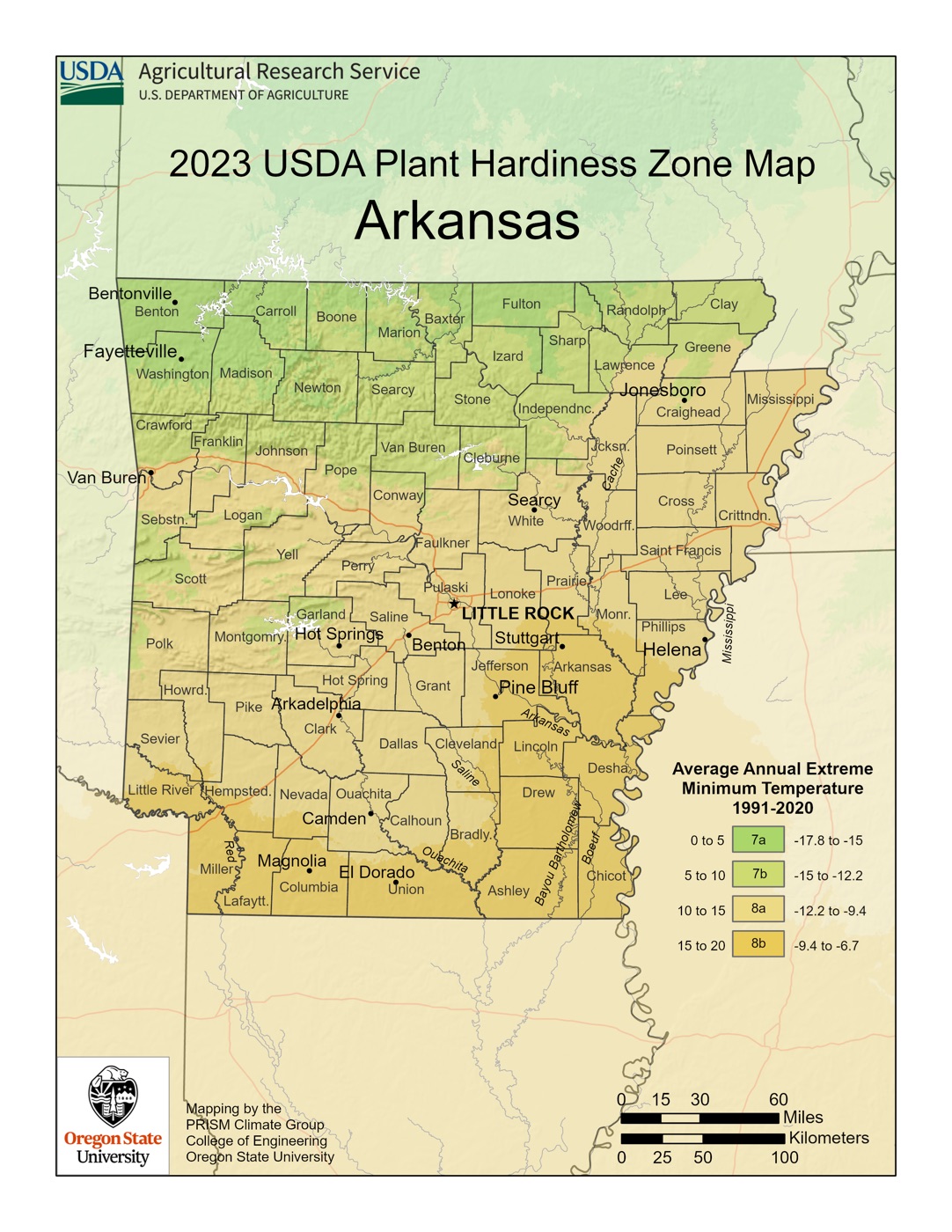 Arkansas zone map (full size, opens in a new tab)
-
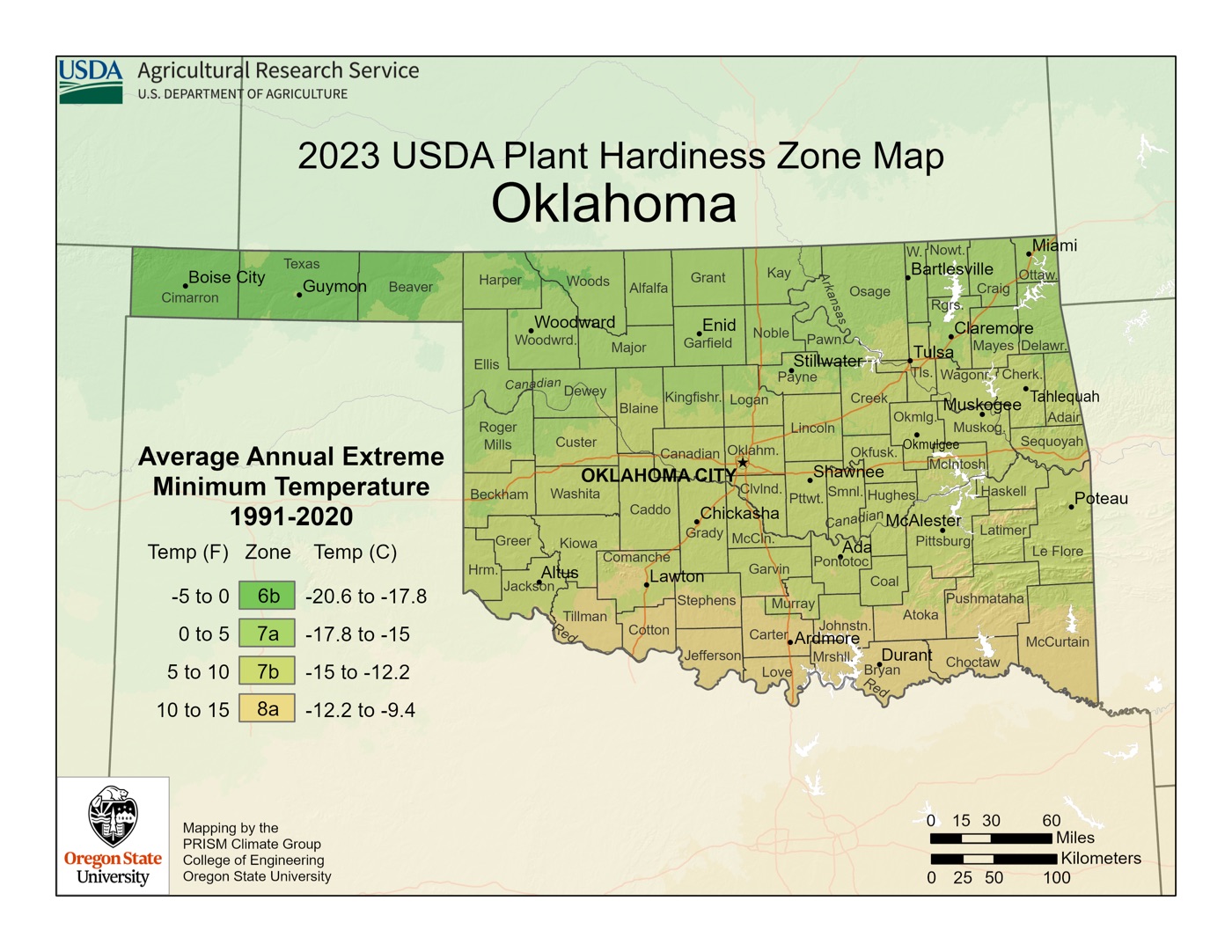 Oklahoma zone map (full size, opens in a new tab)
-
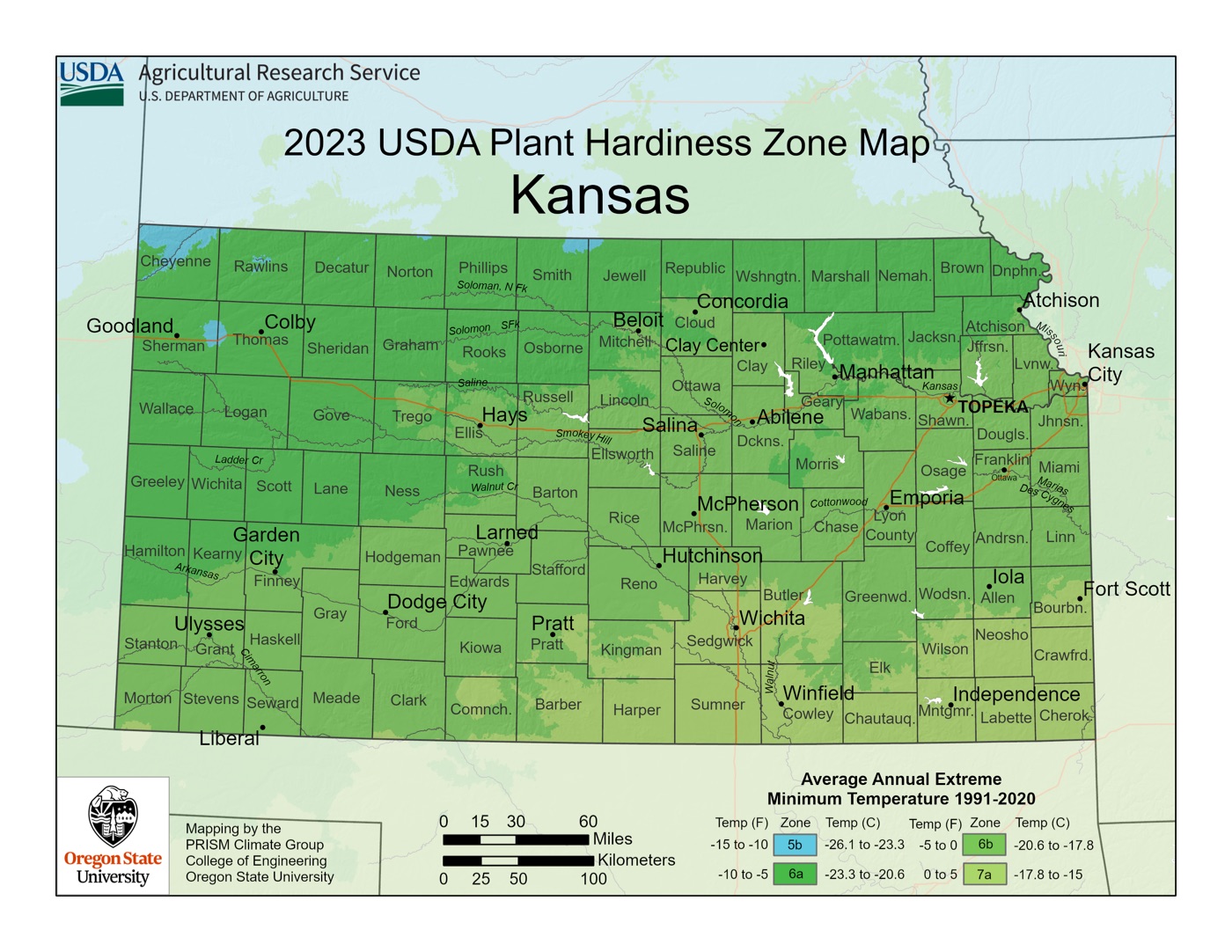 Kansas zone map (full size, opens in a new tab)
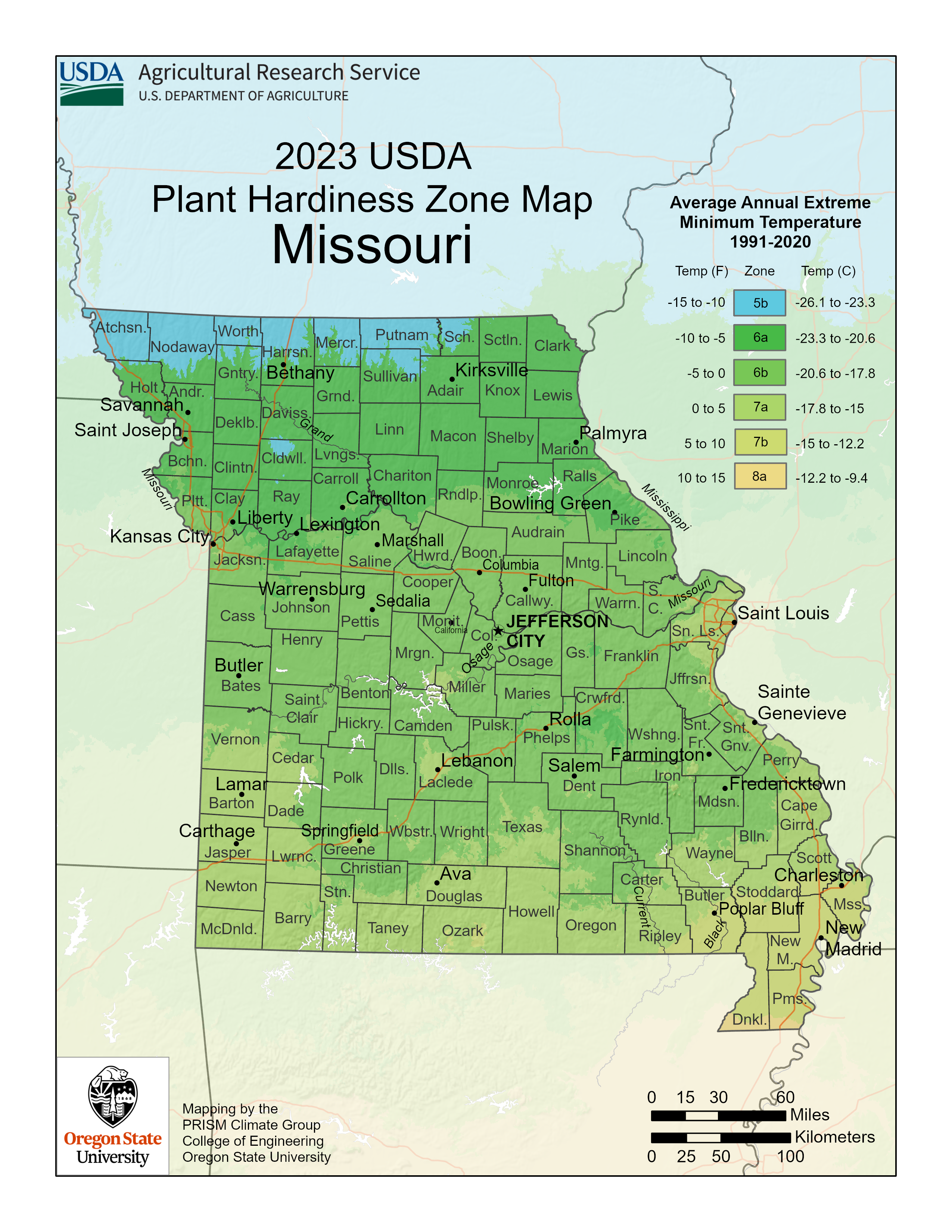
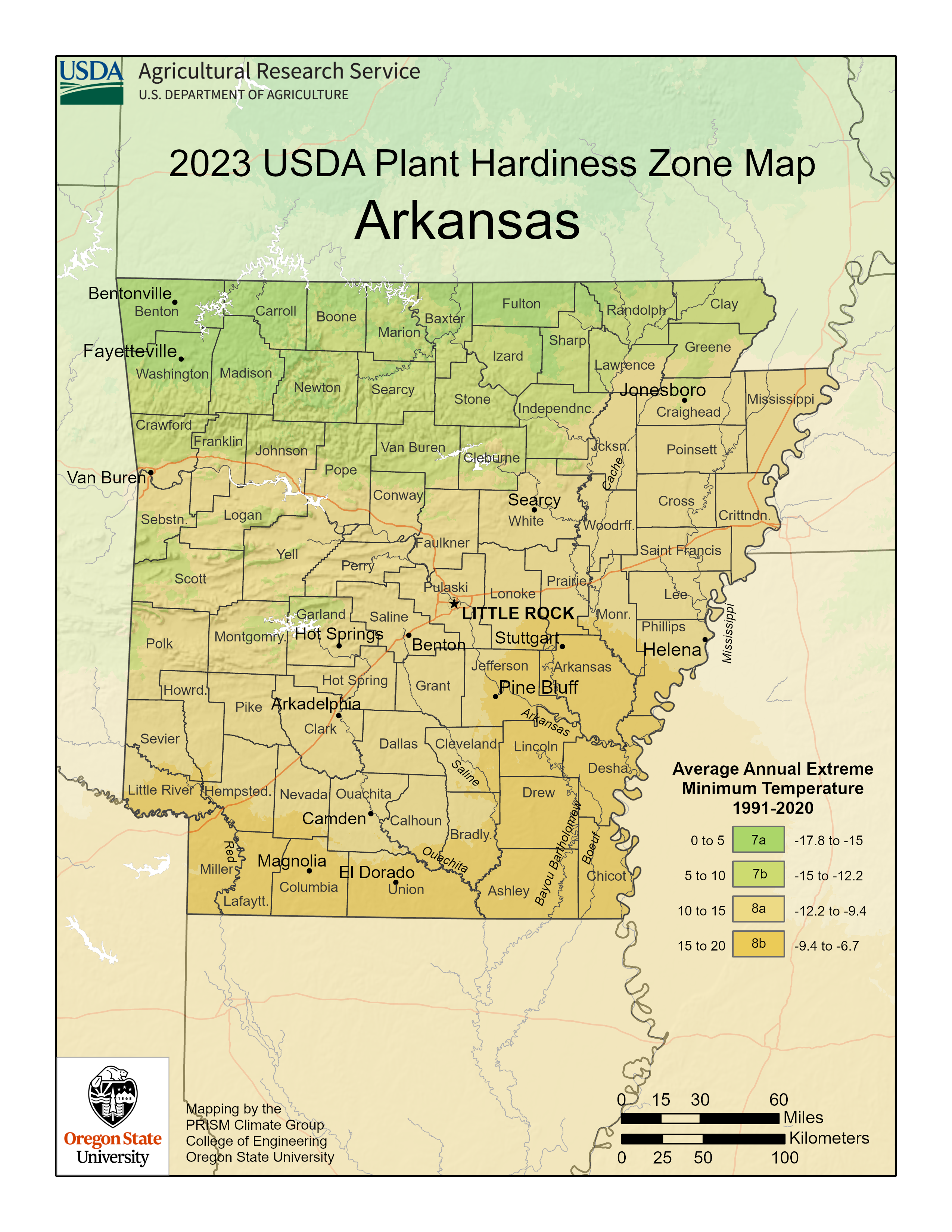
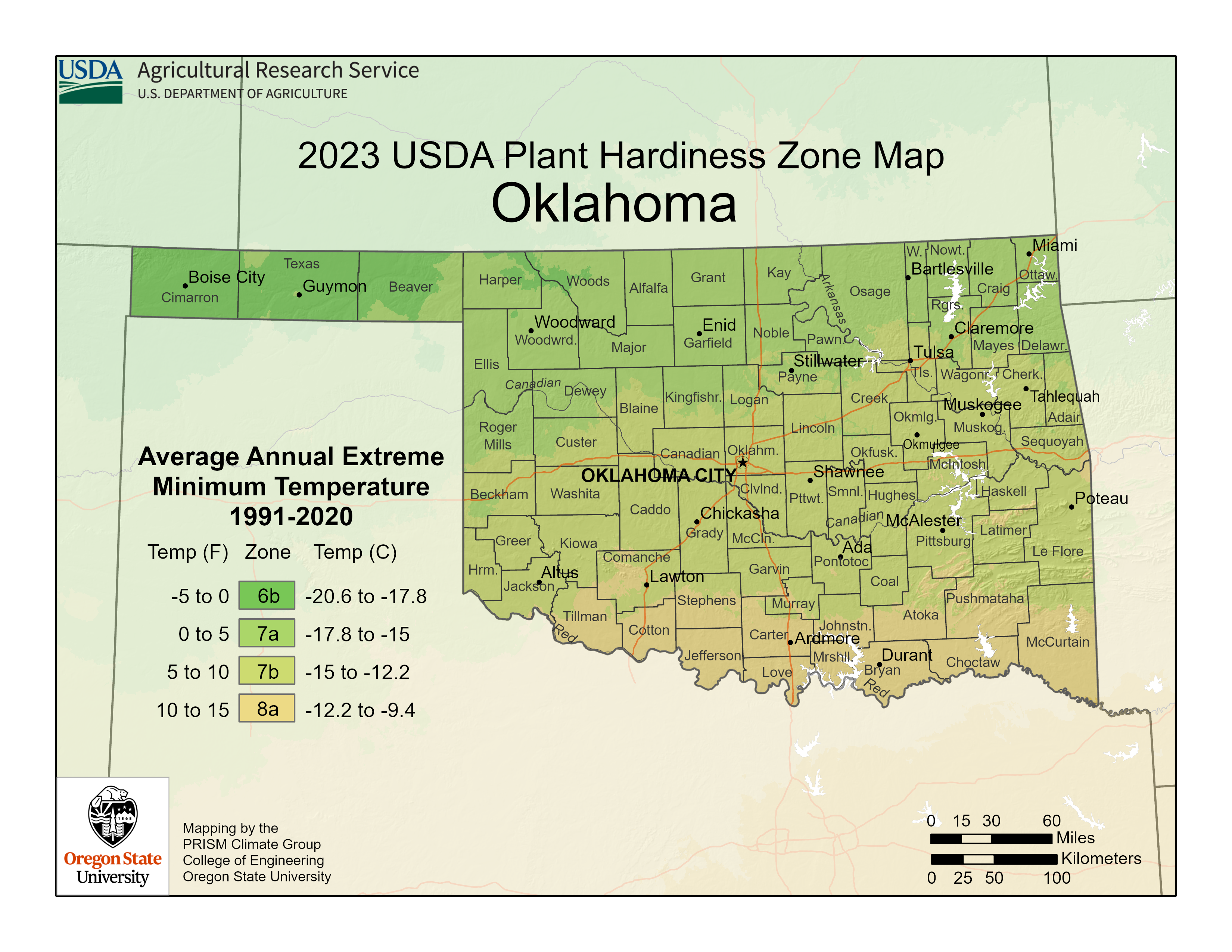
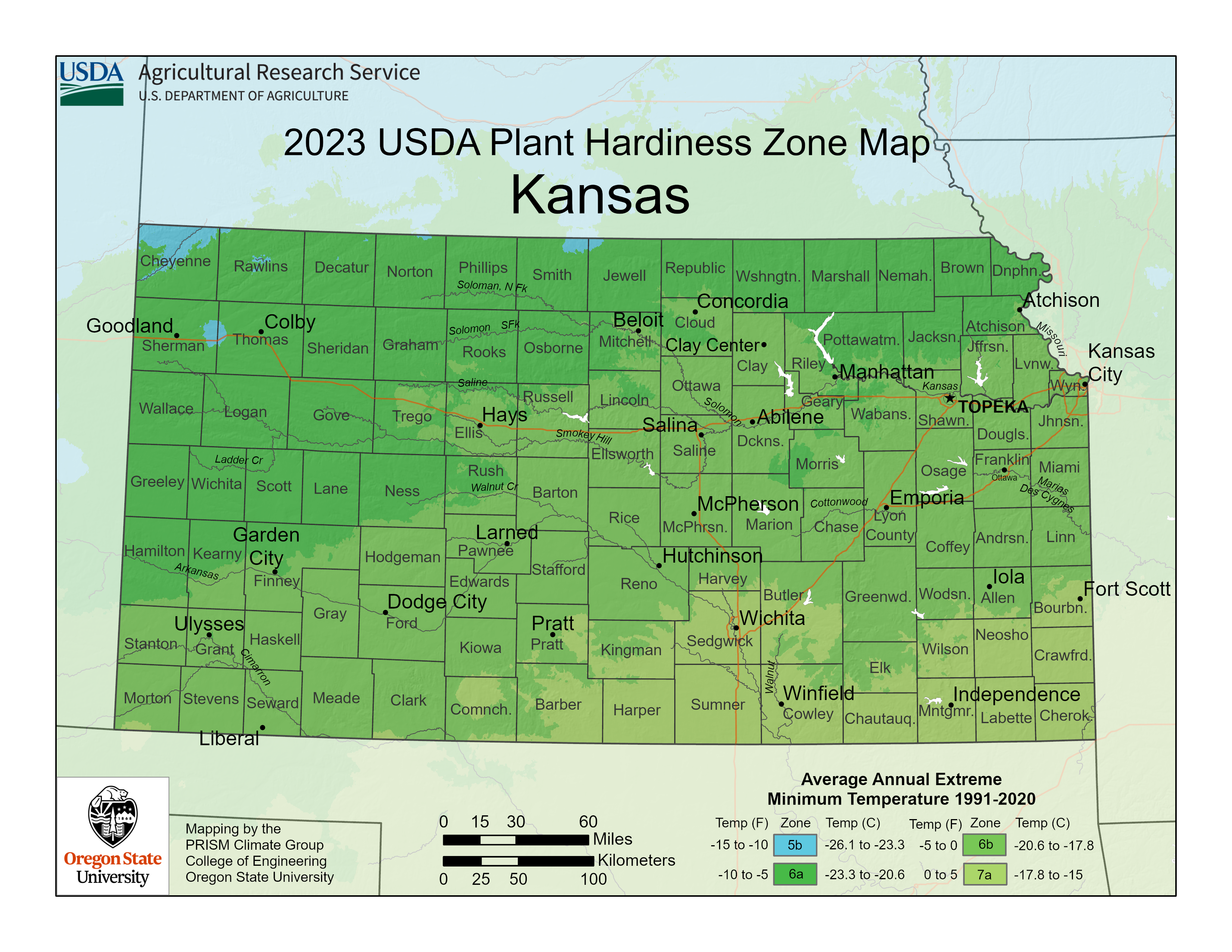
Official 2023 USDA Plant Hardiness Zone Maps. Tap a map to open it full size.
Maps: USDA Agricultural Research Service, with mapping by the PRISM Climate Group, Oregon State University.
Plant Patent
Not patented. This is the straight species, not a named variety, so there are no restrictions on growing it from seed or division.
About the Jack-in-the-Pulpit
Jack-in-the-pulpit is a native wildflower found in moist woods all over Missouri. Its name comes from the flower: an upright club (the “jack”) standing inside a striped, hooded leaf-like sheath (the “pulpit”). After the hood withers, a cluster of berries ripens from green to bright red.
A single plant can have male flowers, female flowers, or both, and plants are reported to switch from year to year. Native Americans dried the corms and ground them into flour, but only after processing them. The raw plant is poisonous.
Choosing a Spot
- Shade. Part shade to full shade.
- Rich, moist soil. It needs soil that stays moist and is high in organic matter. It does poorly in heavy clay and dry ground.
- Mark the spot. Plants often die back by midsummer, so it’s easy to dig into them by mistake later in the year.
- Think about children and pets. The bright red berries and every other part of the plant are poisonous. Keep that in mind if small children or pets use the area.
Planting
Plant the corm 3 to 4 inches deep in shady, moist, well-drained soil rich in organic matter. Water it in and keep the soil moist. Spring is the time to divide existing plants.
Watering
Keep the soil constantly moist. Water during dry spells.
Mulch and Fertilizer
The sources we checked don’t call for fertilizer. What this plant needs most is soil rich in organic matter that stays moist.
Pruning
No pruning needed. The leaves die back on their own by midsummer as the plant goes dormant. That’s normal.
Common Problems
- Pests and diseases: No significant insect or disease problems are reported.
- “Disappearing” plants: Dying back in midsummer is normal dormancy, not a sign the plant is dead.
- Rot: Some kinds of Arisaema rot in soil that stays wet through the winter. Avoid spots where water stands in winter.
Good for Wildlife
Songbirds and eastern box turtles eat the berries. Flies and gnats pollinate the flowers. Deer tend to leave the leaves alone.
Propagation
Divide plants in spring, or plant seeds in spring or fall. Plants also spread by small offset corms. Plants grown from seed take about five years to bloom.
Availability
Currently out of stock until Spring 2027.
Our nursery stock changes through the season. Contact us to check what we have on hand, current sizes, and pricing.
Sources
Growing information on this page was checked against these public references:
- Arisaema triphyllum (North Carolina Extension Gardener Plant Toolbox) (opens in a new tab)
- Arisaema, Jack-in-the-Pulpit (North Carolina Extension Gardener Plant Toolbox) (opens in a new tab)
- Jack-in-the-Pulpit Field Guide (Missouri Department of Conservation) (opens in a new tab)
- Jack-in-the-Pulpit (ASPCA Toxic and Non-Toxic Plants) (opens in a new tab)
Disclaimer: The information on this page is based on publicly available knowledge and research. Individual results may vary.