Greenhouse & Nursery
Opening to the public in Spring 2027.
We're adding a greenhouse and nursery to the farm. Stock will be limited and change through the season. Contact us with any questions.
Perennials
-
Black-Eyed Susan
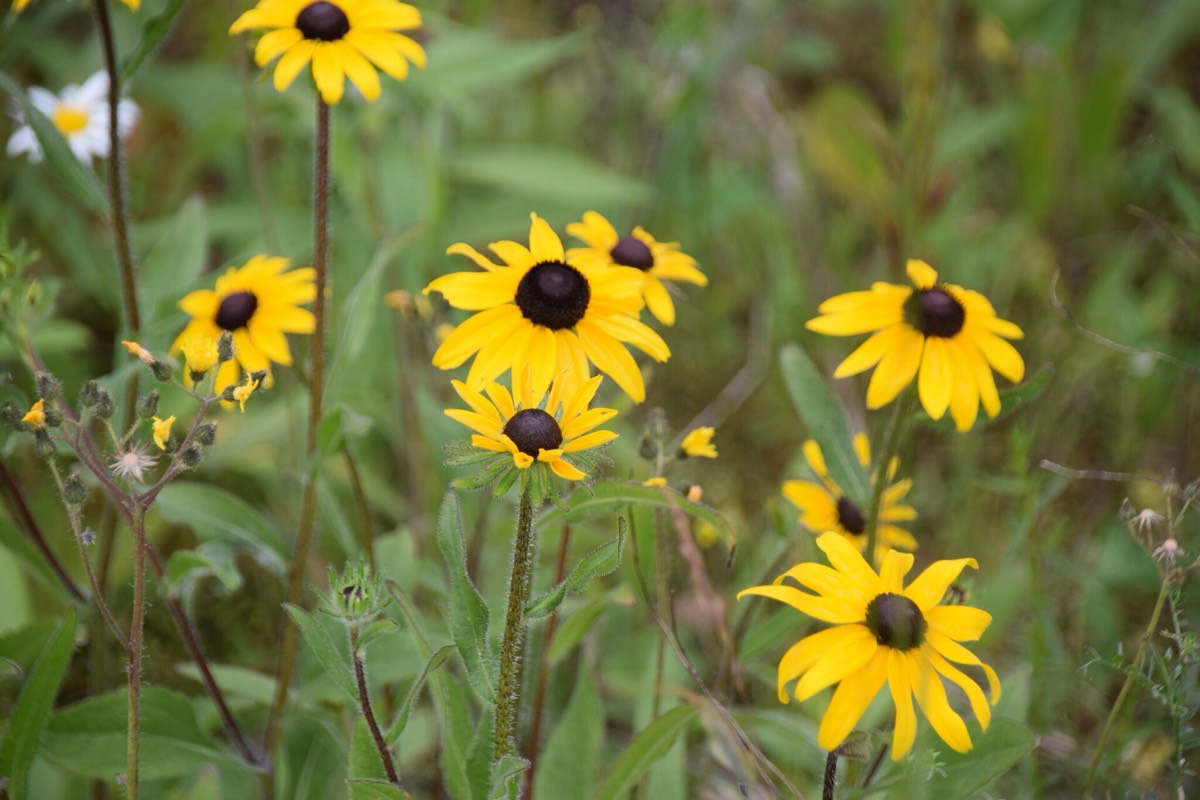
Rudbeckia hirta
Black-eyed Susan is a native wildflower with golden-yellow petals around a dark brown center, blooming from summer into fall. It's short-lived, but it reseeds freely, so it usually stays in the garden. Goldfinches eat the seeds.
- Height
- 2 to 4 feet
- Zones
- 3 to 8
- Sun
- Full sun to part shade
-
Blue Flag Iris
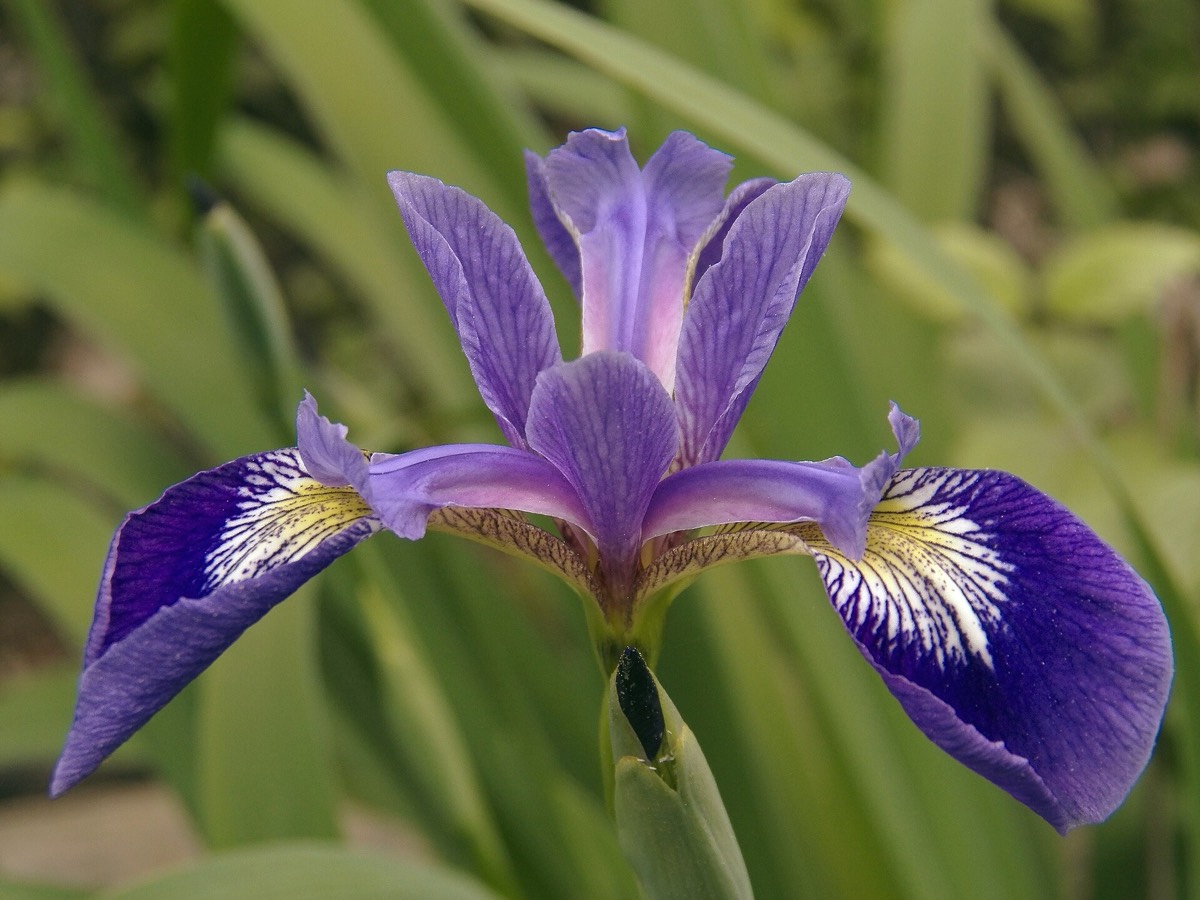
Iris versicolor
Blue flag iris is a native iris for wet places, with purple-blue flowers in May and June. It grows in rain gardens, pond edges, and even a few inches of standing water. The roots are poisonous if eaten.
- Height
- 2 to 3 feet
- Zones
- 3 to 9
- Sun
- Full sun for the best flowers
-
Christmas Fern
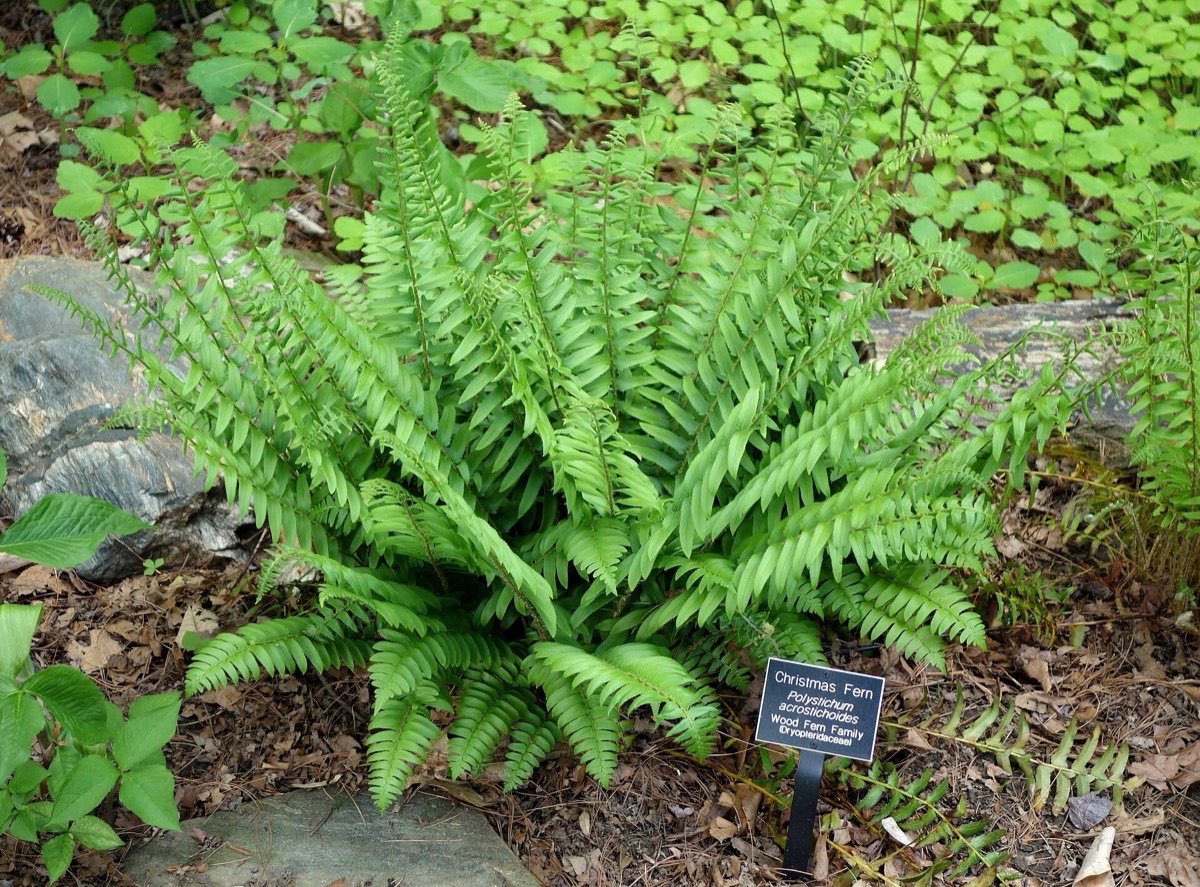
Polystichum acrostichoides
Christmas fern is a native evergreen fern that stays green all winter. It's one of the most common ferns in Missouri's woods, grows in dry to moist shade, and handles drought and deer once established.
- Height
- 1 to 3 feet
- Zones
- 3 to 9
- Sun
- Part shade to deep shade
-
Dutchman's Breeches
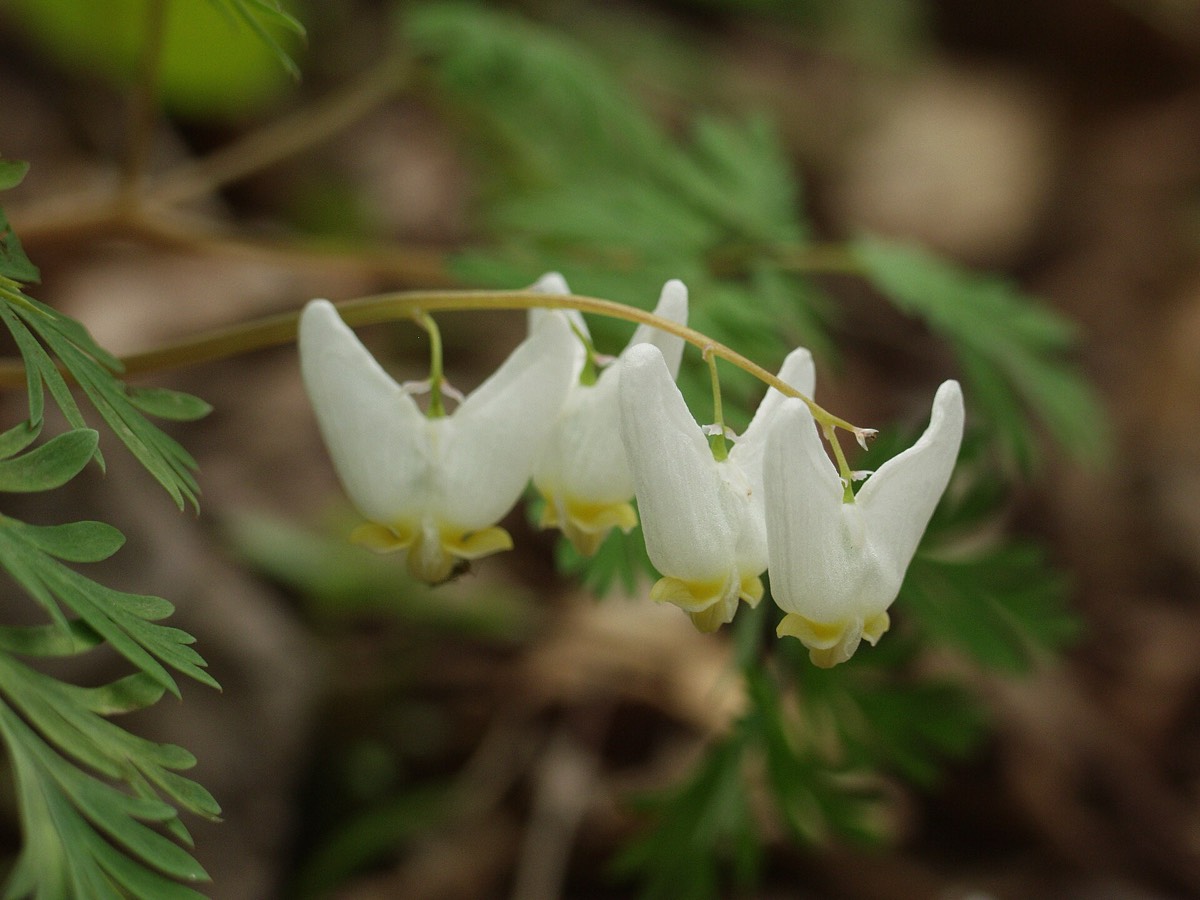
Dicentra cucullaria
Dutchman's breeches is a small native spring wildflower with white flowers shaped like upside-down pants and lacy blue-green leaves. It blooms in March to May, then goes dormant by summer. It's poisonous if eaten.
- Height
- 3 to 12 inches
- Zones
- 3 to 7
- Sun
- Part shade or dappled light
-
Indian Pink
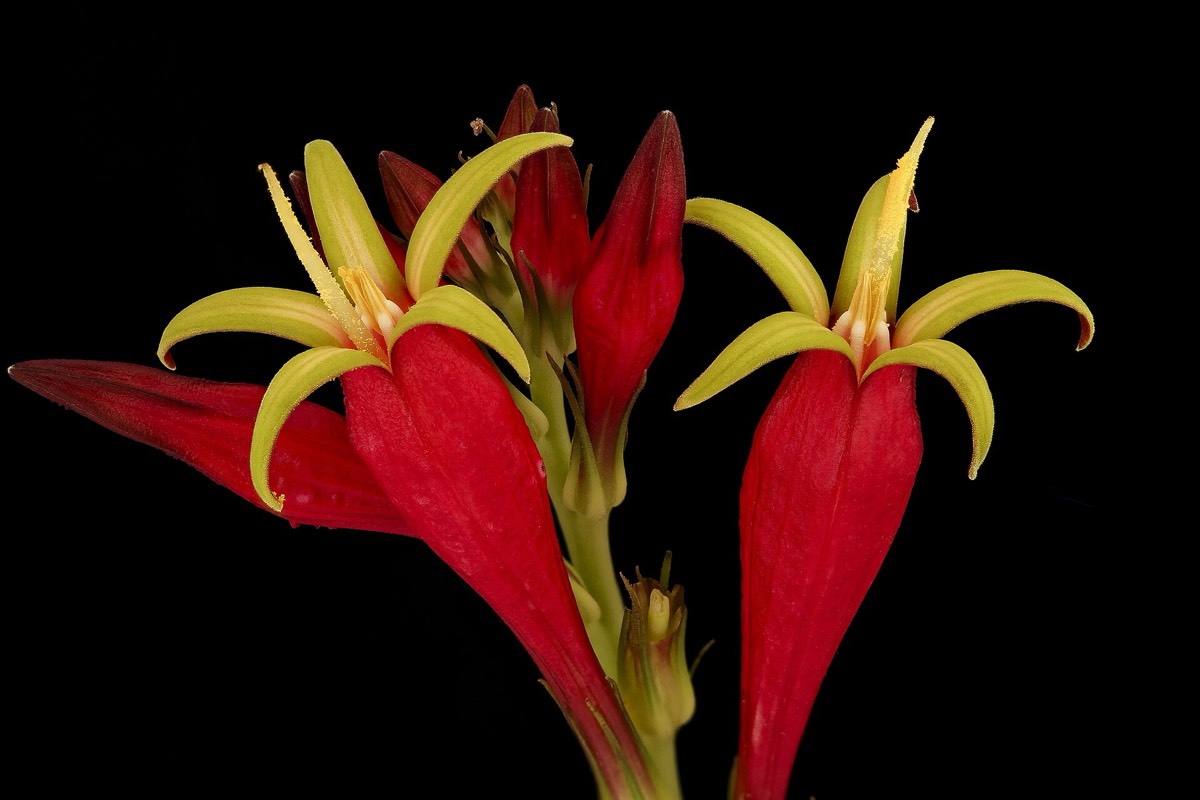
Spigelia marilandica
Indian pink is a native woodland wildflower with upright red and yellow tubular flowers in late spring and early summer. Hummingbirds visit the flowers. It grows in part to full shade in moist, rich soil. All parts are poisonous if eaten.
- Height
- 1 to 2 feet, sometimes 3 feet
- Zones
- 5 to 9
- Sun
- Part shade to full shade
-
Jack-in-the-Pulpit
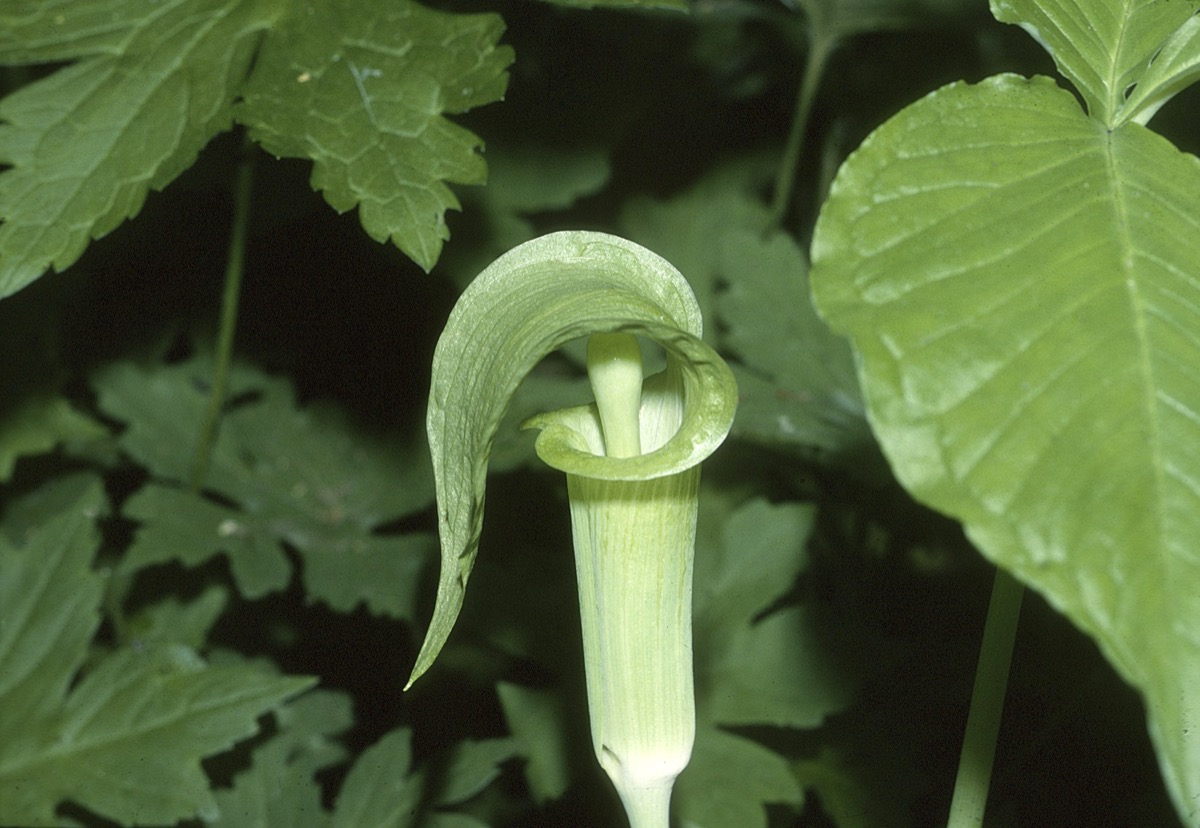
Arisaema triphyllum
Jack-in-the-pulpit is a native woodland wildflower with a striped, hooded flower in spring and a cluster of bright red berries in late summer. It wants shade and rich, constantly moist soil. All parts are poisonous if eaten.
- Height
- 1 to 2 feet, occasionally 2 1/2 feet
- Zones
- 4 to 9
- Sun
- Part shade to full shade
-
Lily of the Valley
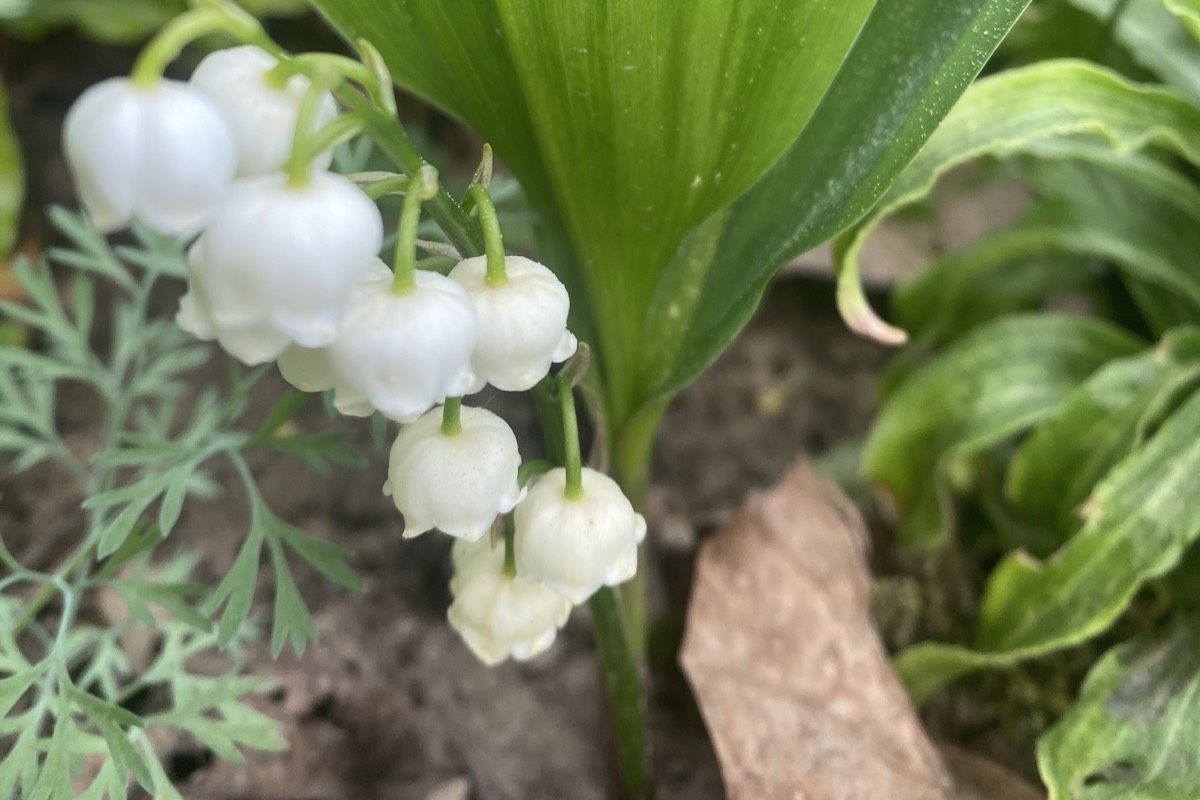
Convallaria majalis
Lily of the valley is a low, spreading ground cover for shade with small, very fragrant white bell-shaped flowers in spring. It spreads by roots and can take over, and it's reported as invasive in some states. All parts are poisonous.
- Height
- 6 to 12 inches
- Zones
- 3 to 7
- Sun
- Part shade to full shade
-
Orange Daylily
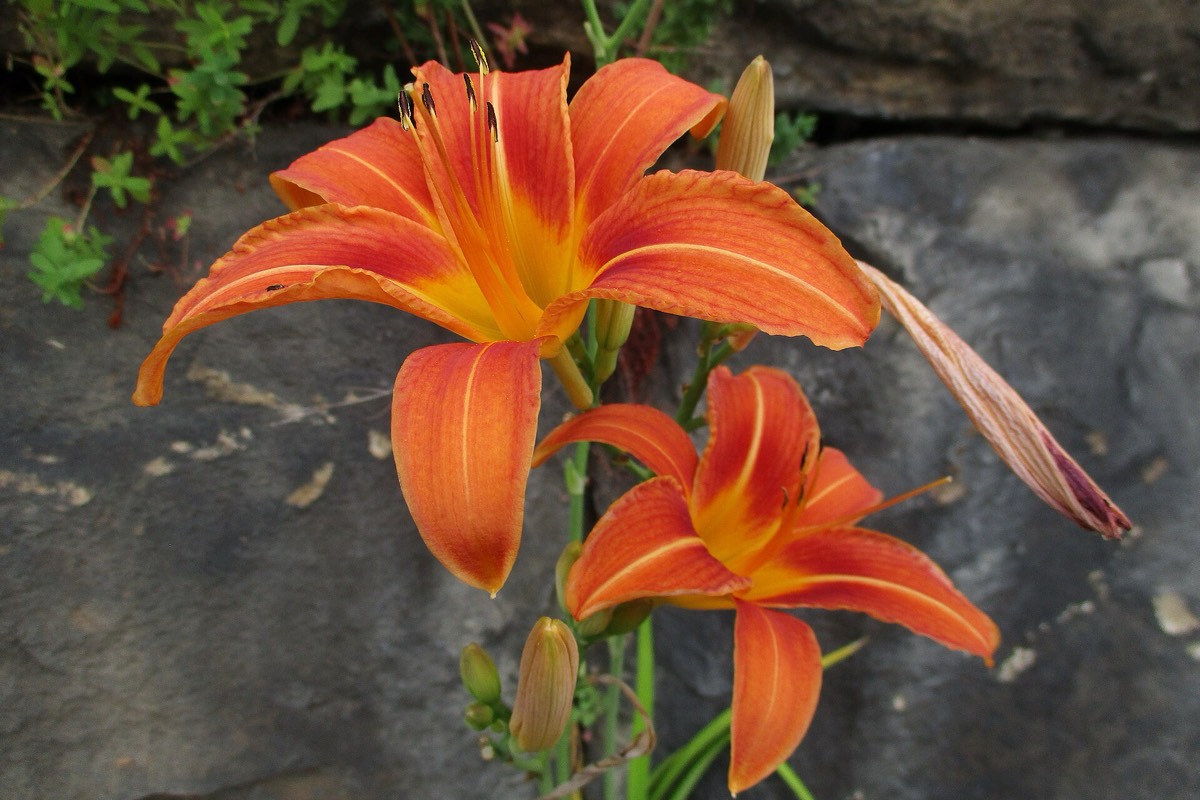
Hemerocallis fulva
Orange daylily is a tough, easy plant with orange, trumpet-shaped flowers in summer, each lasting one day. It spreads by roots into dense clumps and can crowd out other plants. Every part of it is highly toxic to cats.
- Height
- About 3 feet in flower
- Zones
- 3 to 8
- Sun
- Full sun to part shade
-
Ostrich Fern
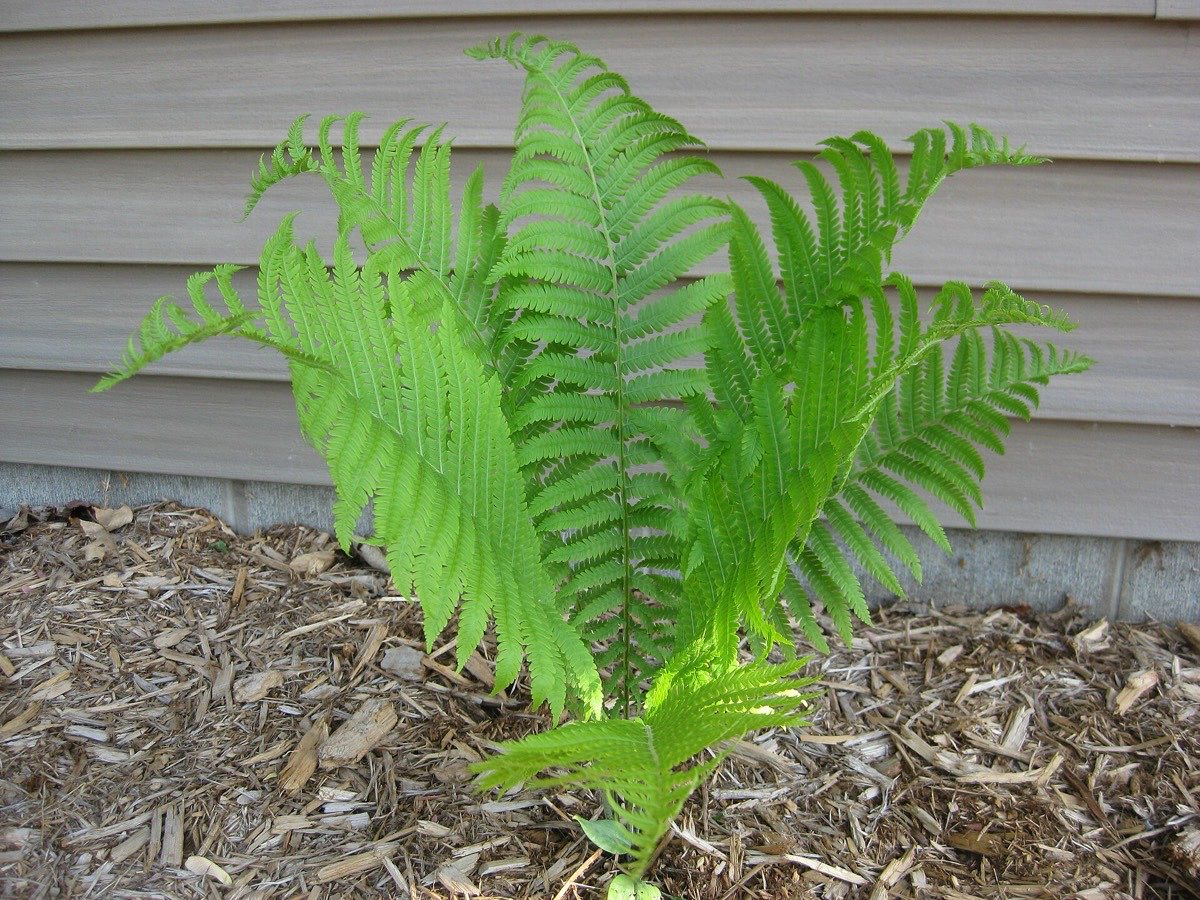
Matteuccia struthiopteris
Ostrich fern is a tall fern with plume-like fronds up to 5 feet tall. It needs shade and constant moisture, especially in warm climates, and it spreads into colonies. Its young fiddleheads are edible only when fully cooked.
- Height
- 3 to 5 feet
- Zones
- 3 to 8
- Sun
- Part shade to full shade
-
Solomon's Seal
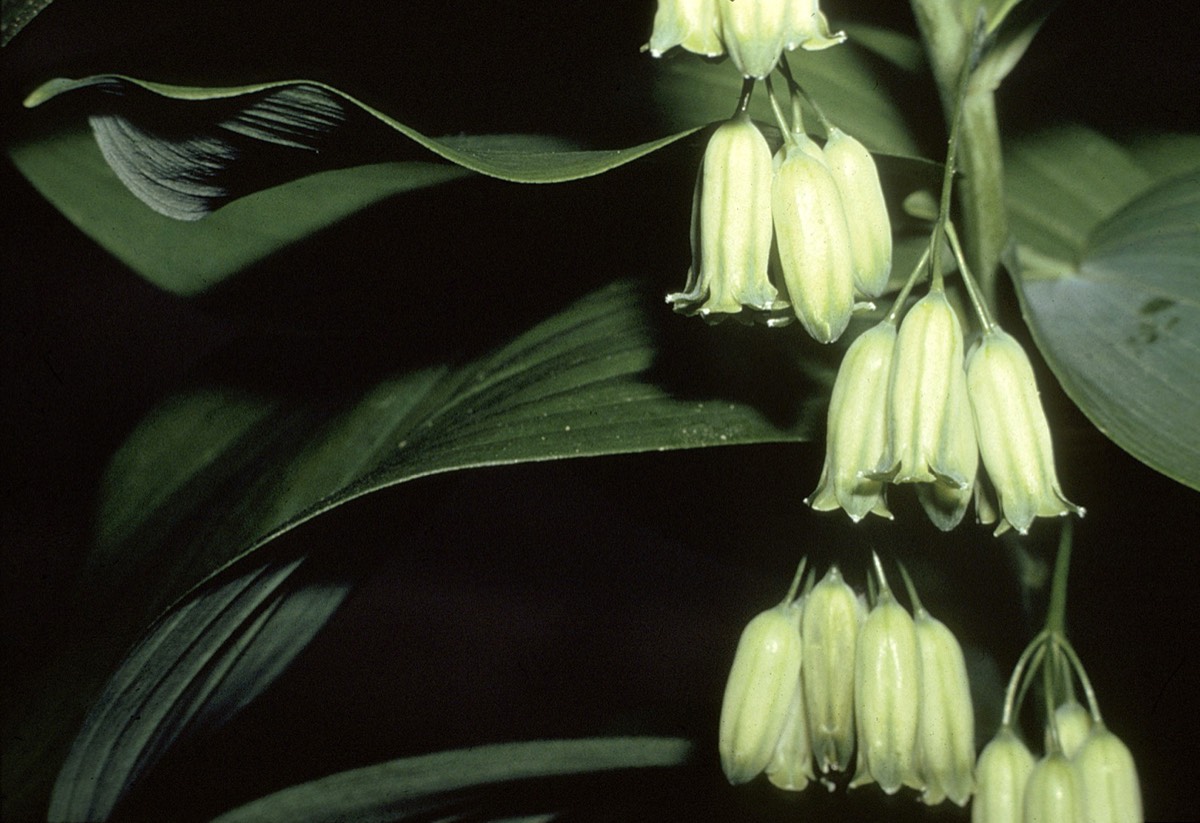
Polygonatum biflorum
Solomon's seal is a native woodland plant with tall, arching stems and small greenish-white bells hanging beneath the leaves in spring, followed by blue-black berries. It grows wild across Missouri and slowly spreads in shade.
- Height
- Usually about 3 feet
- Zones
- 3 to 9
- Sun
- Part shade to full shade
-
White Baneberry
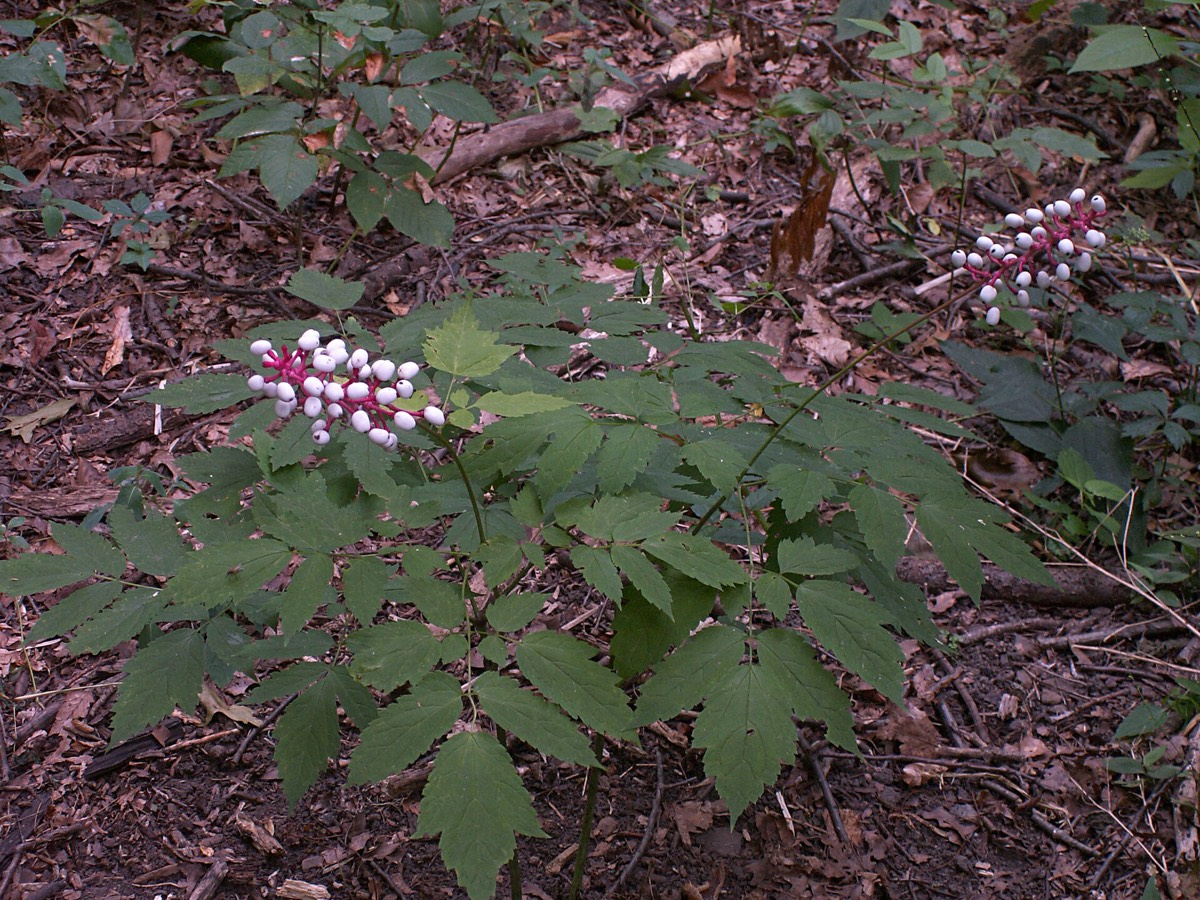
Actaea pachypoda
White baneberry, or doll's eyes, is a native woodland plant with white flowers in spring and striking white berries with a black dot on thick red stalks in fall. The berries and roots are highly poisonous and can be deadly. Don't plant it where young children play.
- Height
- 1 to 3 feet
- Zones
- 3 to 8
- Sun
- Part shade to full shade
-
Yellow Trillium
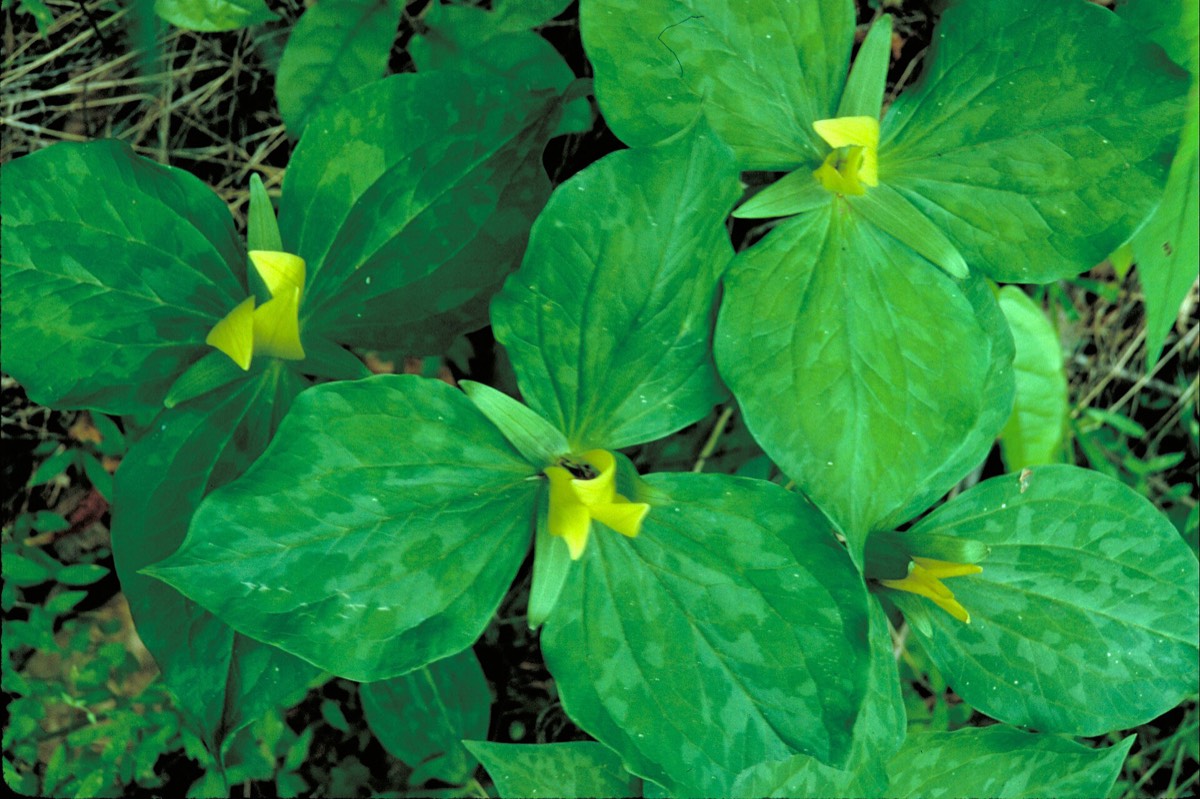
Trillium luteum
Yellow trillium is a woodland wildflower from the Smoky Mountains region with a single upright yellow flower above three leaves in spring. The flower has a lemony scent. It grows slowly in shade and moist, rich soil.
- Height
- 8 to 18 inches
- Zones
- 4 to 8
- Sun
- Part shade to full shade
Trees
-
Sourwood
Oxydendrum arboreum
Sourwood is a slow-growing small tree with drooping sprays of white flowers in early summer and red fall color. Bees make a well-known honey from it. It needs acidic, moist, well-drained soil.
- Height
- 20 to 30 feet
- Zones
- 5 to 9
- Sun
- Full sun to part shade
-
Sugar Maple
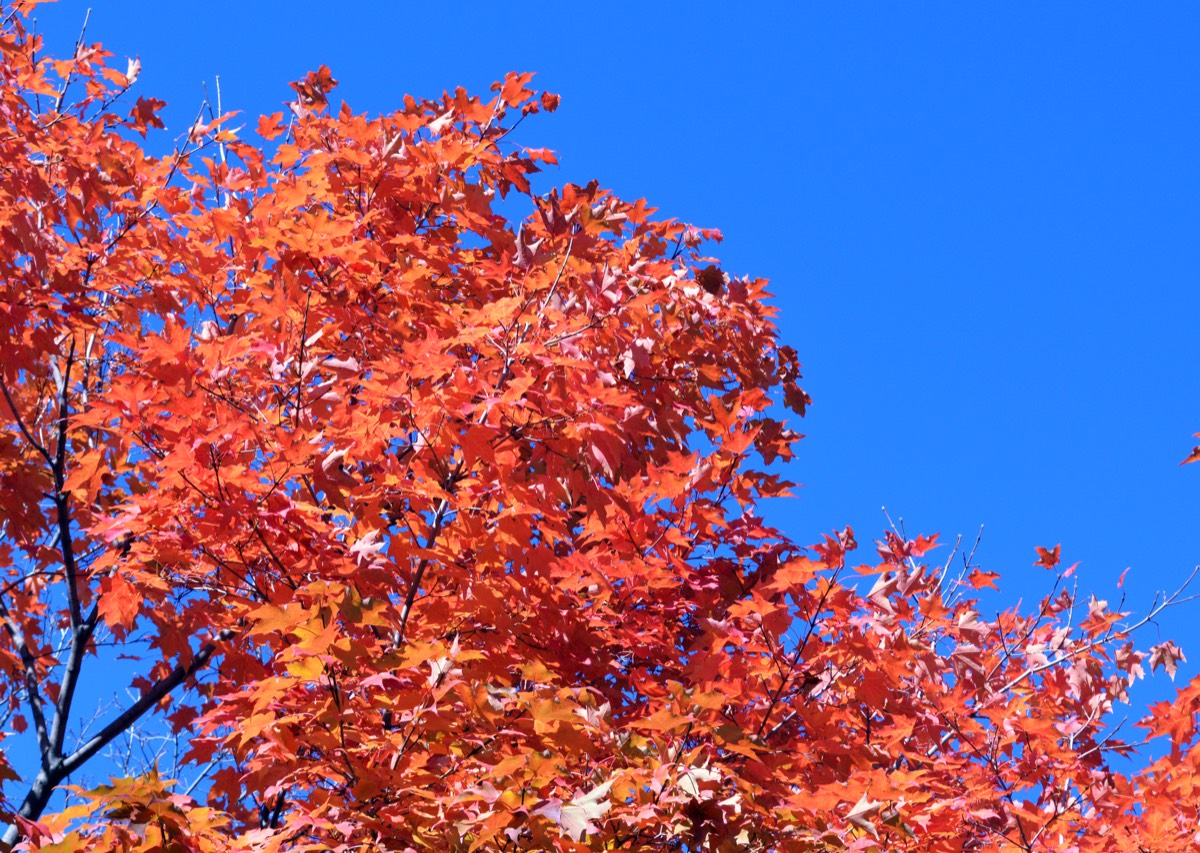
Acer saccharum
Sugar maple is a big, long-lived shade tree that grows wild across Missouri. It's known for its fall color and as the source of real maple syrup. It grows slowly and wants room, deep soil, and steady moisture.
- Height
- 60 to 75 feet in a yard
- Zones
- 3 to 8
- Sun
- Full sun to part shade
-
Tulip Poplar
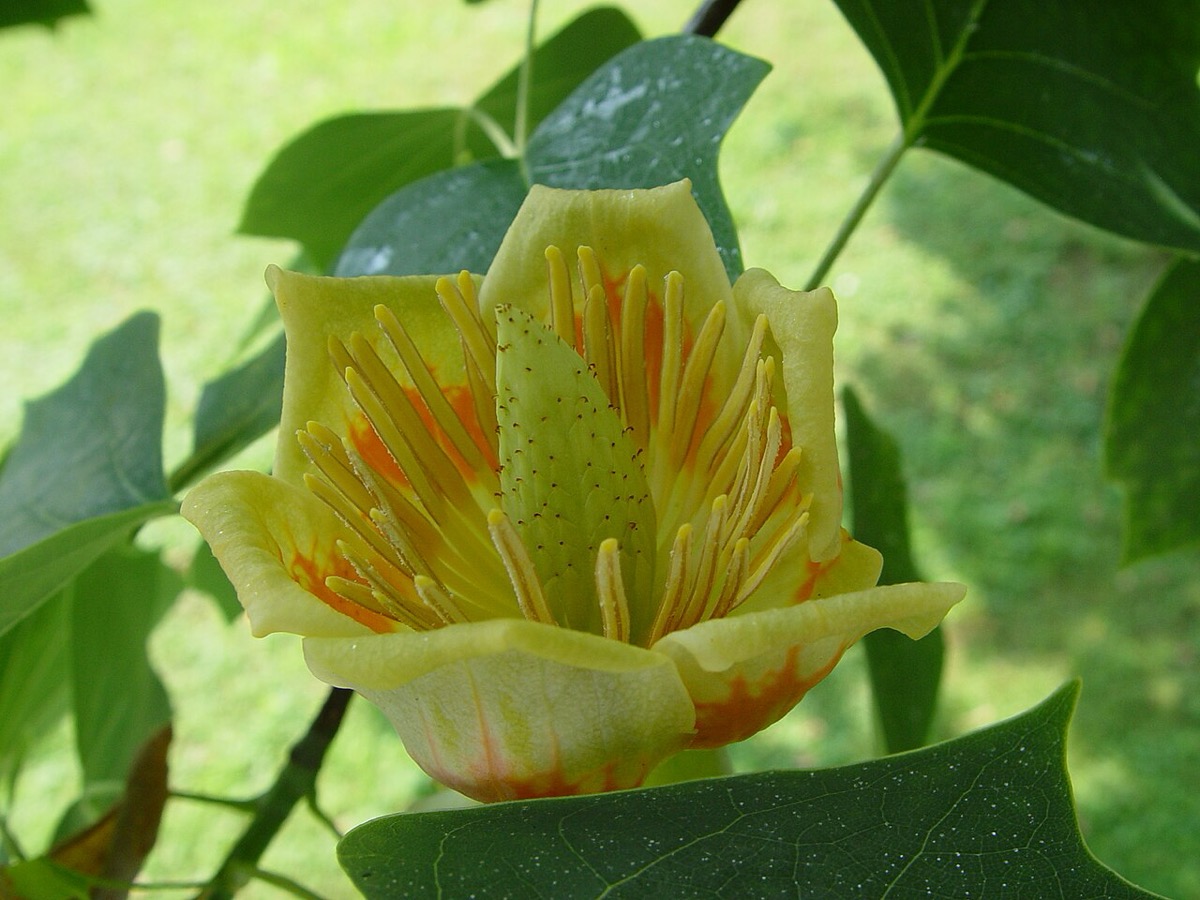
Liriodendron tulipifera
Tulip poplar is a tall, fast-growing shade tree with tulip-shaped yellow and orange flowers in late spring and golden fall color. It needs a big yard, full sun, and deep, moist soil.
- Height
- 60 to 90 feet in a yard
- Zones
- 4 to 9
- Sun
- Full sun
Shrubs
-
Black Chokeberry
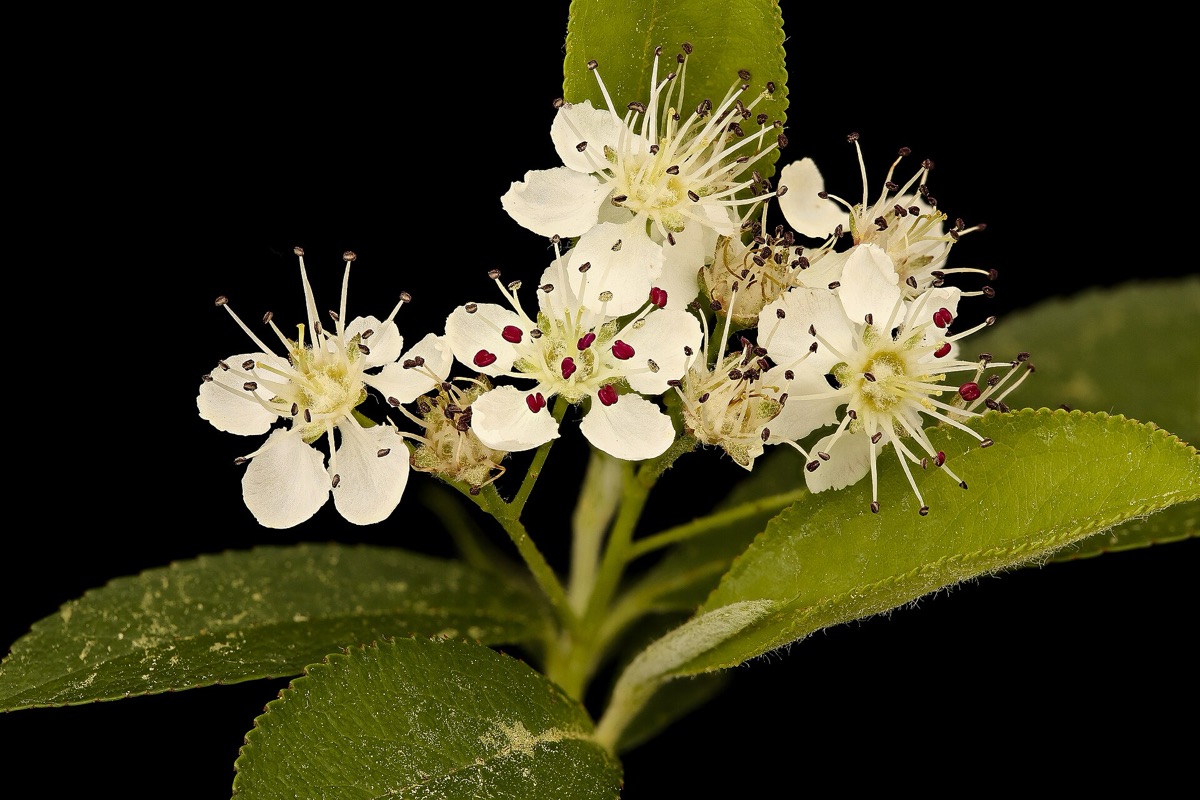
Aronia melanocarpa
Black chokeberry is a tough native shrub with white spring flowers, glossy black berries, and deep red fall color. It grows in wet or dry soil and spreads by suckers. The berries are edible but very tart.
- Height
- 3 to 8 feet, sometimes to 10 feet
- Zones
- 3 to 8
- Sun
- Full sun to part shade
-
Blackhaw Viburnum
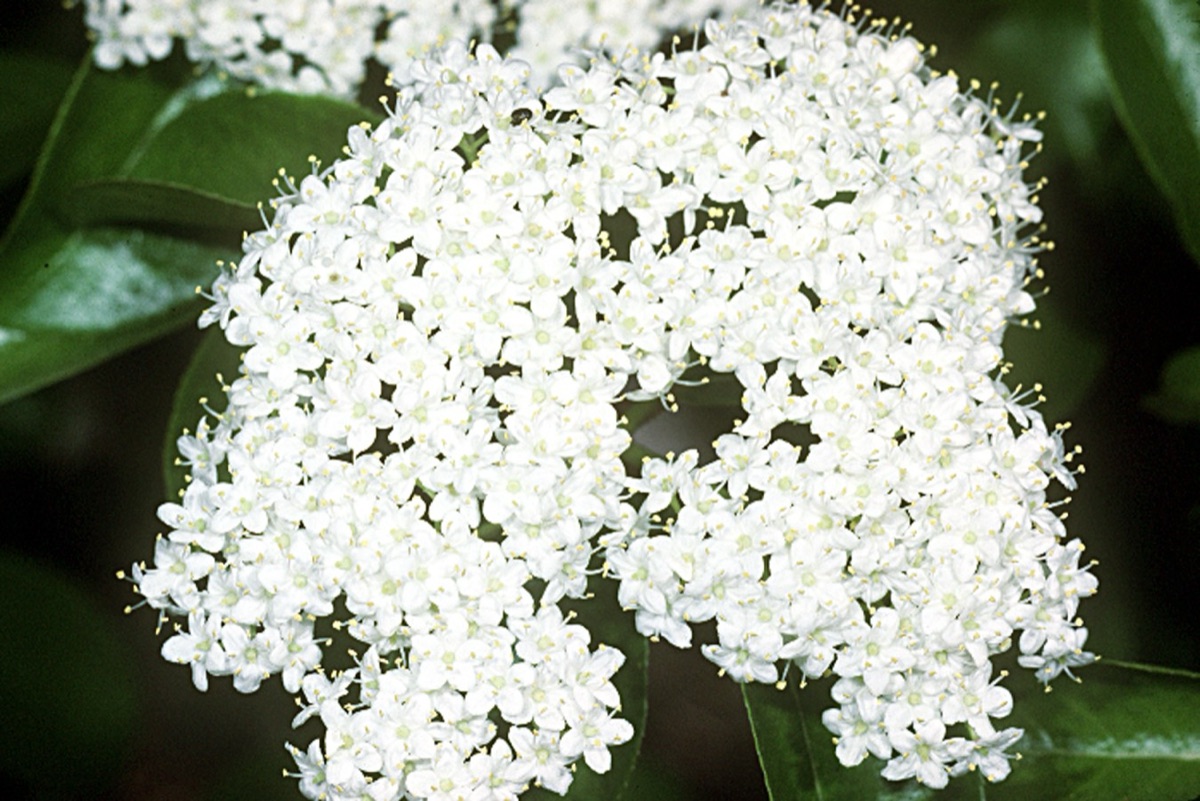
Viburnum prunifolium
Blackhaw is a native shrub or small tree with flat clusters of white flowers in spring, sweet blue-black fruit in fall, and red to purple fall color. It grows in every county in Missouri and handles heat, drought, and most soils.
- Height
- 12 to 15 feet as a shrub
- Zones
- 3 to 9
- Sun
- Full sun to part shade
-
Elderberry
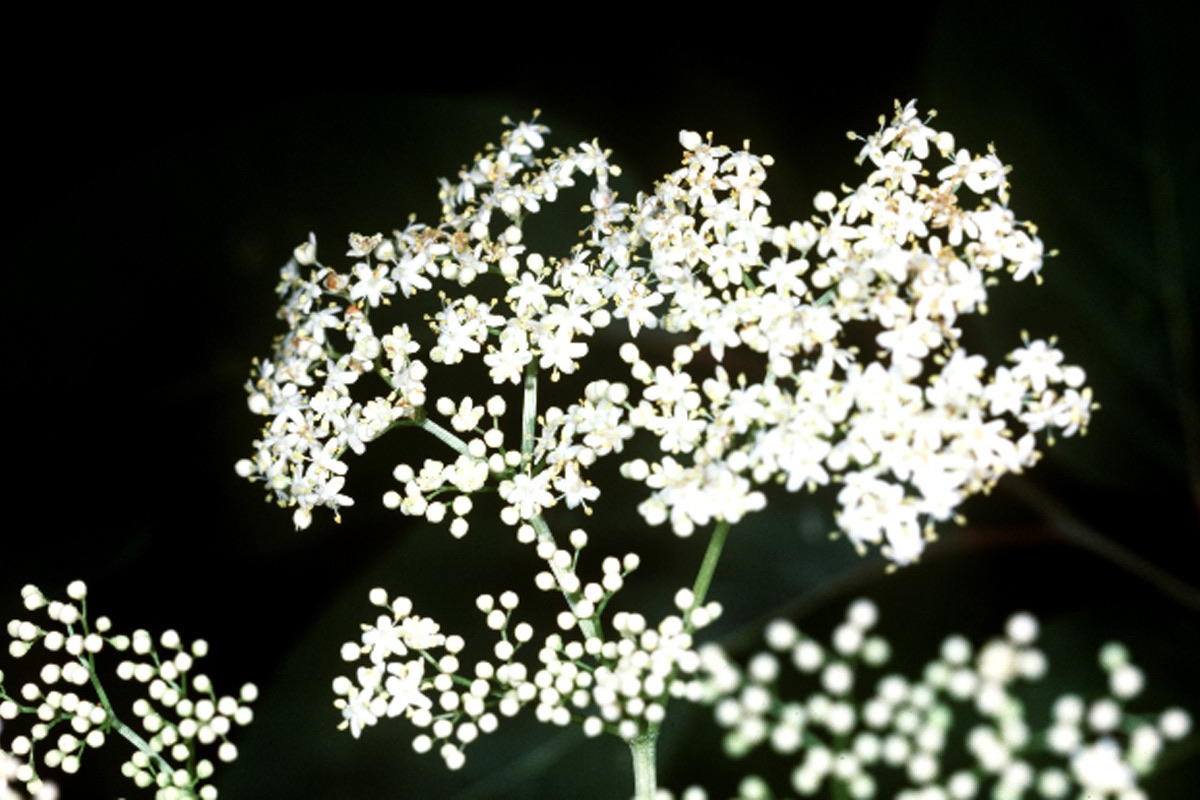
Sambucus canadensis
American elderberry is a native shrub with big, flat clusters of white flowers in June and purple-black berries in late summer. The ripe berries are cooked into jelly, pie, and syrup. It likes sun and steady moisture, and it spreads into a thicket.
- Height
- 5 to 12 feet
- Zones
- 4 to 8
- Sun
- Full sun to part shade
-
Lilac
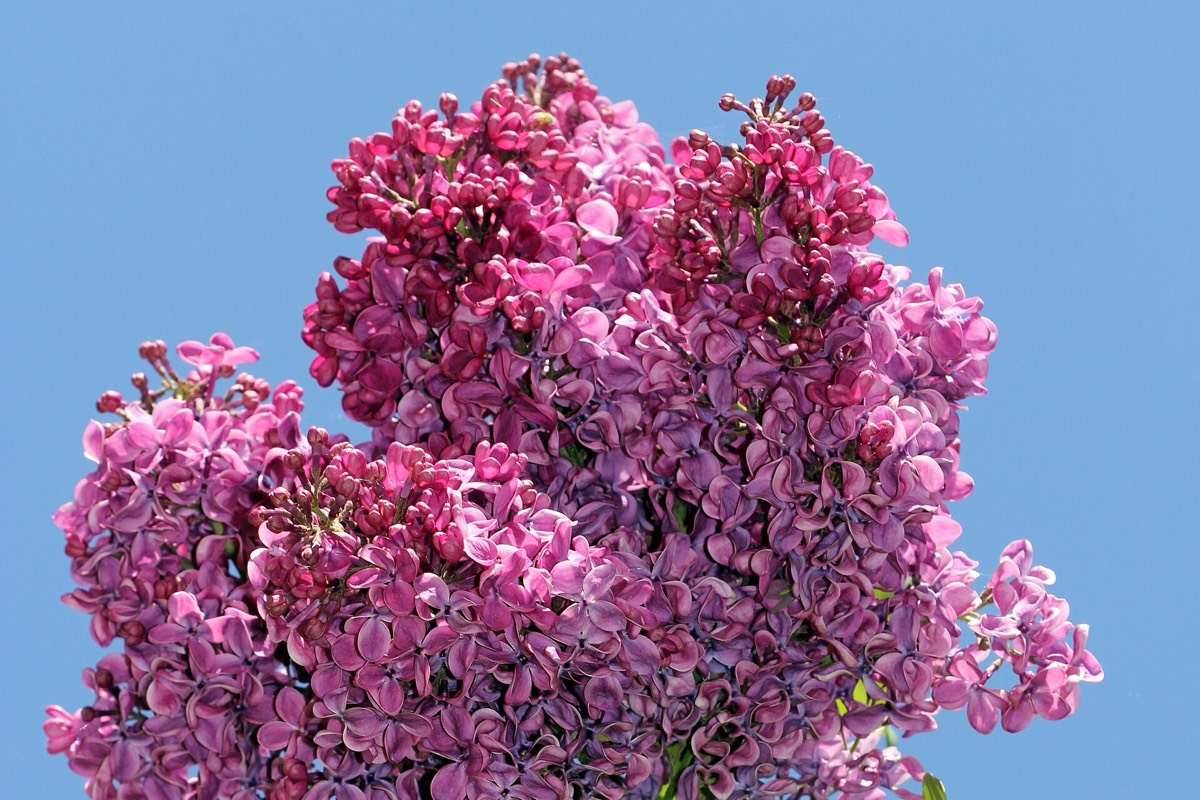
Syringa vulgaris
Common lilac is an old-fashioned shrub with very fragrant clusters of purple flowers in May. It needs full sun, good drainage, and cold winters, so it does best in the cooler parts of our area.
- Height
- 8 to 16 feet
- Zones
- 3 to 7
- Sun
- Full sun
-
Nikko Blue Hydrangea
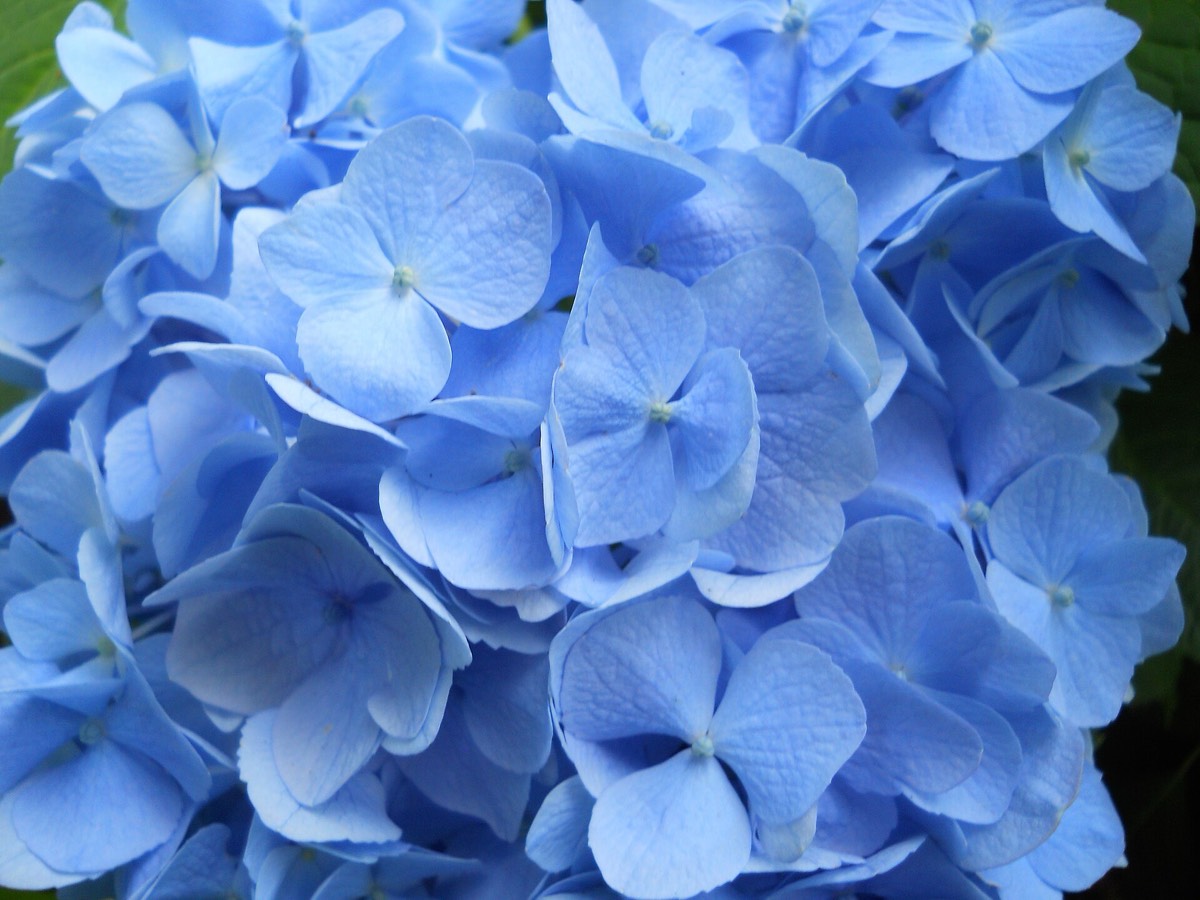
Hydrangea macrophylla 'Nikko Blue'
Nikko Blue is a bigleaf hydrangea with big, round clusters of flowers in late spring and summer. They're blue in acidic soil and pink in alkaline soil. It wants morning sun, afternoon shade, and steady moisture. All parts are mildly poisonous.
- Height
- About 4 feet
- Zones
- 6 to 11
- Sun
- Part shade
-
Pink Crepe Myrtle
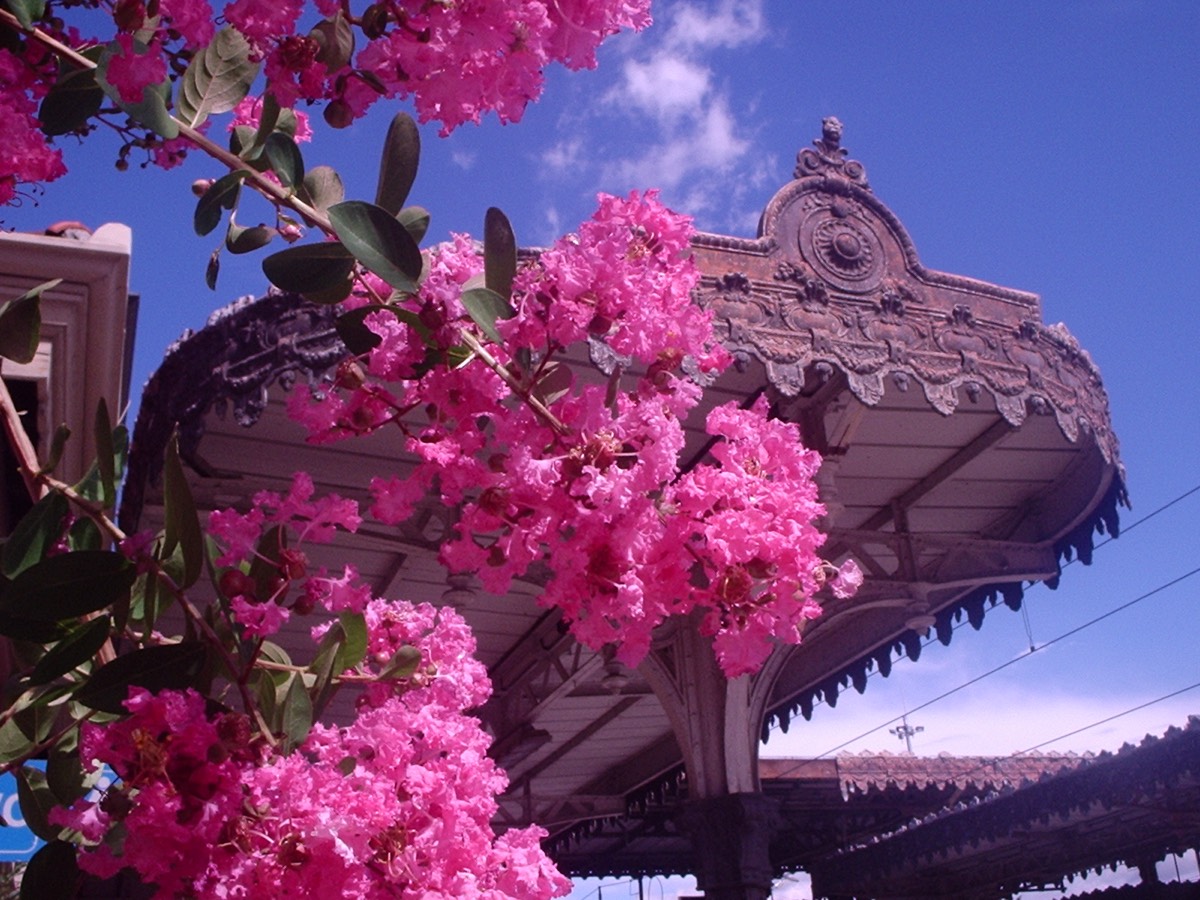
Lagerstroemia indica
Crepe myrtle is a summer-blooming shrub or small tree with big clusters of crinkled pink flowers from July to September and smooth, peeling bark. It loves heat and full sun.
- Height
- 6 to 30 feet, depending on the variety
- Zones
- 6 to 9
- Sun
- Full sun
-
Pink Weigela
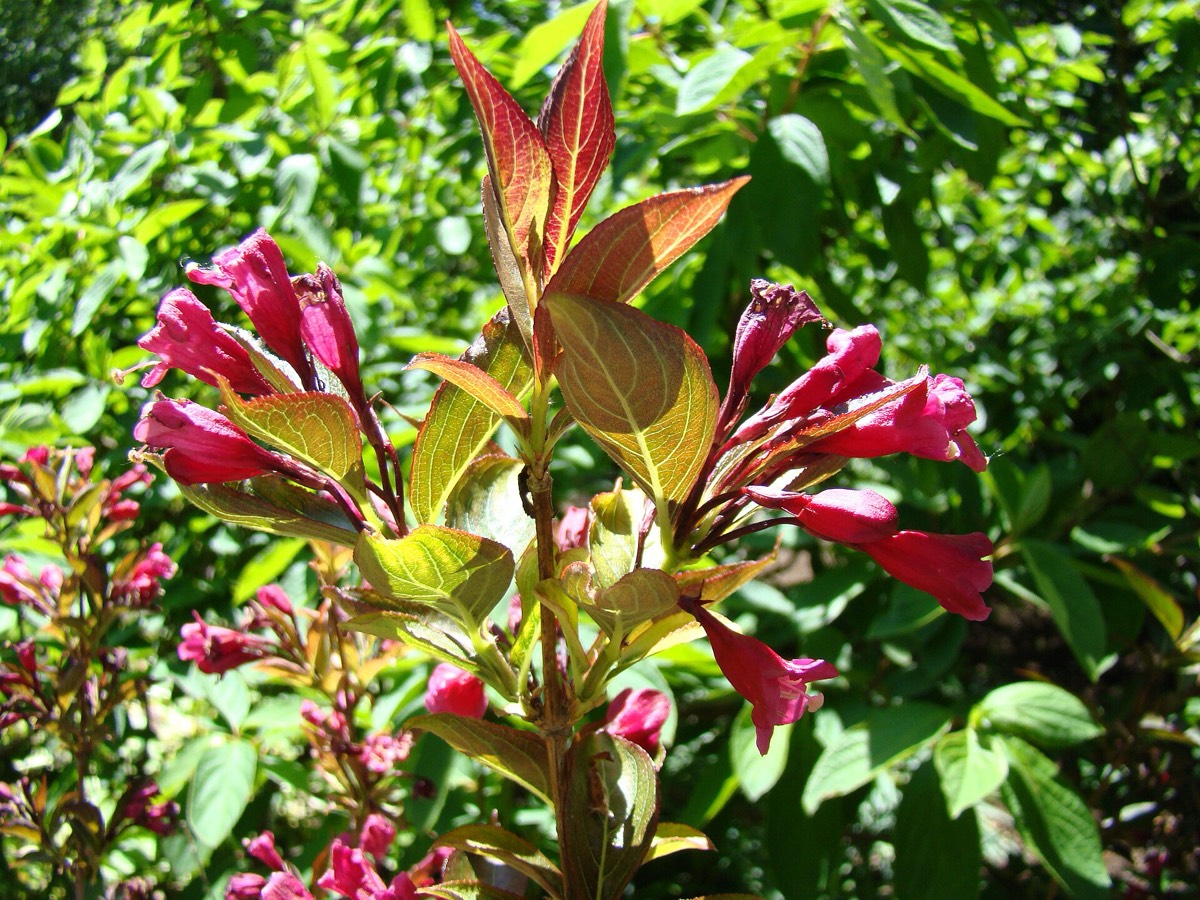
Weigela florida
Weigela is an easy, old-fashioned shrub covered in rosy pink, trumpet-shaped flowers in late spring, with a few more later in summer. Hummingbirds visit the flowers. It does best in full sun and moist, well-drained soil.
- Height
- 6 to 9 feet
- Zones
- 4 to 8
- Sun
- Full sun for the most flowers
-
Red Osier Dogwood
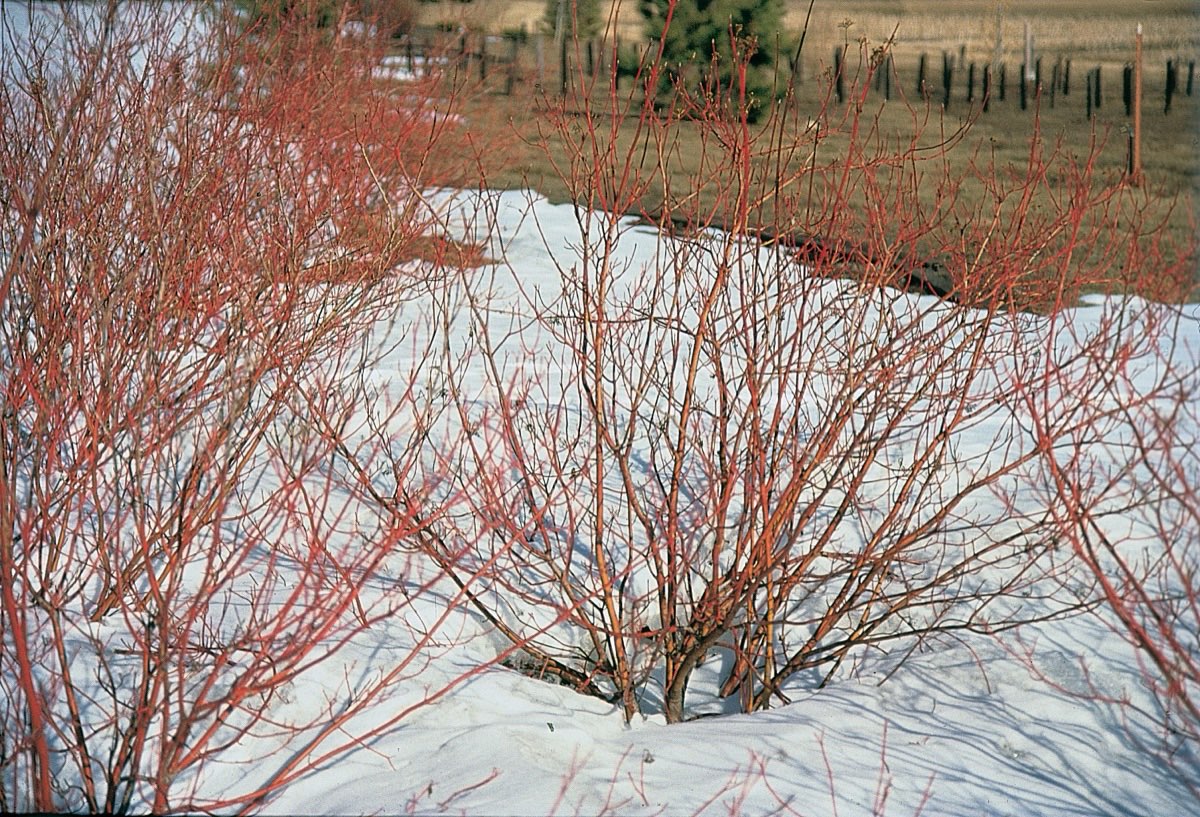
Cornus sericea
Red osier dogwood is a fast-growing native shrub grown for its bright red winter stems. It has white flowers in late spring and white berries in late summer, and it handles wet soil. It's a cold-climate plant that can struggle in hot summers.
- Height
- 6 to 9 feet
- Zones
- 2 to 7
- Sun
- Full sun to part shade
-
Red Rose of Sharon
Hibiscus syriacus
Rose of Sharon is a hardy hibiscus shrub with red flowers from early summer into fall. It's easy to grow in most soils, but it reseeds and can spread if you don't remove the seed pods.
- Height
- 8 to 12 feet
- Zones
- 5 to 9
- Sun
- Full sun to part shade
-
White Rose of Sharon
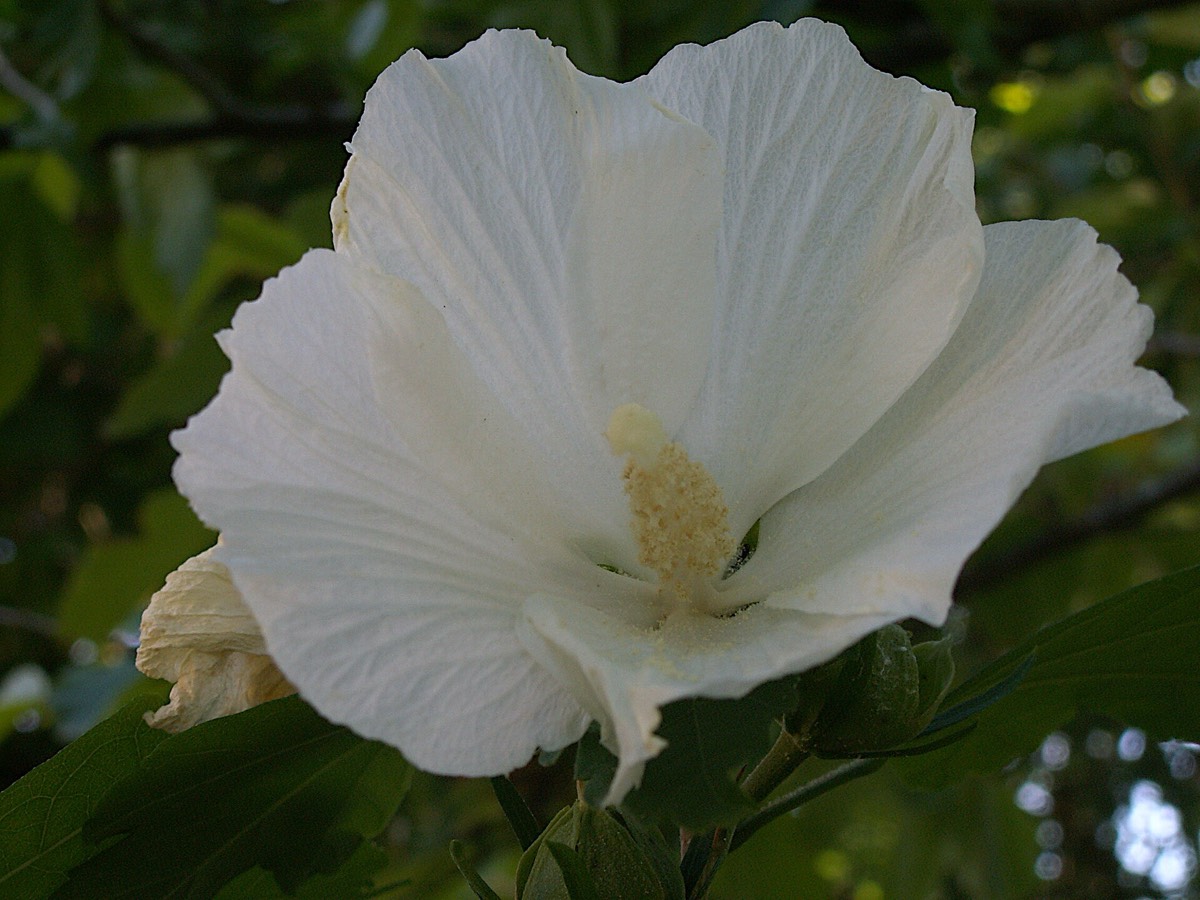
Hibiscus syriacus
Rose of Sharon is a hardy hibiscus shrub with white flowers from early summer into fall. It's easy to grow in most soils, but it reseeds and can spread if you don't remove the seed pods.
- Height
- 8 to 12 feet
- Zones
- 5 to 9
- Sun
- Full sun to part shade
Growing Zones in Our Area
Our customers come from Southwest Missouri, Northwest Arkansas, Northeast Oklahoma, and Southeast Kansas. That area runs from USDA zone 6b to 8a. The farm is in zone 6b. Not sure which zone you're in? Look up your ZIP code on the USDA Plant Hardiness Zone Map (opens in a new tab).
| Zone | Coldest winter night (average) | Towns in this zone |
|---|---|---|
| 6b (our farm) | -5 to 0 °F | Lebanon, MO; Bolivar, MO; Iola, KS; Garnett, KS |
| 7a | 0 to 5 °F | Springfield, MO; Joplin, MO; Fayetteville, AR; Bentonville, AR; Bartlesville, OK; Miami, OK; Pittsburg, KS; Chanute, KS |
| 7b | 5 to 10 °F | Harrison, AR; Tulsa, OK; Broken Arrow, OK; Tahlequah, OK |
| 8a | 10 to 15 °F | Van Buren, AR; Alma, AR |
-
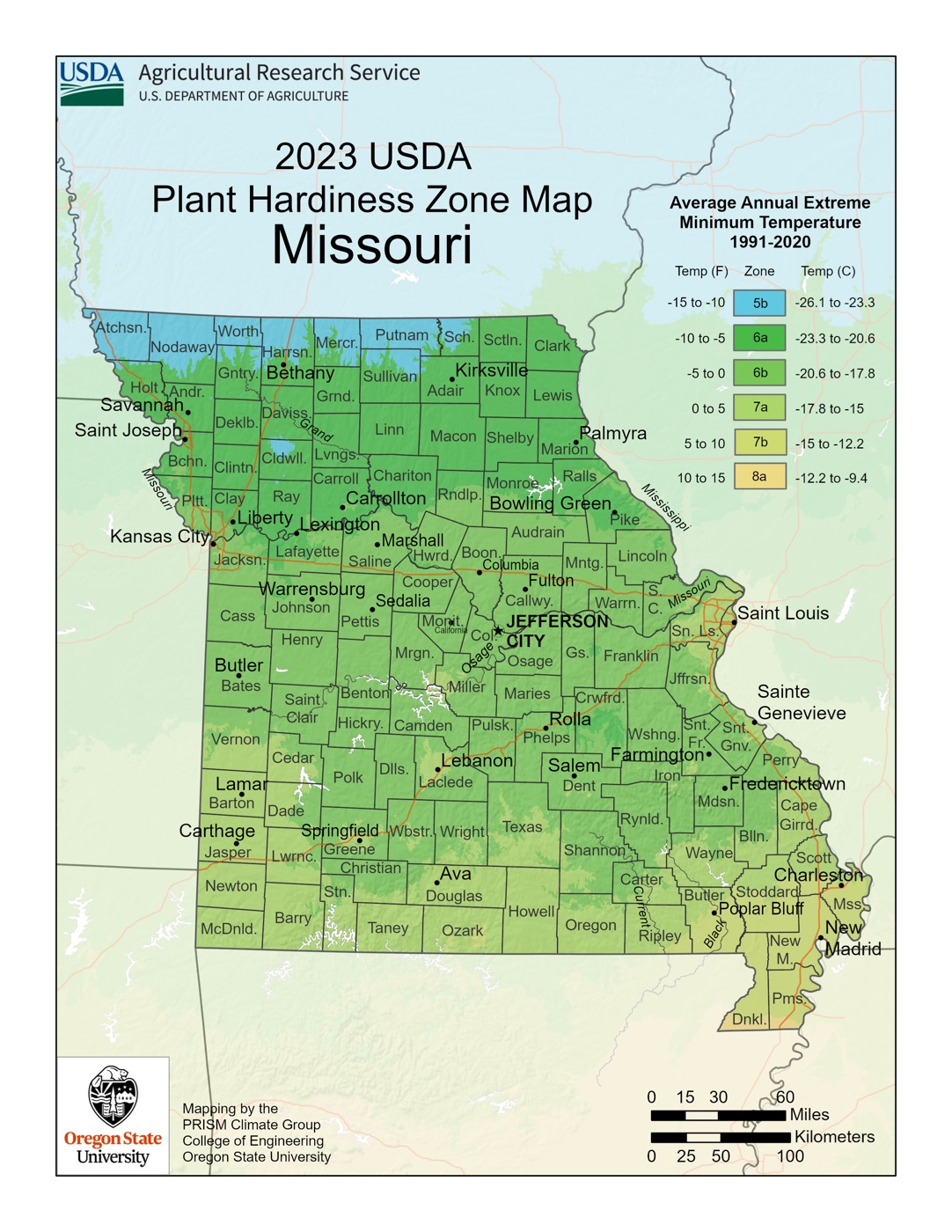 Missouri zone map (full size, opens in a new tab)
-
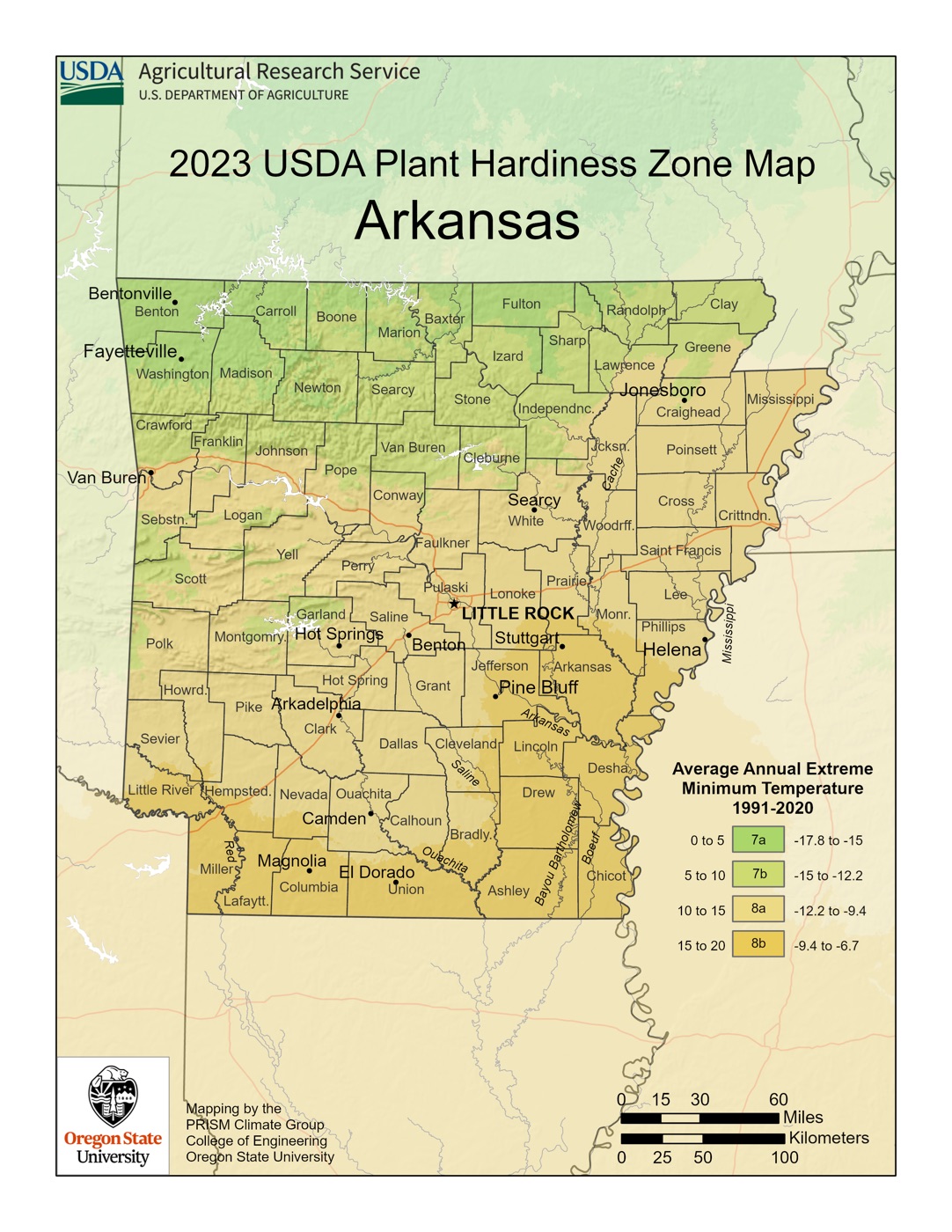 Arkansas zone map (full size, opens in a new tab)
-
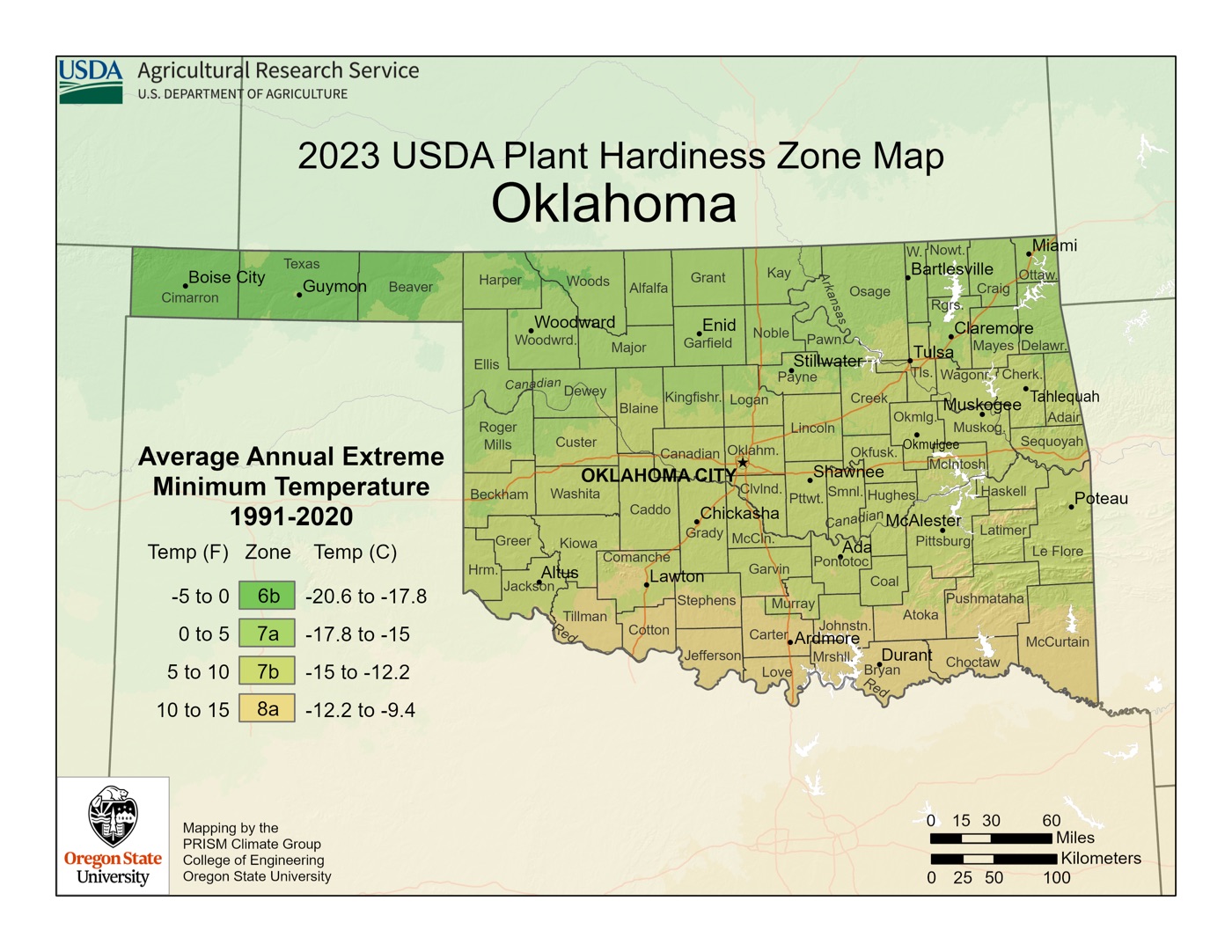 Oklahoma zone map (full size, opens in a new tab)
-
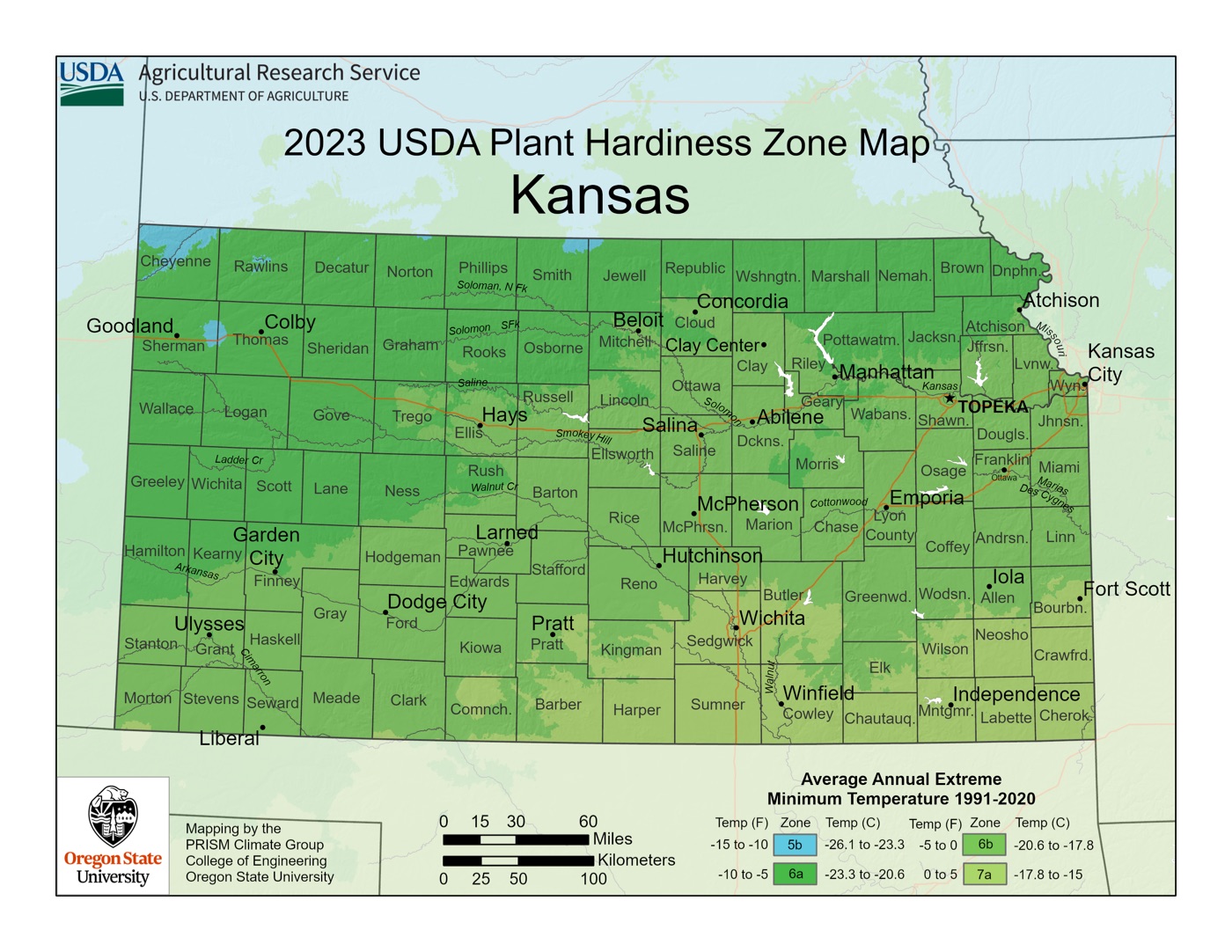 Kansas zone map (full size, opens in a new tab)
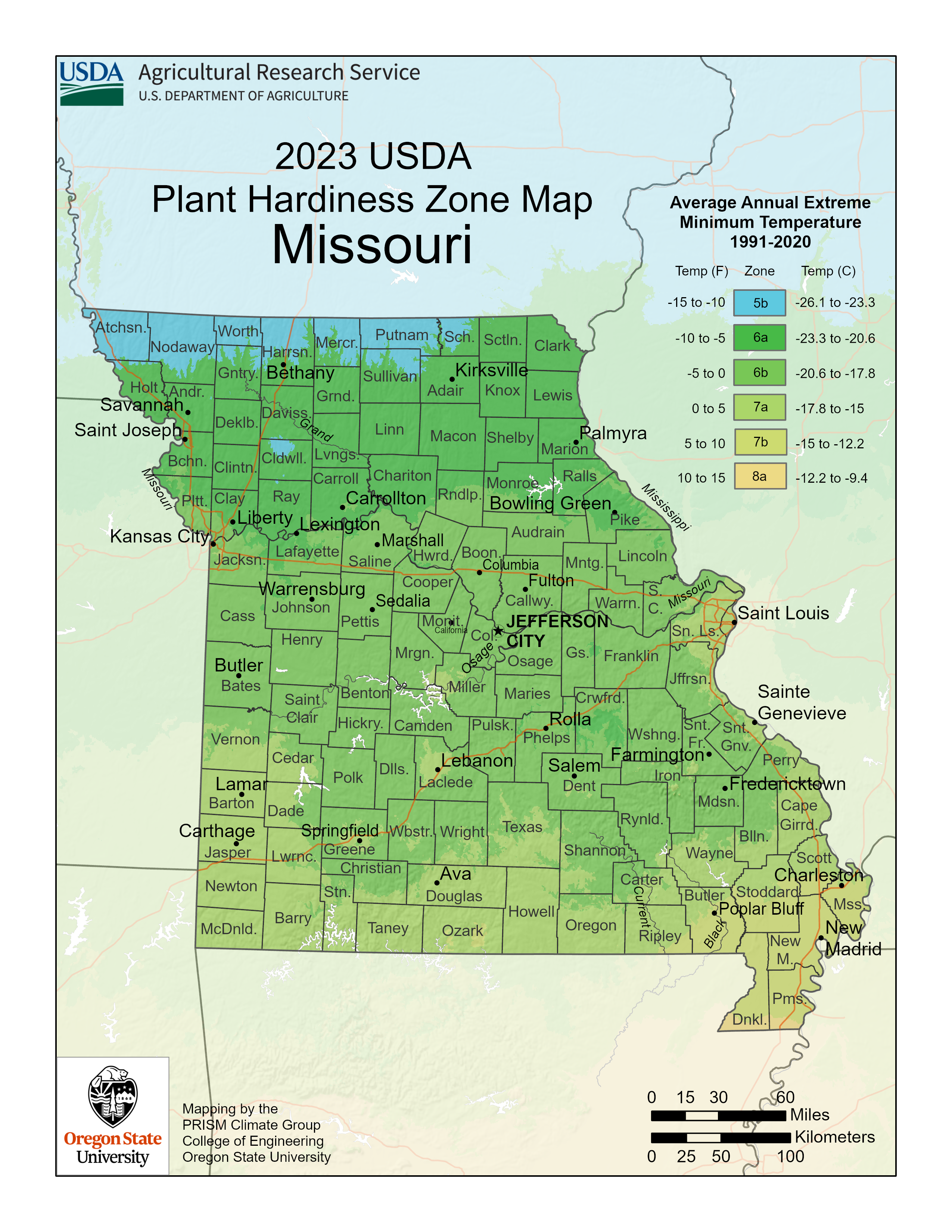
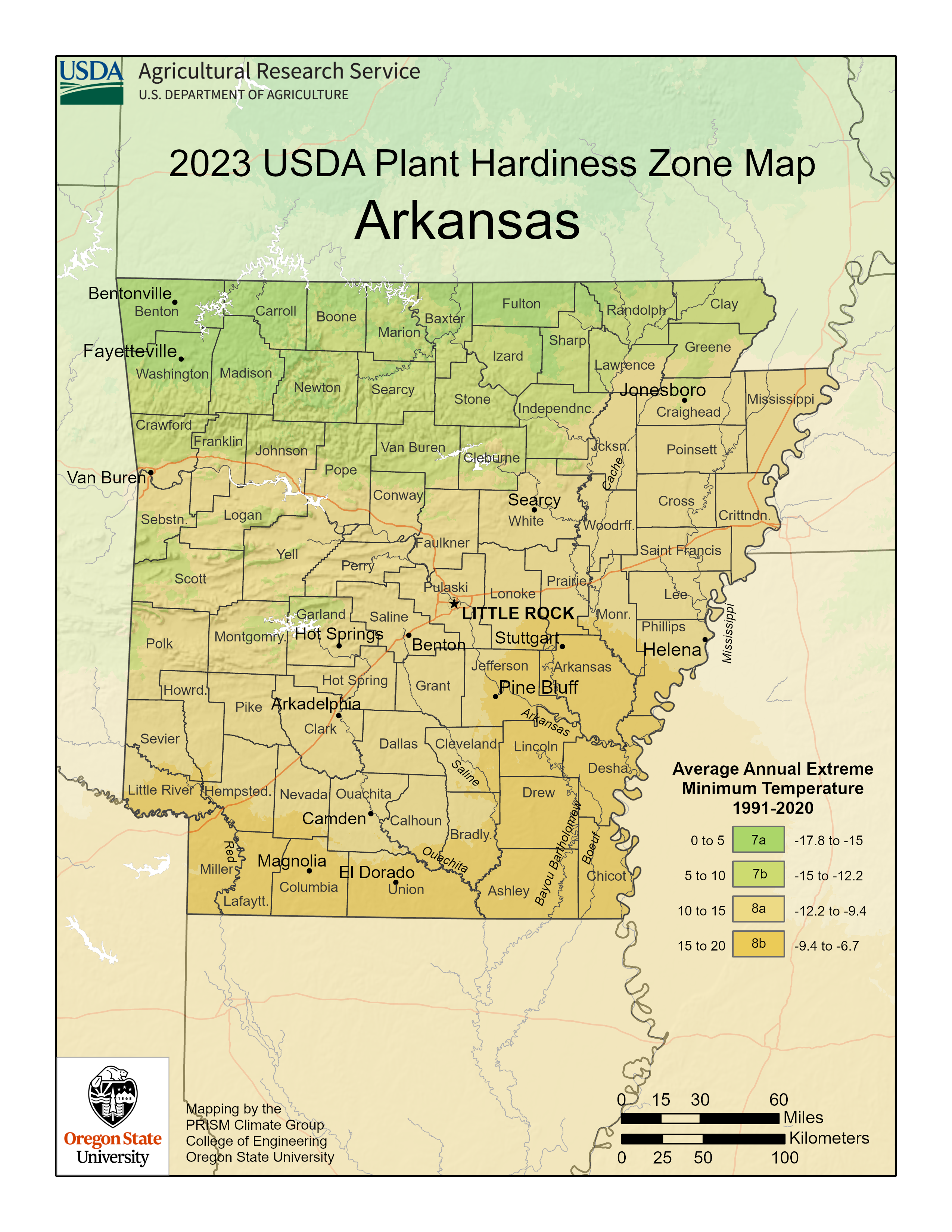
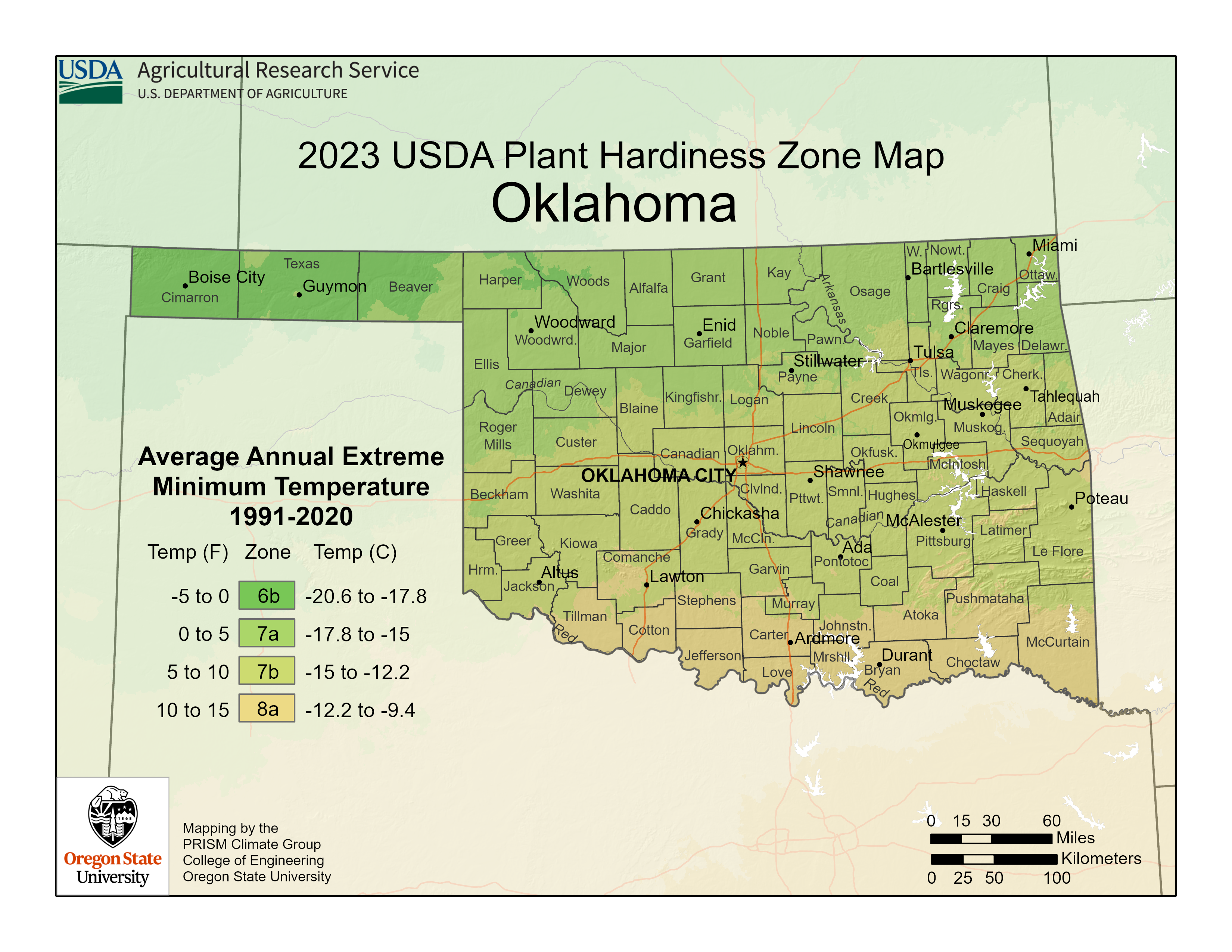
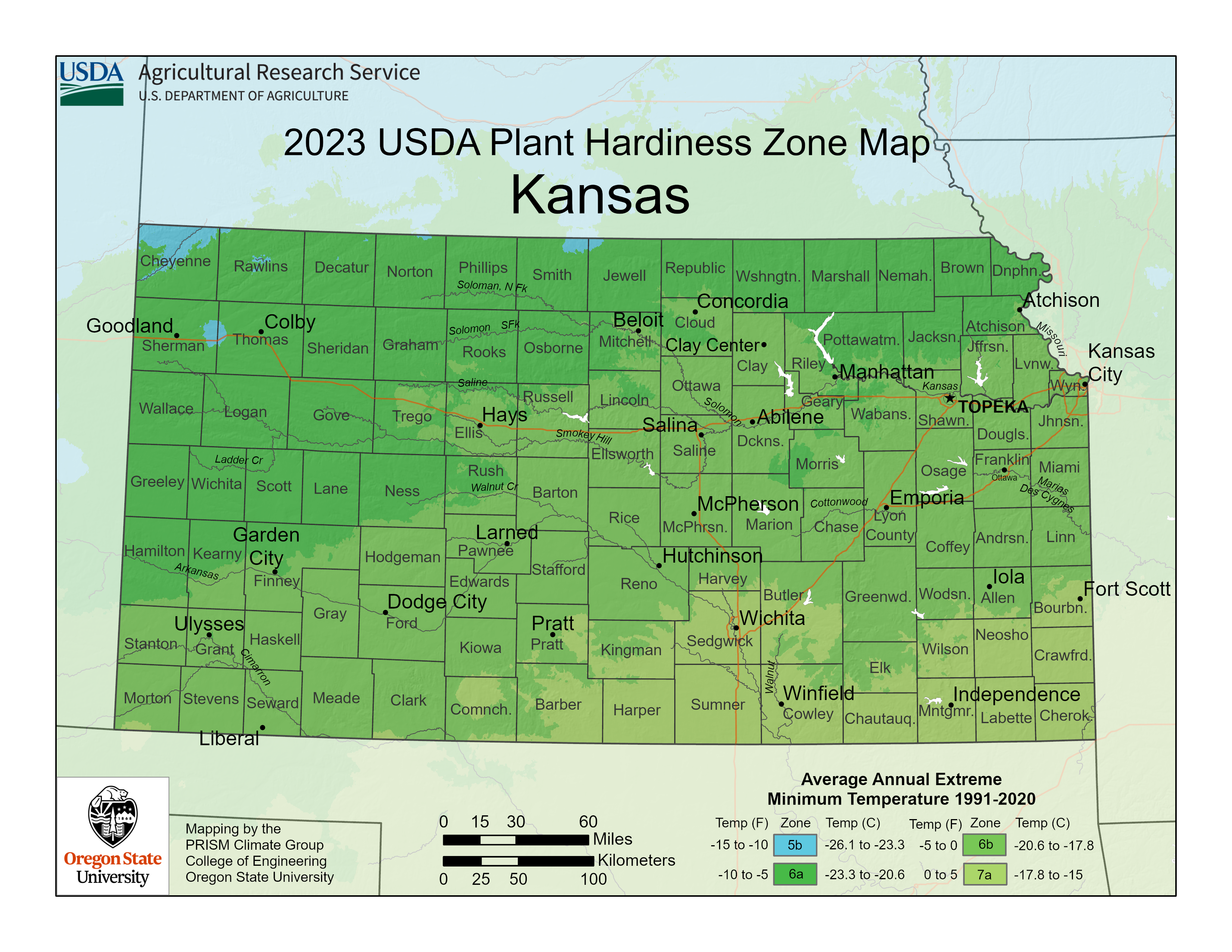
Official 2023 USDA Plant Hardiness Zone Maps. Tap a map to open it full size.
Maps: USDA Agricultural Research Service, with mapping by the PRISM Climate Group, Oregon State University.