Lily of the Valley
Convallaria majalis
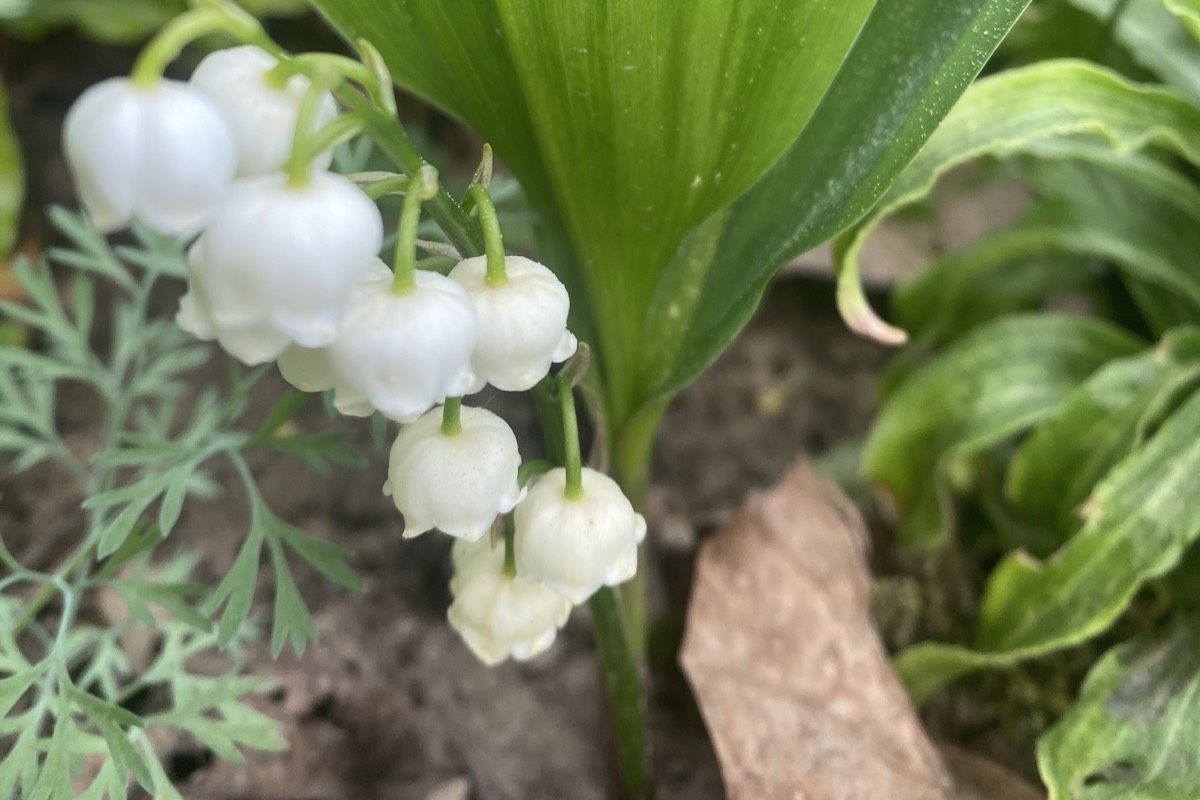
Lily of the valley is a low, spreading ground cover for shade with small, very fragrant white bell-shaped flowers in spring. It spreads by roots and can take over, and it's reported as invasive in some states. All parts are poisonous.
At a Glance
| Plant type | Spreading perennial ground cover |
|---|---|
| Family | Asparagus family (Asparagaceae) |
| Native range | Europe and Asia. Not native to North America. |
| Mature height | 6 to 12 inches |
| Mature spread | Spreads by underground stems to form colonies |
| Growth rate | Slow |
| Flowers | Small, white, bell-shaped flowers about 1/3 inch across, 6 to 16 on a stem, with a strong sweet fragrance. Late spring to early summer, for about three weeks. |
| Fruit or seed | Small red-orange berries, not often formed. Poisonous. |
| Toxicity | All parts are poisonous, including the berries. The plant contains cardiac glycosides, which affect the heart. Symptoms include irregular or slow pulse, low blood pressure, vomiting, stomach pain, diarrhea, disorientation, seizures, and coma. Toxic to dogs, cats, and horses. North Carolina State Extension rates the severity as low unless large amounts are eaten. |
Growing Conditions
| USDA hardiness zones | 3 to 7 |
|---|---|
| Sun | Part shade to full shade |
| Soil | Moist soil rich in organic matter. Tolerates clay and dry soil. |
| Soil pH | Our sources don't give a preference. |
| Water | Medium. Tolerates summer drought. |
| Tolerates | Deep shade, clay, summer drought, deer, rabbits |
| Does poorly with | Warm climates (hardy only through zone 7) |
Will It Grow Here?
In parts of our area. Lily of the Valley is hardy in zones 3 to 7. Find your zone in the table below.
| Zone | Grows here? | Towns in this zone |
|---|---|---|
| 6b (our farm) | Yes | Lebanon, MO; Bolivar, MO; Iola, KS; Garnett, KS |
| 7a | Yes | Springfield, MO; Joplin, MO; Fayetteville, AR; Bentonville, AR |
| 7b | Yes | Harrison, AR; Tulsa, OK; Broken Arrow, OK; Tahlequah, OK |
| 8a | No, too warm | Van Buren, AR; Alma, AR |
Not sure which zone you're in? Look up your ZIP code on the USDA Plant Hardiness Zone Map (opens in a new tab).
-
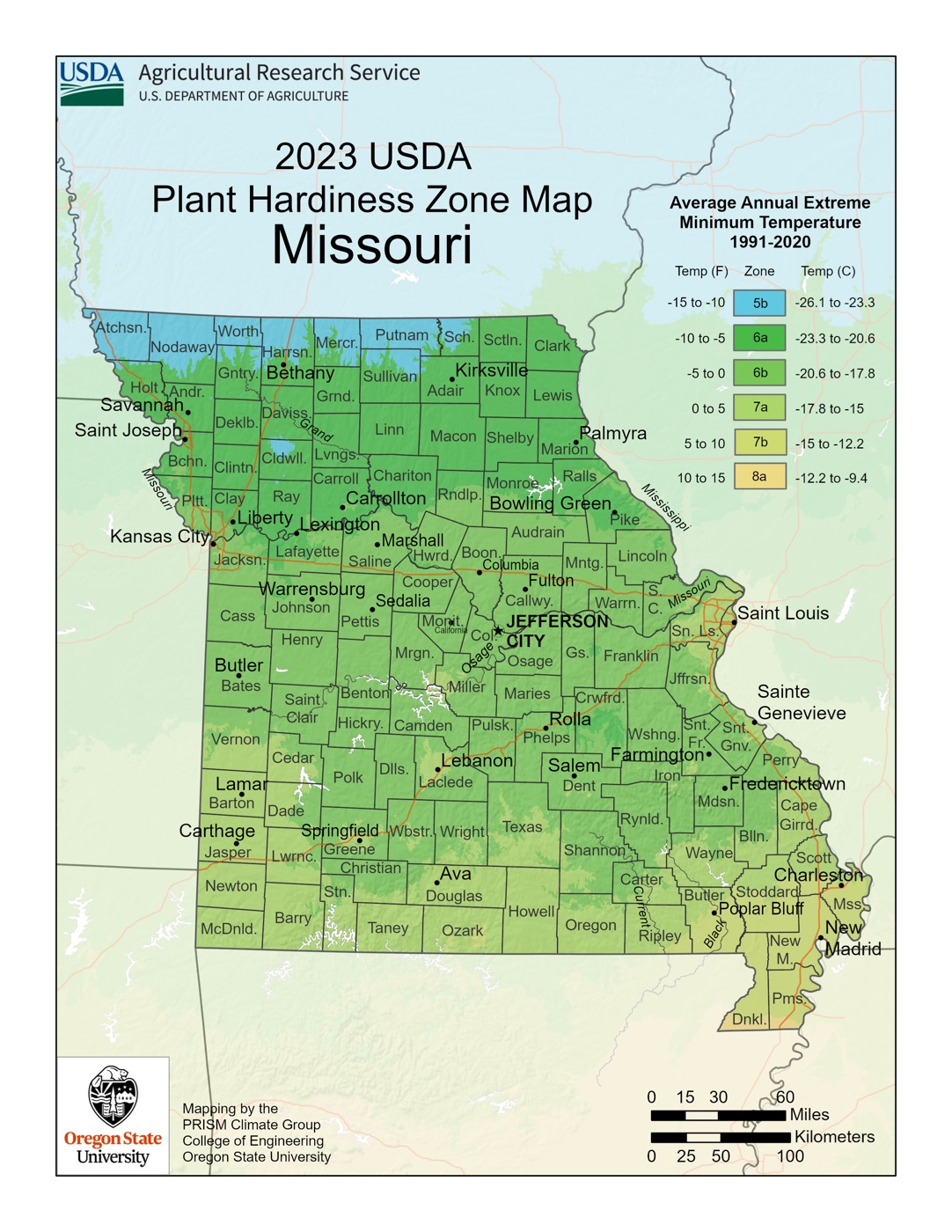 Missouri zone map (full size, opens in a new tab)
-
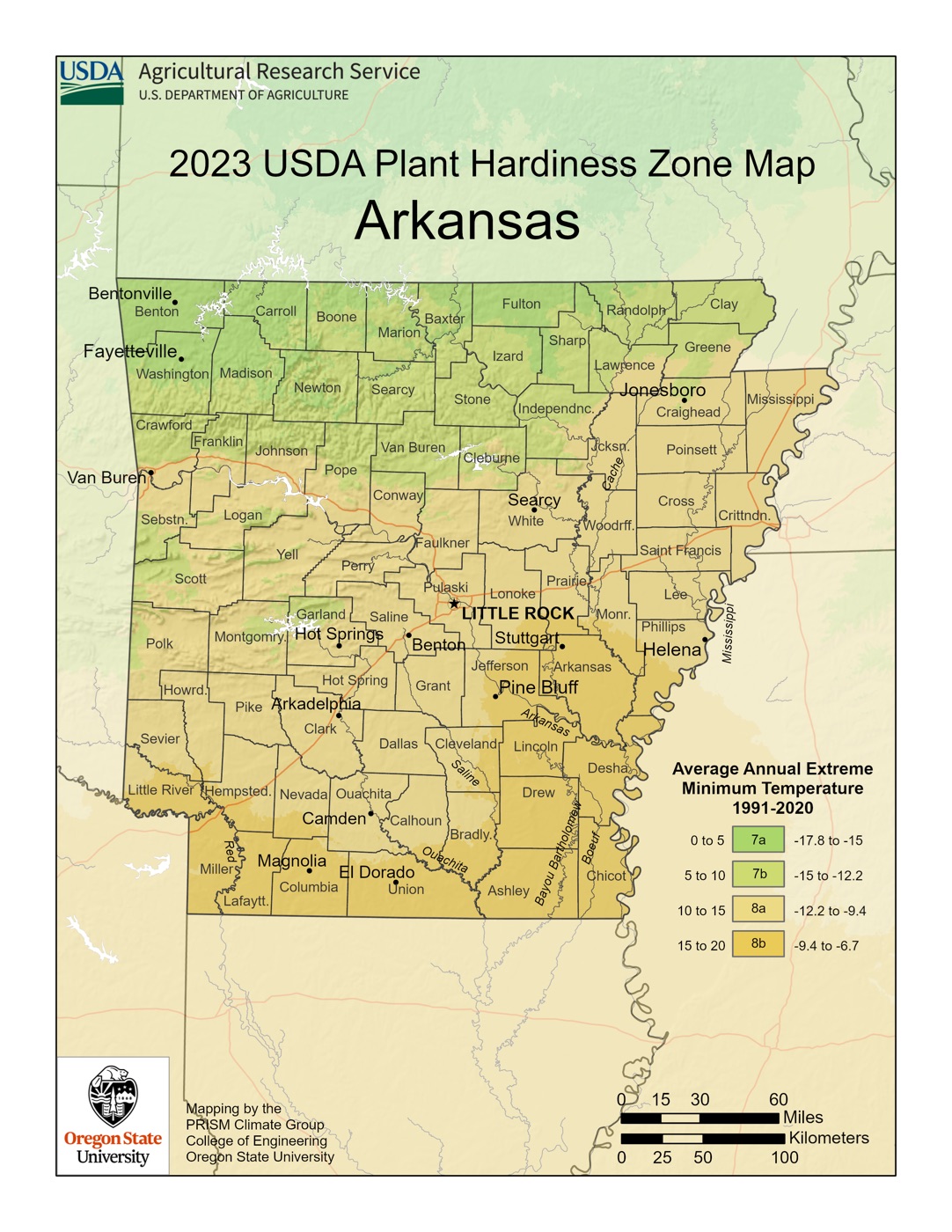 Arkansas zone map (full size, opens in a new tab)
-
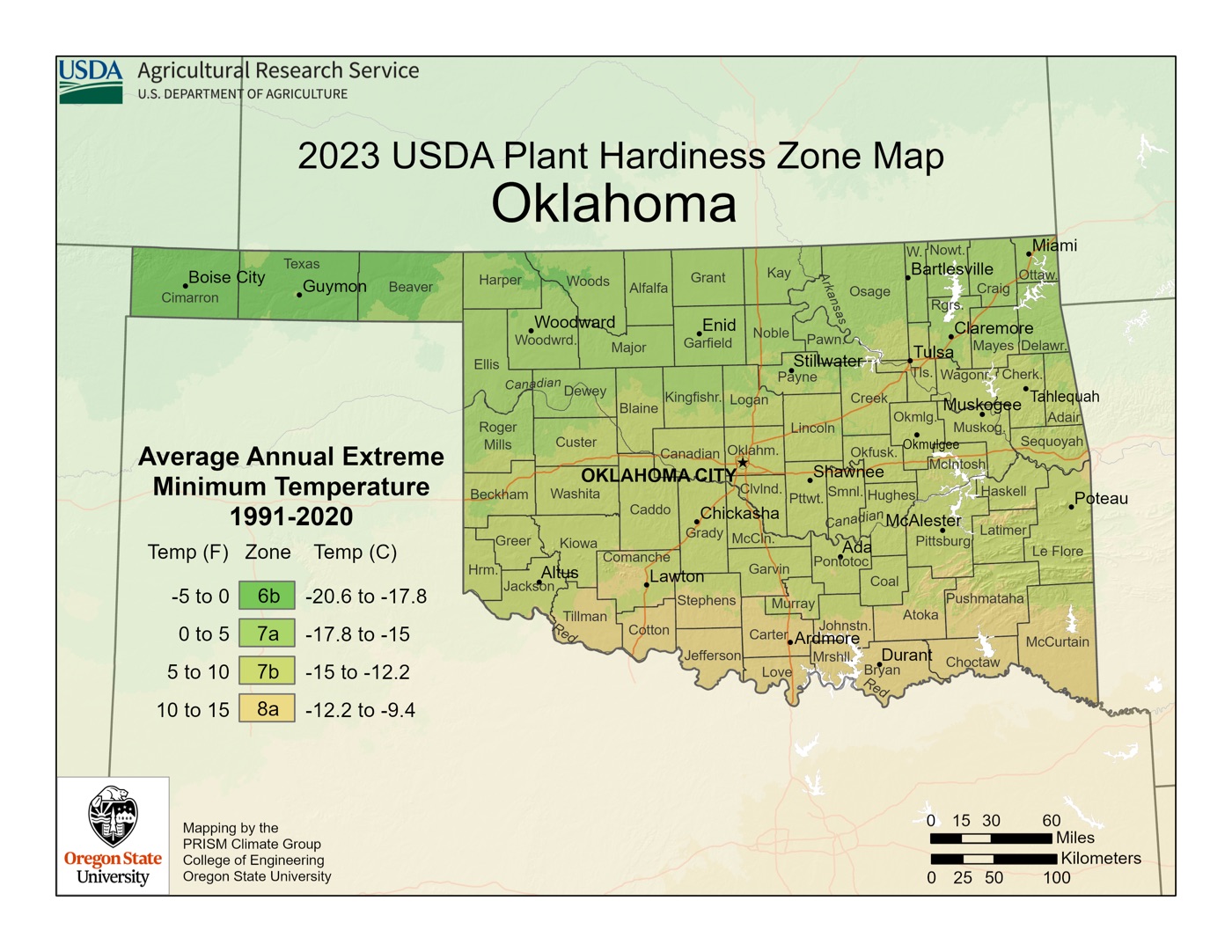 Oklahoma zone map (full size, opens in a new tab)
-
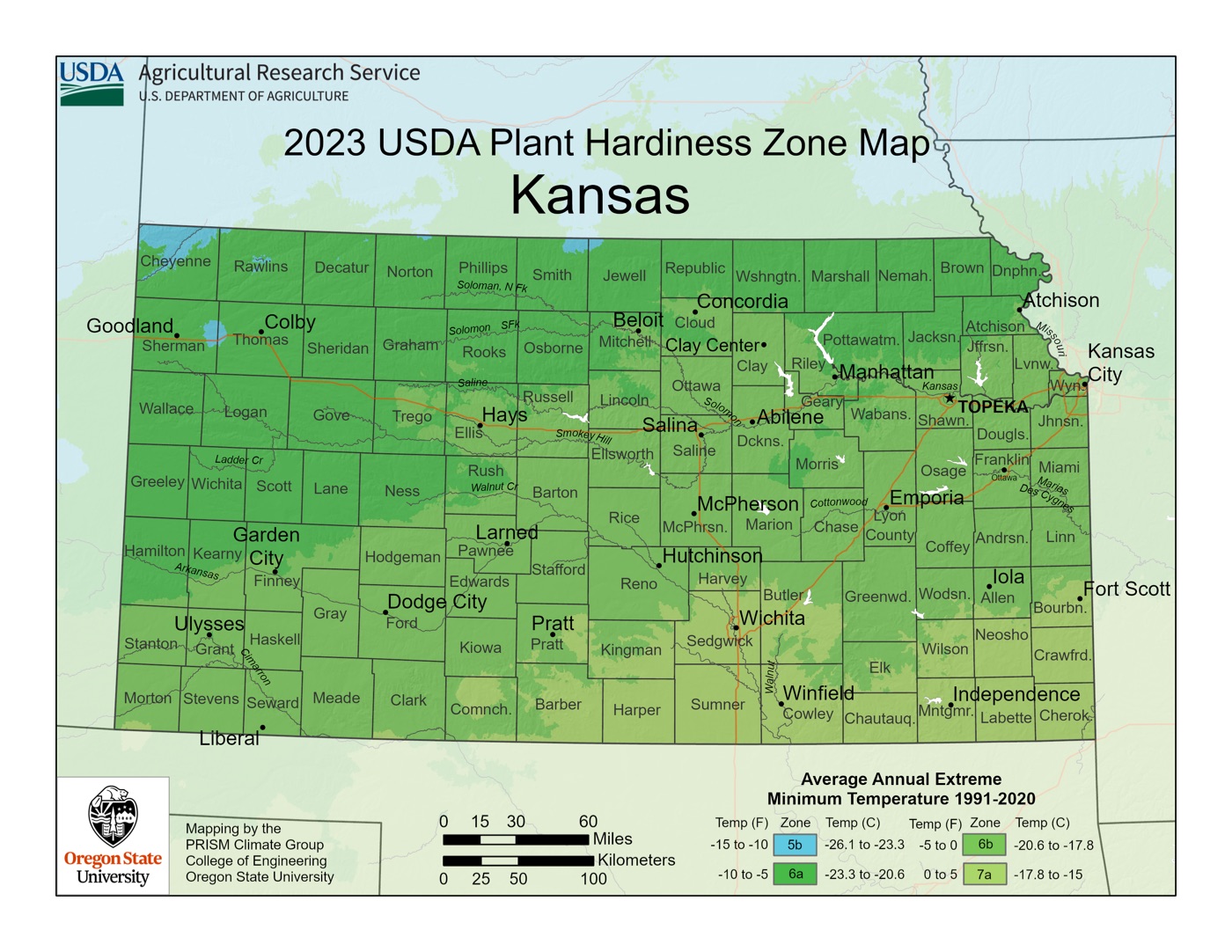 Kansas zone map (full size, opens in a new tab)
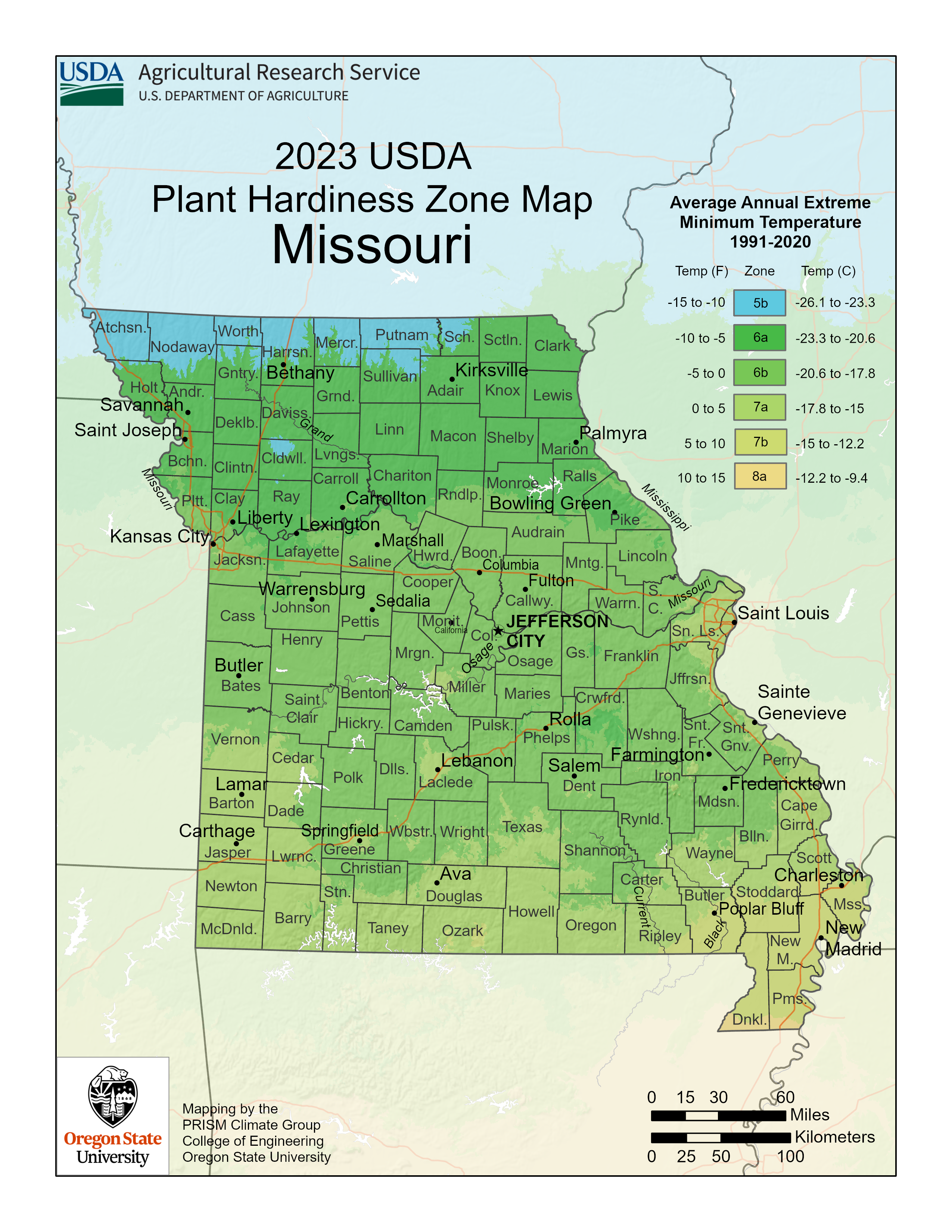
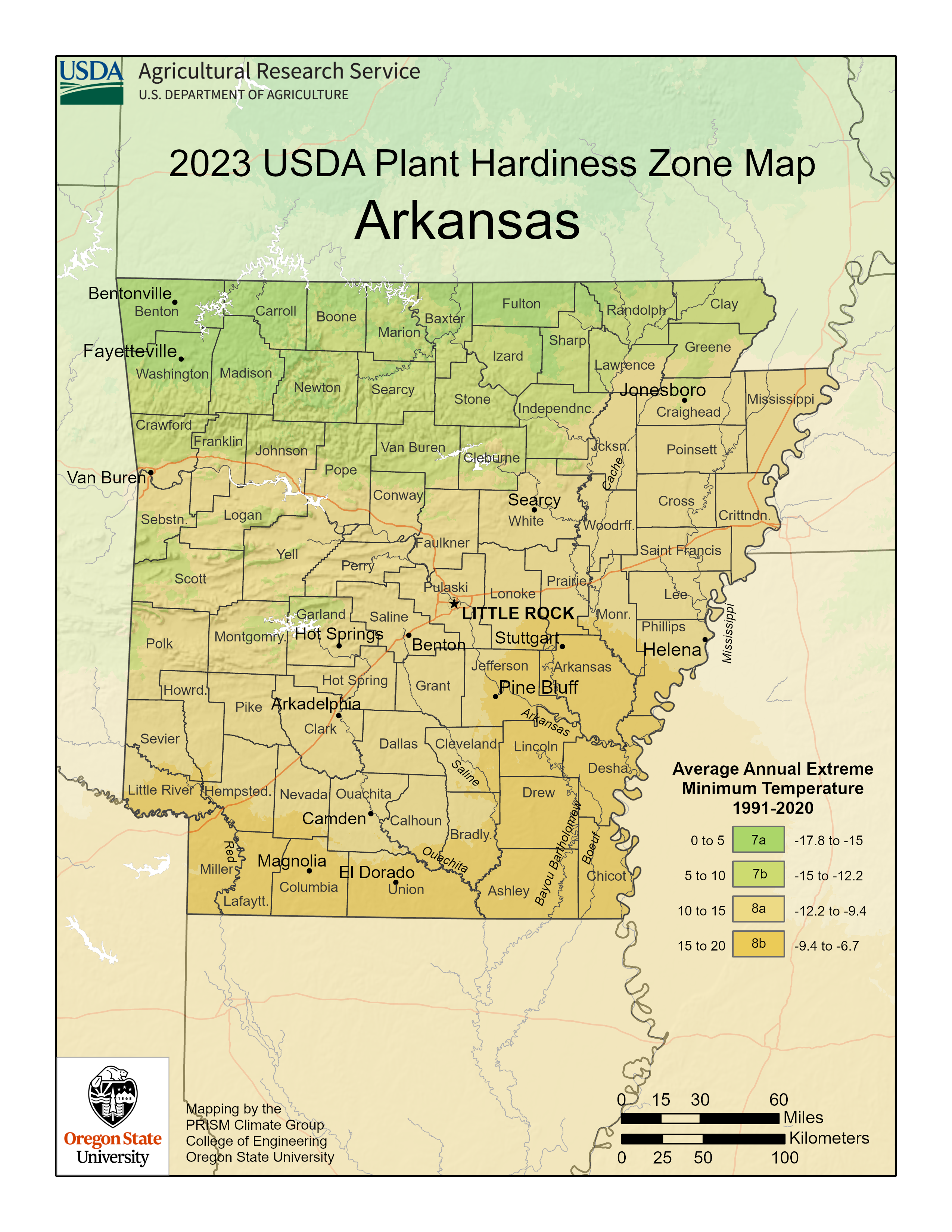
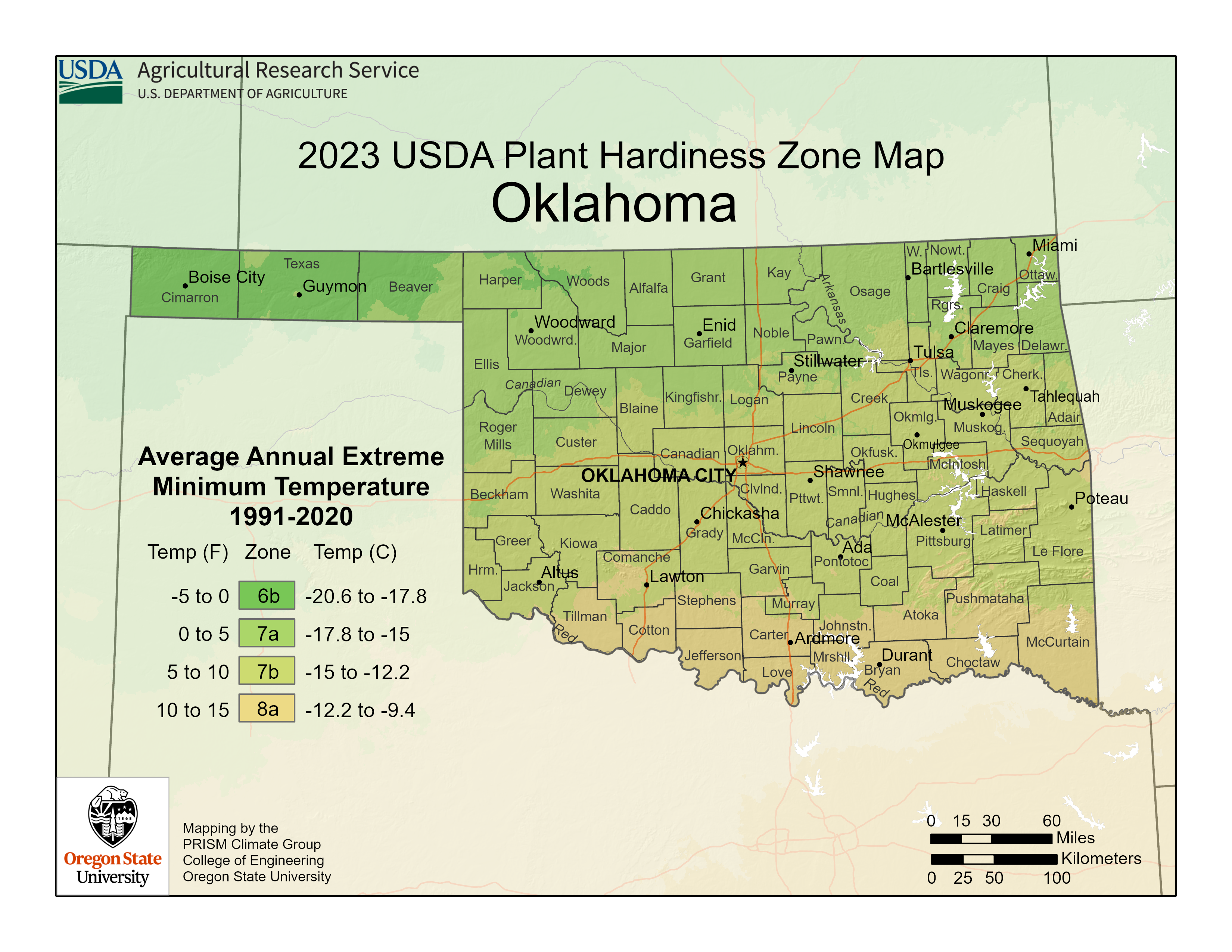
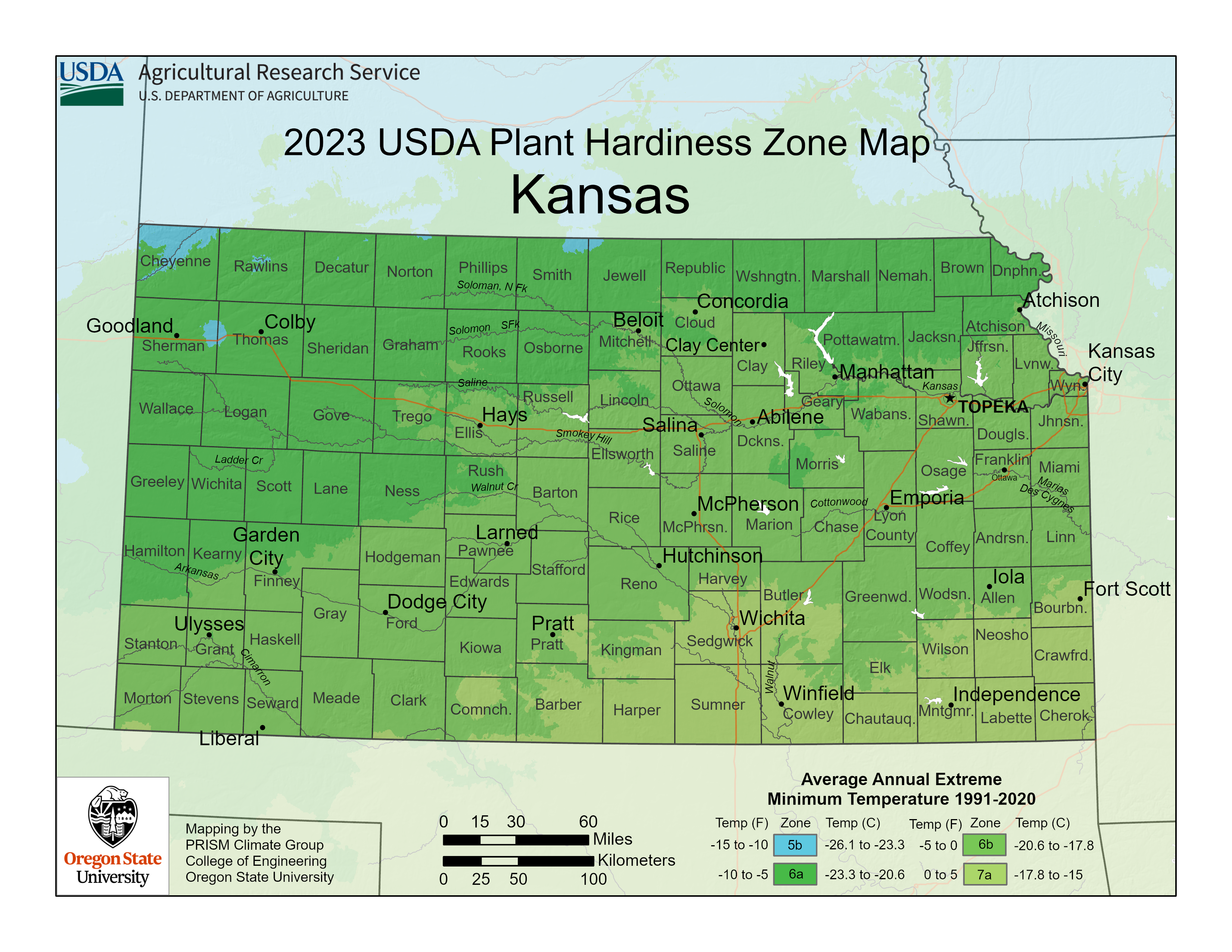
Official 2023 USDA Plant Hardiness Zone Maps. Tap a map to open it full size.
Maps: USDA Agricultural Research Service, with mapping by the PRISM Climate Group, Oregon State University.
Plant Patent
Our supplier sells this as lily of the valley and doesn't list a named variety or patent. Check the plant tag before propagating.
About the Lily of the Valley
Lily of the valley comes from Europe and Asia. It’s a low ground cover with broad leaves and, in late spring, short stems of small white bells with a strong, sweet scent.
It spreads, and it can be invasive. It spreads by underground stems and sometimes by seed, forming dense colonies that can choke out other plants. Where it has escaped into natural areas it can be invasive, and it’s reported as invasive in Wisconsin and Arkansas. Plant it only where you want a ground cover that spreads, and keep it out of woods and natural areas.
It’s poisonous. Every part of the plant, including the berries, contains compounds that affect the heart. Keep children and pets from eating any of it.
Choosing a Spot
- Shade. Light to dense shade, such as under trees and shrubs.
- Moist, rich soil, though it tolerates clay and dry spells.
- Somewhere contained. Choose a bed where its spread won’t crowd out other plants, away from woods and natural areas.
- Cooler parts of our area. It’s hardy only through zone 7, so the warmest part of our area (zone 8a) is outside its range.
Planting
Plant rhizomes about 3 inches deep, measured to the base of the rhizome, and 6 to 8 inches apart. Container-grown plants can be planted at any time of year. Water them in well.
Watering
Most garden perennials need 1 to 2 inches of water a week in summer, from rain or watering. Lily of the valley tolerates summer drought once established.
Mulch and Fertilizer
Top the bed with mulch every fall. If the plant needs feeding, a light application of a balanced fertilizer when growth starts in spring is enough for most perennials.
Pruning
No pruning needed.
Common Problems
- Spreading: The most common problem. It can take over a bed and crowd out other plants.
- Leaf spot may occur.
- Insects: Few or none.
- Deer and rabbits leave it alone.
Propagation
Divide it in fall, or grow it from seed.
Availability
Currently out of stock until Spring 2027.
Our nursery stock changes through the season. Contact us to check what we have on hand, current sizes, and pricing.
Sources
Growing information on this page was checked against these public references:
- Convallaria majalis (North Carolina Extension Gardener Plant Toolbox) (opens in a new tab)
- Lily of the Valley (University of Illinois Extension) (opens in a new tab)
- Lily of the Valley (EDDMapS, University of Georgia Center for Invasive Species and Ecosystem Health) (opens in a new tab)
- Lily of the Valley (ASPCA Toxic and Non-Toxic Plants) (opens in a new tab)
- Herbaceous Ornamentals, MG9 (University of Missouri Extension) (opens in a new tab)
Disclaimer: The information on this page is based on publicly available knowledge and research. Individual results may vary.