Orange Daylily
Hemerocallis fulva
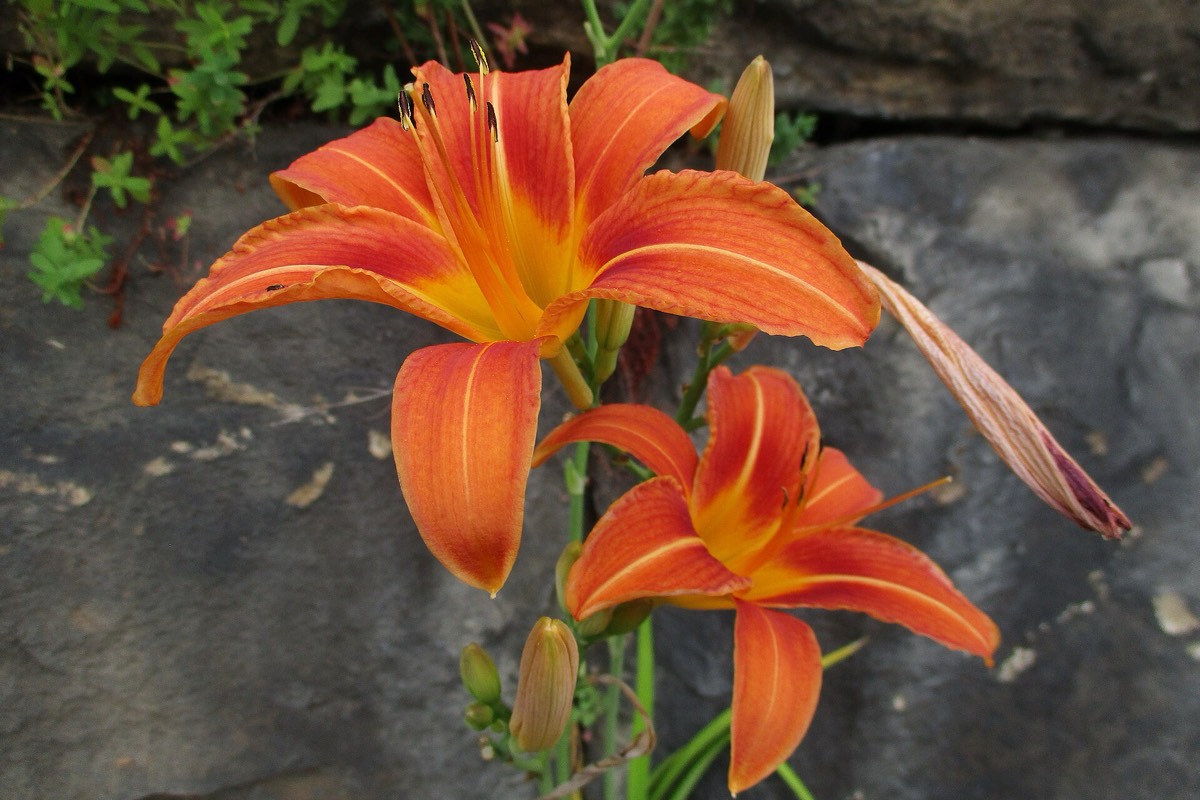
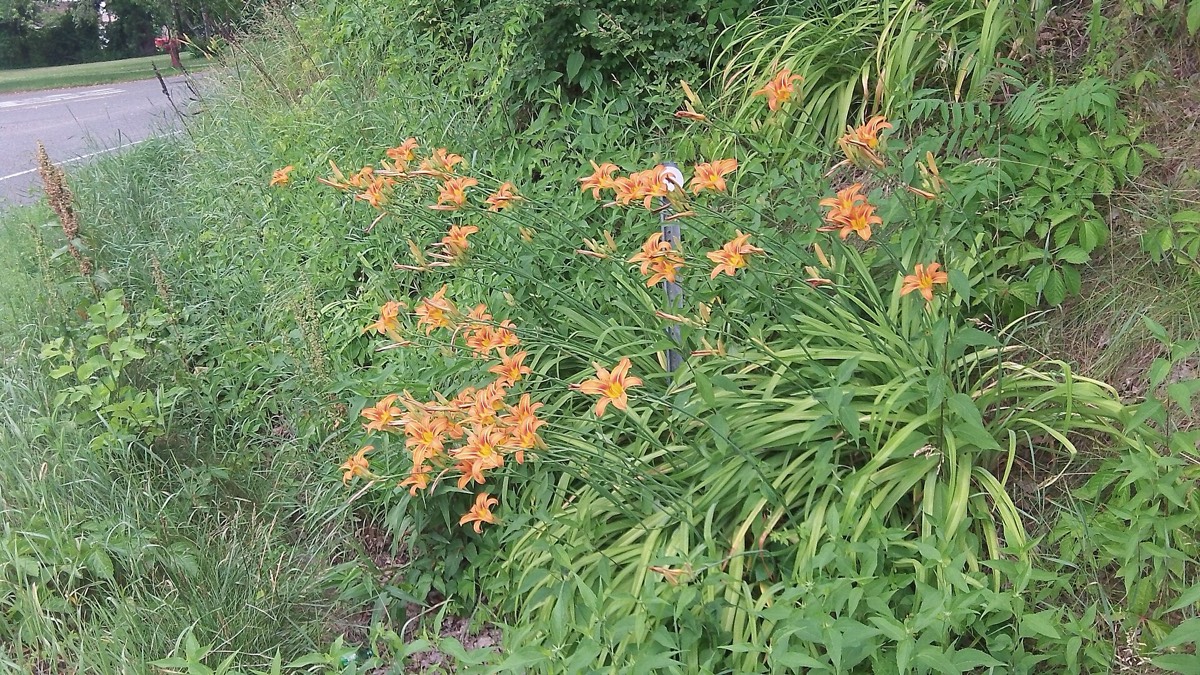
Orange daylily is a tough, easy plant with orange, trumpet-shaped flowers in summer, each lasting one day. It spreads by roots into dense clumps and can crowd out other plants. Every part of it is highly toxic to cats.
At a Glance
| Plant type | Spreading perennial |
|---|---|
| Family | Asphodel family (Asphodelaceae) |
| Other names | Tawny daylily, ditch lily, tiger daylily |
| Native range | Asia, including China and Japan. Not native to North America, but naturalized across much of it. In Missouri it persists along roads, railroads, fields, old cemeteries, and stream banks. |
| Mature height | About 3 feet in flower |
| Mature spread | 2 to 2 1/2 feet per clump, spreading by roots into dense patches |
| Flowers | Orange, trumpet-shaped flowers 3 to 5 inches across. Each lasts one day. May to August. |
| Foliage | Long, narrow leaves up to about 2 feet long |
| Toxicity | Highly toxic to cats. Every part, including the leaves, flowers, pollen, and even water from a vase of cut flowers, can cause kidney failure in cats within 1 to 3 days. Signs include vomiting, loss of appetite, and lethargy. Get a cat to a veterinarian right away if it may have eaten any. Not toxic to dogs, though they may get a mild upset stomach. The buds and flowers are edible for people. |
Growing Conditions
| USDA hardiness zones | 3 to 8 |
|---|---|
| Sun | Full sun to part shade |
| Soil | Well-drained soil. Tolerates poor soil. |
| Soil pH | Our sources don't give a preference. |
| Water | Low to medium. Drought tolerant. |
| Tolerates | Drought, heat, humidity, poor soil, erosion, pollution, rabbits |
Will It Grow Here?
Yes, anywhere in our area. Orange Daylily is hardy in zones 3 to 8, which covers every zone in our area (6b through 8a).
| Zone | Grows here? | Towns in this zone |
|---|---|---|
| 6b (our farm) | Yes | Lebanon, MO; Bolivar, MO; Iola, KS; Garnett, KS |
| 7a | Yes | Springfield, MO; Joplin, MO; Fayetteville, AR; Bentonville, AR |
| 7b | Yes | Harrison, AR; Tulsa, OK; Broken Arrow, OK; Tahlequah, OK |
| 8a | Yes | Van Buren, AR; Alma, AR |
Not sure which zone you're in? Look up your ZIP code on the USDA Plant Hardiness Zone Map (opens in a new tab).
-
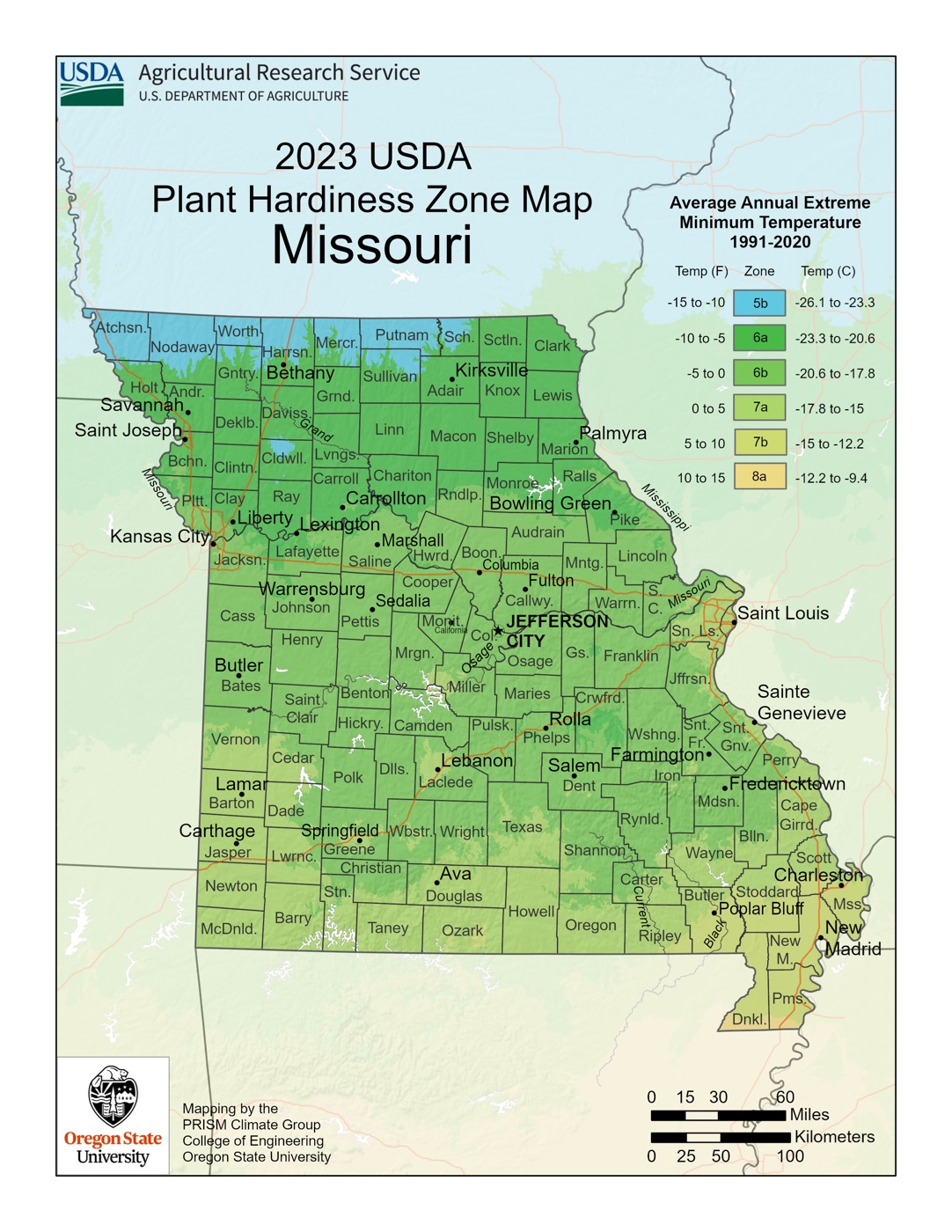 Missouri zone map (full size, opens in a new tab)
-
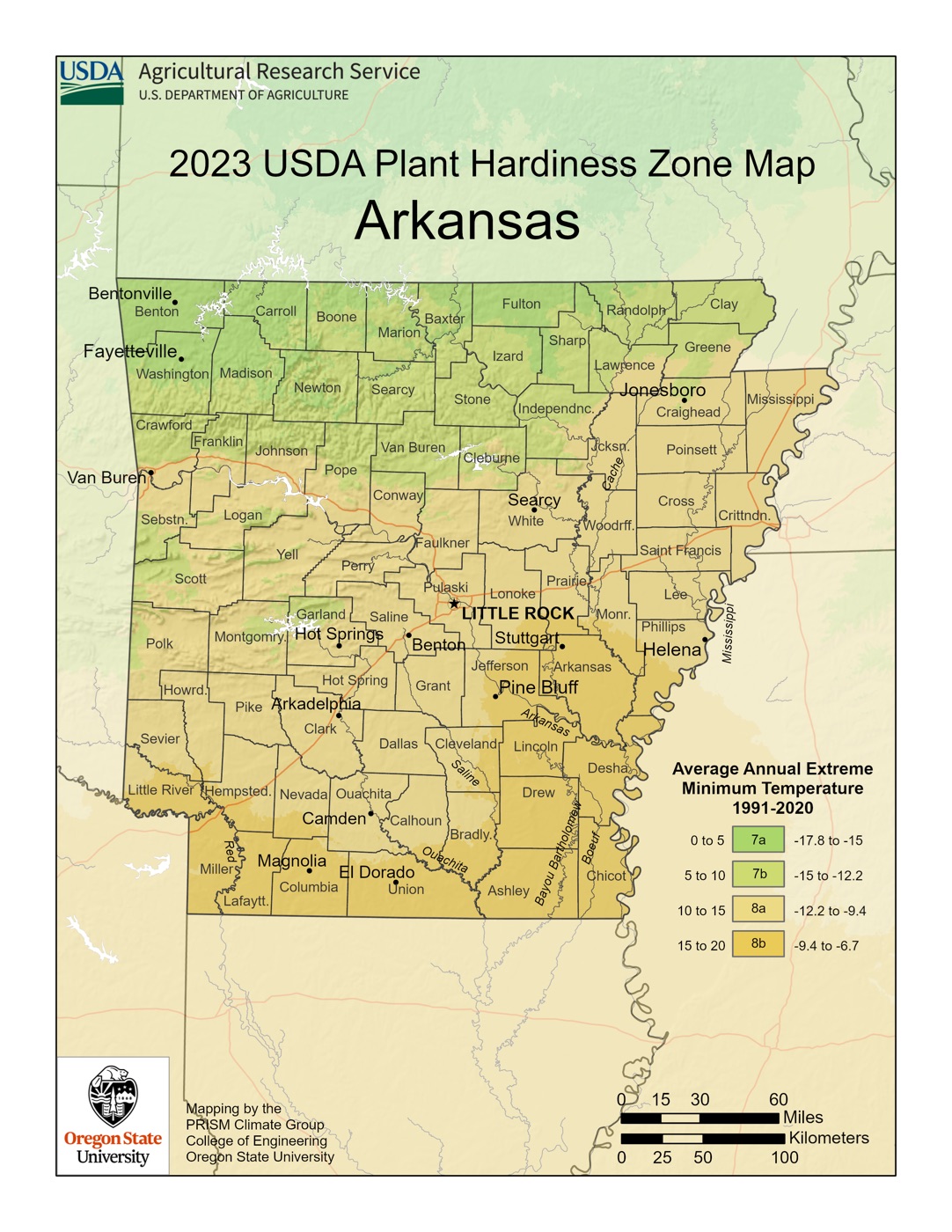 Arkansas zone map (full size, opens in a new tab)
-
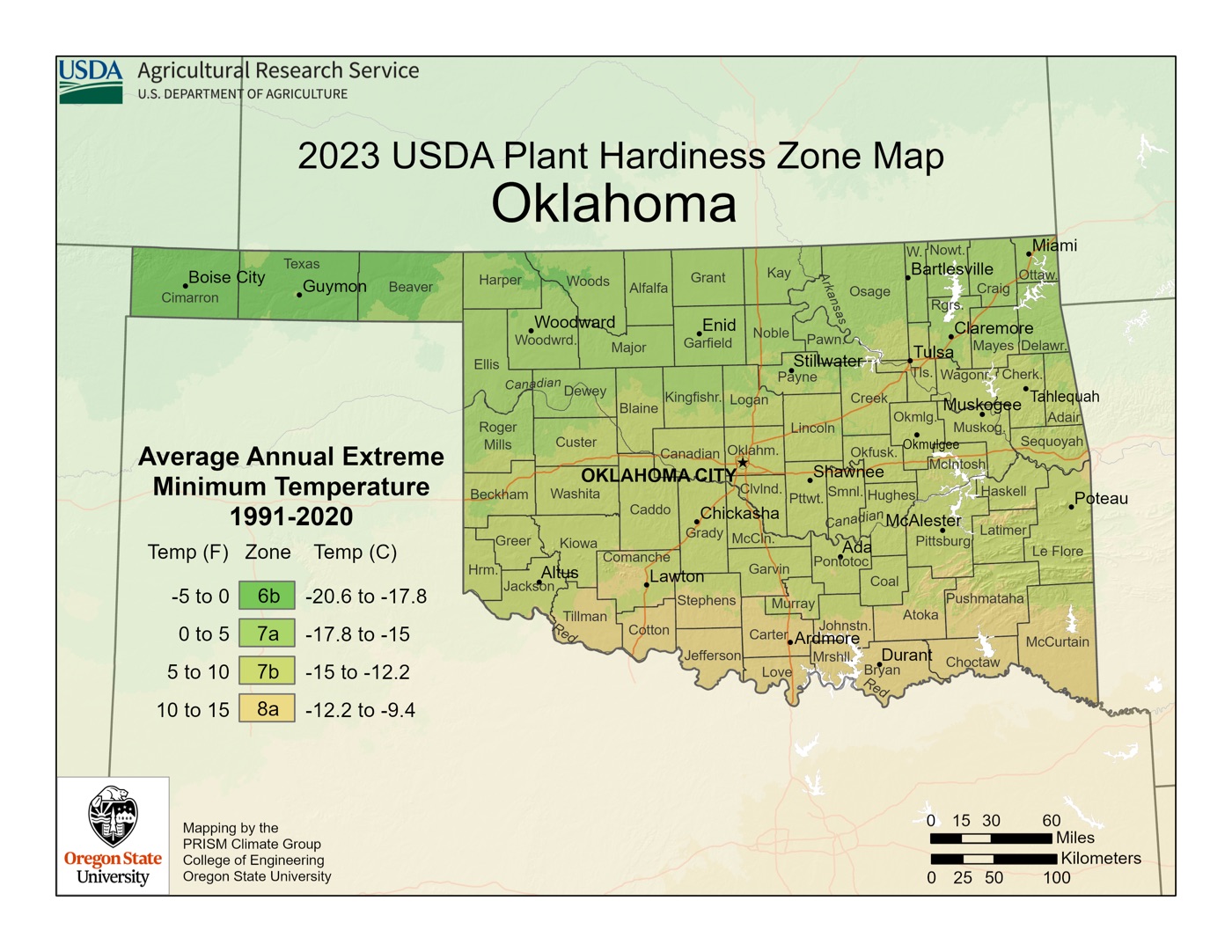 Oklahoma zone map (full size, opens in a new tab)
-
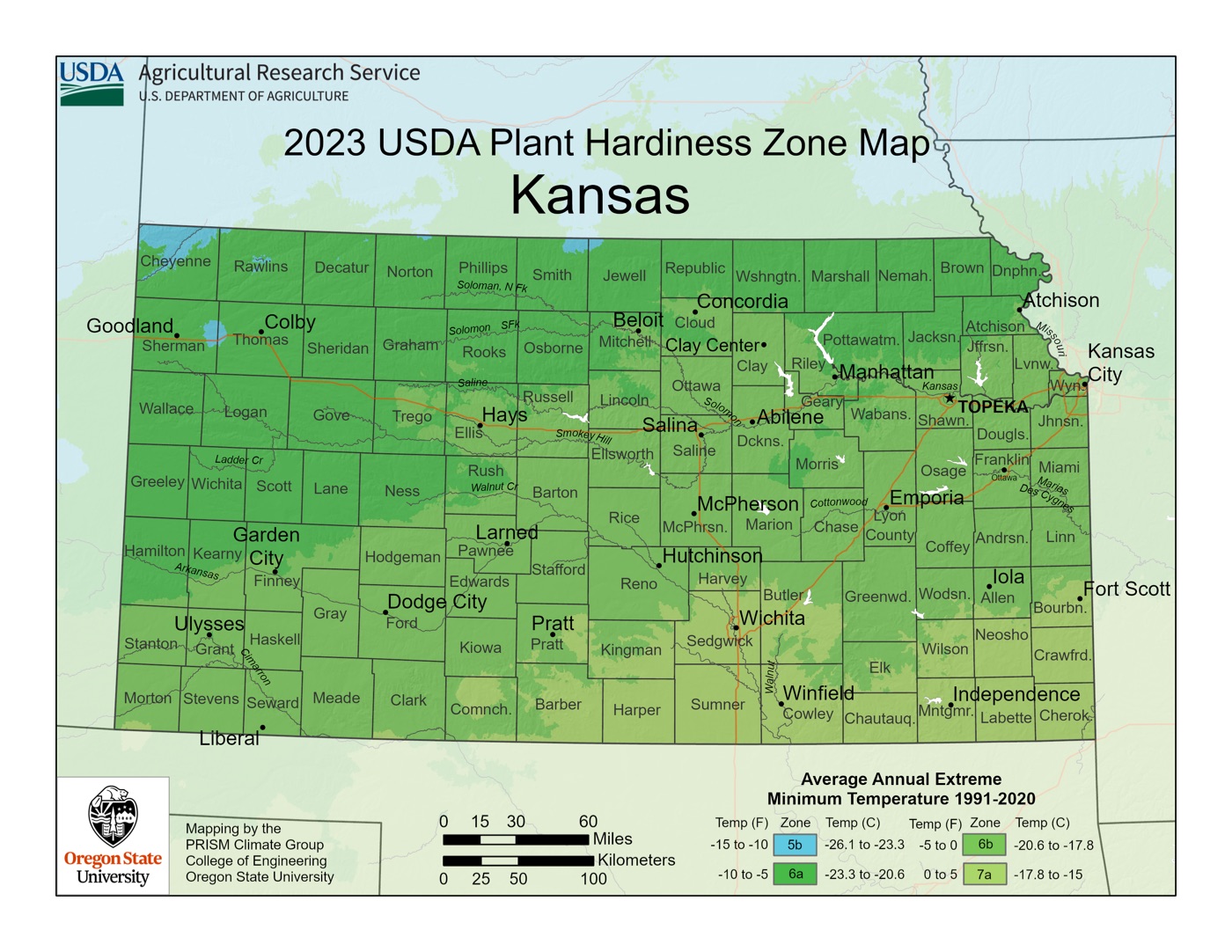 Kansas zone map (full size, opens in a new tab)
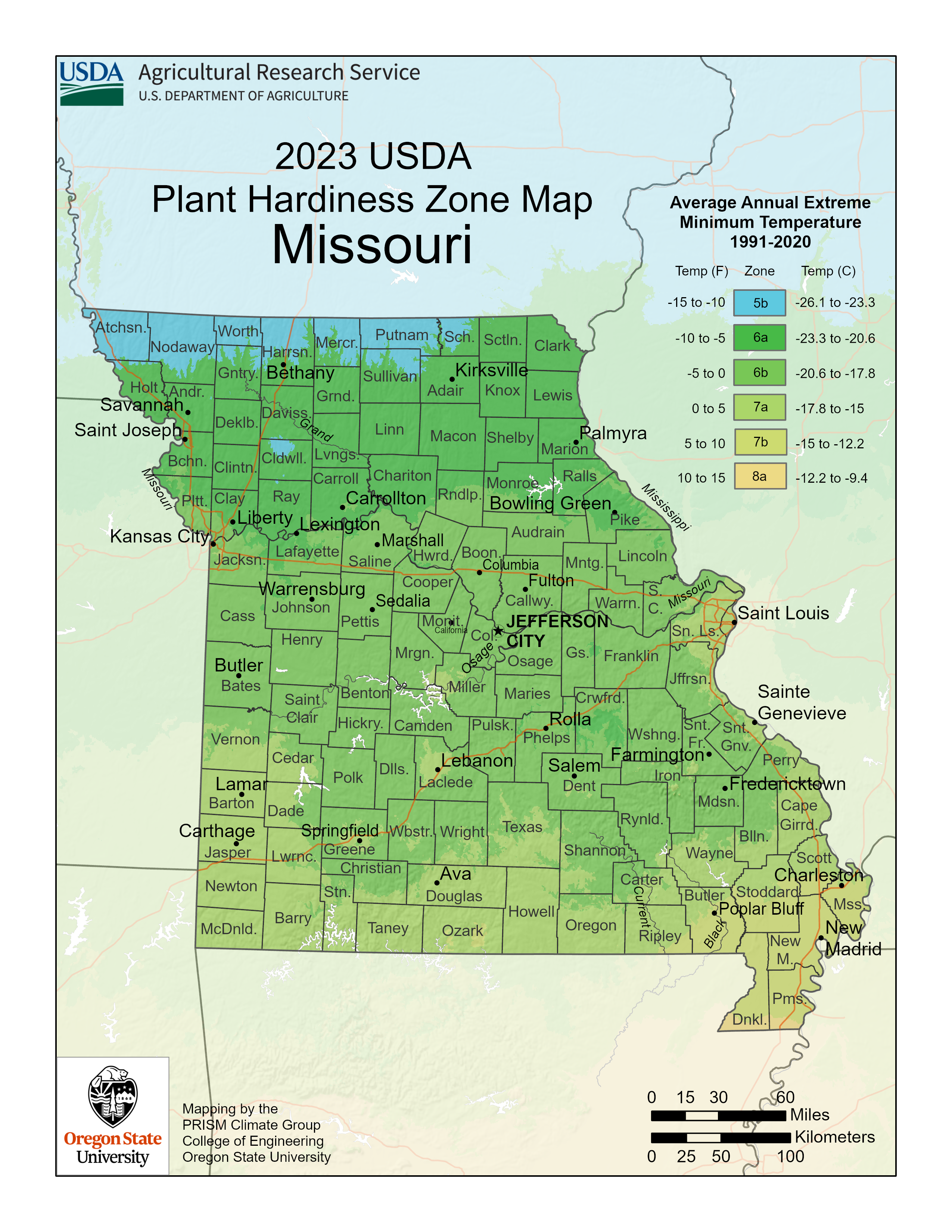
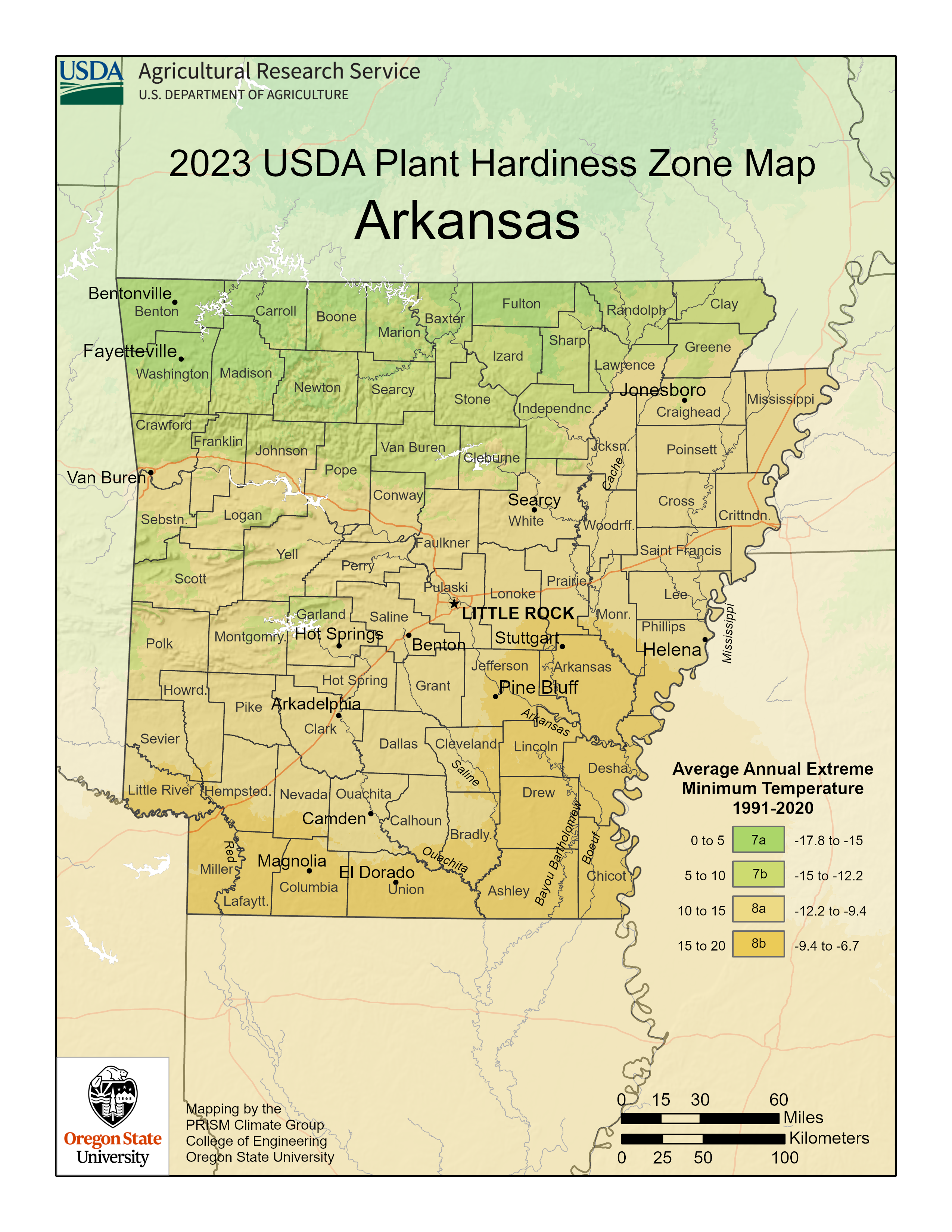
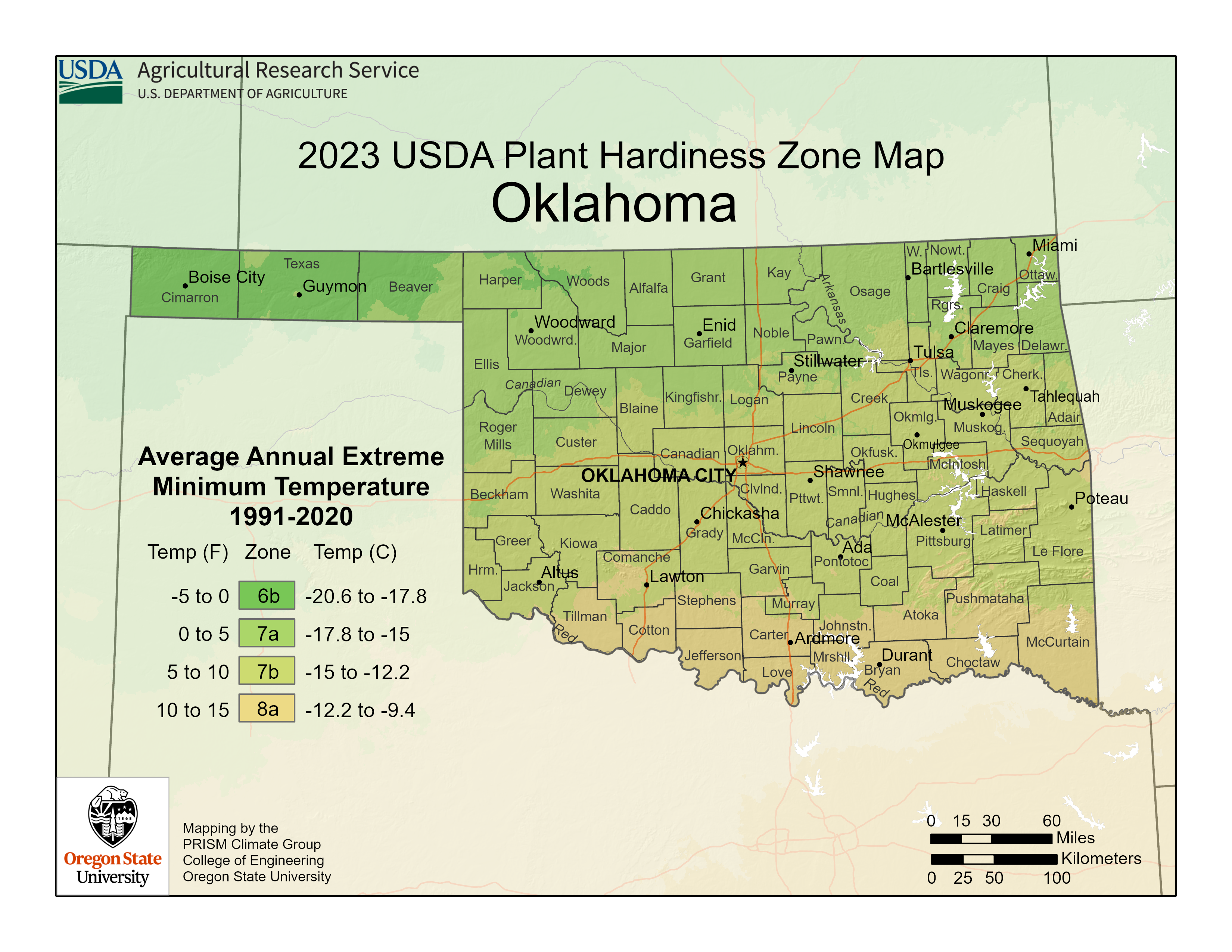
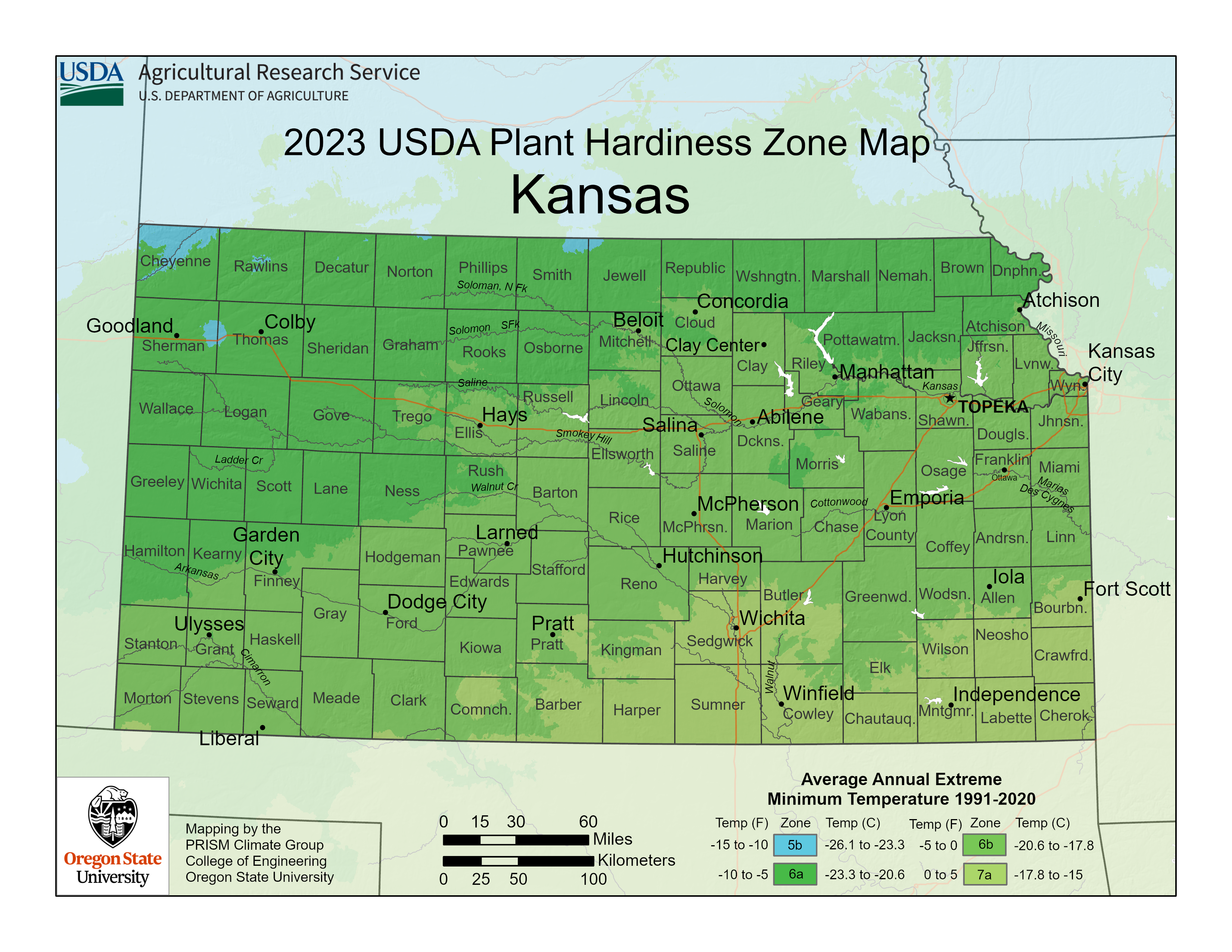
Official 2023 USDA Plant Hardiness Zone Maps. Tap a map to open it full size.
Maps: USDA Agricultural Research Service, with mapping by the PRISM Climate Group, Oregon State University.
Plant Patent
Not patented. This is the straight species, not a named variety, so there are no restrictions on growing it from seed or division.
About the Orange Daylily
Orange daylily comes from Asia and has spread across much of North America. In Missouri you see it along roads, railroads, fields, and old homesites. It’s tough: it handles heat, drought, and poor soil. Each orange flower lasts a single day, and it blooms from May to August.
It spreads. It spreads by its roots and forms dense clumps that can outcompete other plants. In Missouri it doesn’t spread by seed, because the seeds don’t mature here. Once established it’s hard to remove: the leaves resist weedkillers, and missed root pieces sprout new plants. Plant it only where you want it to fill in, and keep it away from natural areas and stream banks. Garden hybrid daylilies haven’t been reported escaping into the wild.
It’s dangerous to cats. Daylilies are among the most dangerous lilies for cats. Even a small amount of leaf, petal, or pollen licked off their fur can cause fatal kidney failure. If you have cats, don’t plant it where they roam, and don’t bring the cut flowers indoors.
Choosing a Spot
- Sun. Full sun to part shade.
- Almost any soil, as long as it drains. It tolerates poor soil.
- Where it can spread. It fills in by roots and is hard to remove later.
- Away from cats.
Planting
Set the plant so its crown, where the stems meet the roots, is even with the soil line. Container-grown plants can be planted at any time of year. Water them in well.
Watering
Most garden perennials need 1 to 2 inches of water a week in summer, from rain or watering. Once established it’s drought tolerant.
Mulch and Fertilizer
Mulch 2 to 4 inches deep. If the plant needs feeding, a light application of a balanced fertilizer when growth starts in spring is enough for most perennials.
Pruning
No pruning needed.
Common Problems
- Spreading: The main problem. It crowds out other plants and is hard to get rid of.
- Daylily leafminer and southern blight can affect it.
Propagation
Divide the clumps as needed.
Availability
Currently out of stock until Spring 2027.
Our nursery stock changes through the season. Contact us to check what we have on hand, current sizes, and pricing.
Sources
Growing information on this page was checked against these public references:
- Hemerocallis fulva (North Carolina Extension Gardener Plant Toolbox) (opens in a new tab)
- Orange Daylily Field Guide (Missouri Department of Conservation) (opens in a new tab)
- Day Lilies (ASPCA Toxic and Non-Toxic Plants) (opens in a new tab)
- Lovely Lilies and Curious Cats: A Dangerous Combination (U.S. Food and Drug Administration) (opens in a new tab)
- Herbaceous Ornamentals, MG9 (University of Missouri Extension) (opens in a new tab)
Disclaimer: The information on this page is based on publicly available knowledge and research. Individual results may vary.