Solomon's Seal
Polygonatum biflorum
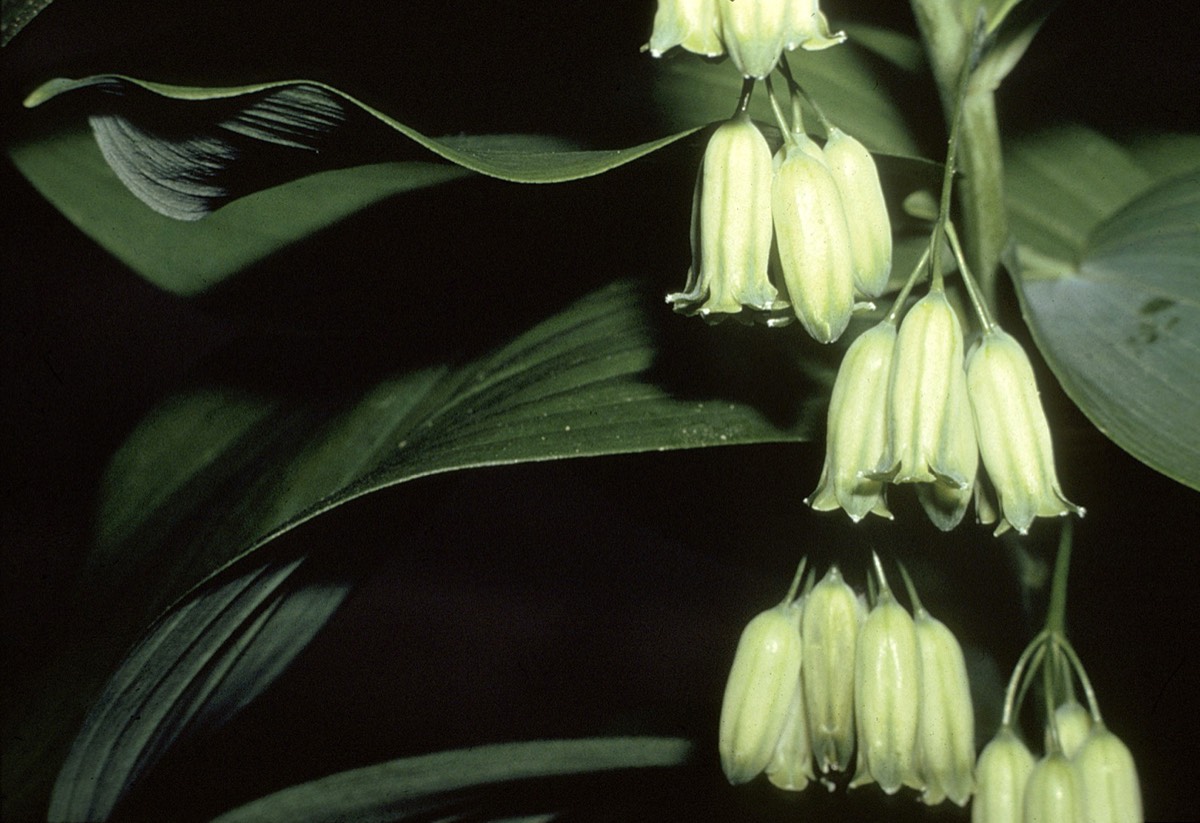
Solomon's seal is a native woodland plant with tall, arching stems and small greenish-white bells hanging beneath the leaves in spring, followed by blue-black berries. It grows wild across Missouri and slowly spreads in shade.
At a Glance
| Plant type | Woodland perennial |
|---|---|
| Family | Asparagus family (Asparagaceae) |
| Other names | Smooth Solomon's seal, great Solomon's seal |
| Native range | Eastern United States and Canada. Found statewide in Missouri, in rich or rocky woods in valleys and ravines and along streams and roadsides. |
| Mature height | Usually about 3 feet. Can reach 5 or 6 feet. |
| Mature spread | 2 to 4 feet, slowly forming colonies |
| Flowers | Greenish-white, bell-shaped flowers about 1/2 to 3/4 inch long, hanging in groups of 2 to 10 beneath the arching stems. Fragrant. May to June. |
| Fruit or seed | Dark blue to black berries, 1/4 to 1/2 inch, September to October. Not edible. |
| Foliage | Stalkless oval leaves up to 6 inches long with prominent parallel veins, along arching stems |
| Toxicity | The berries are mildly poisonous and can cause vomiting and diarrhea if eaten. Severity is rated low. |
Growing Conditions
| USDA hardiness zones | 3 to 9 |
|---|---|
| Sun | Part shade to full shade. Does best with some sun. |
| Soil | Moist, rich soil high in organic matter |
| Soil pH | Our sources don't give a preference. |
| Water | Medium. Tolerates occasional dry or wet spells. |
| Tolerates | Shade, drought, wet soil, erosion |
| Does poorly with | Deer and other animals eat the leaves. |
Will It Grow Here?
Yes, anywhere in our area. Solomon's Seal is hardy in zones 3 to 9, which covers every zone in our area (6b through 8a).
| Zone | Grows here? | Towns in this zone |
|---|---|---|
| 6b (our farm) | Yes | Lebanon, MO; Bolivar, MO; Iola, KS; Garnett, KS |
| 7a | Yes | Springfield, MO; Joplin, MO; Fayetteville, AR; Bentonville, AR |
| 7b | Yes | Harrison, AR; Tulsa, OK; Broken Arrow, OK; Tahlequah, OK |
| 8a | Yes | Van Buren, AR; Alma, AR |
Not sure which zone you're in? Look up your ZIP code on the USDA Plant Hardiness Zone Map (opens in a new tab).
-
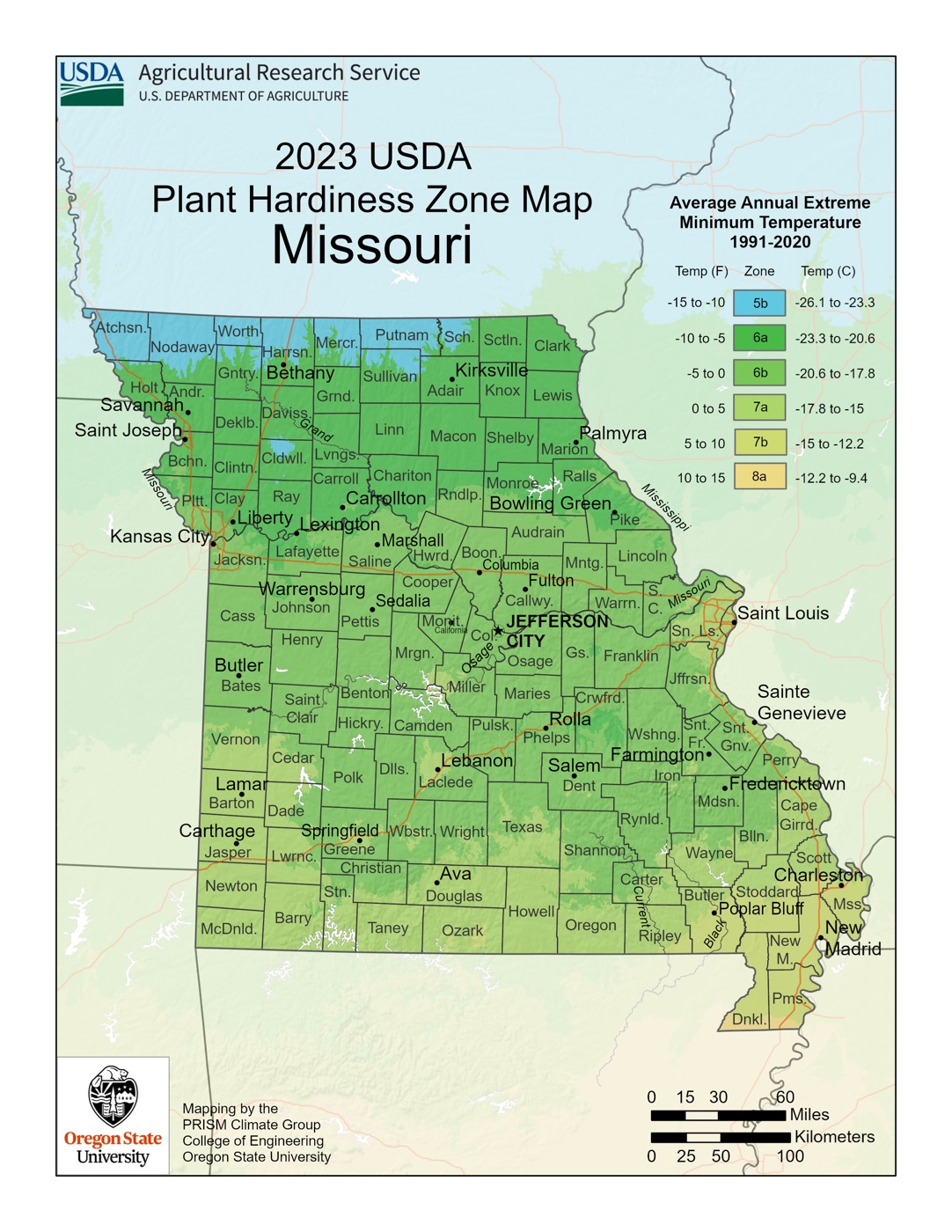 Missouri zone map (full size, opens in a new tab)
-
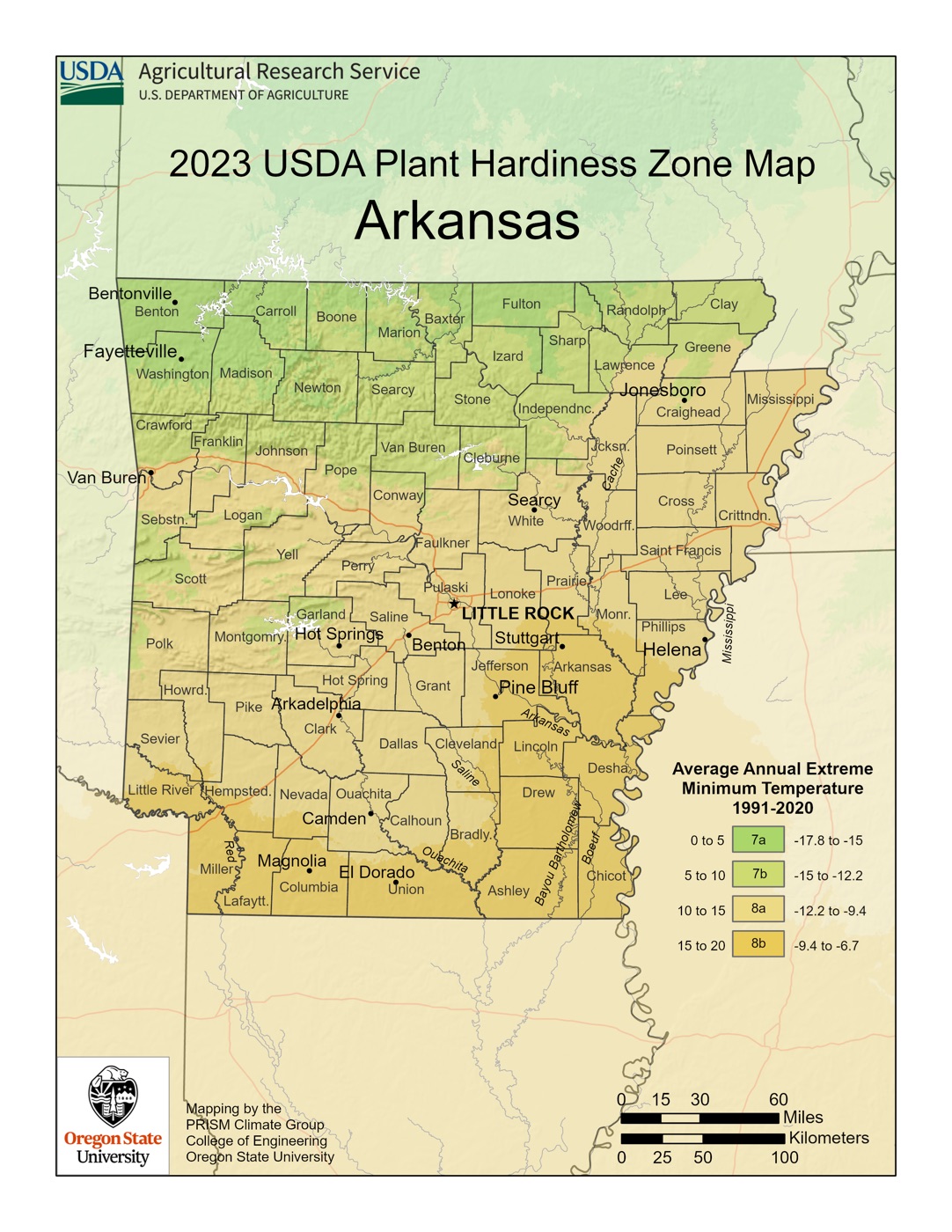 Arkansas zone map (full size, opens in a new tab)
-
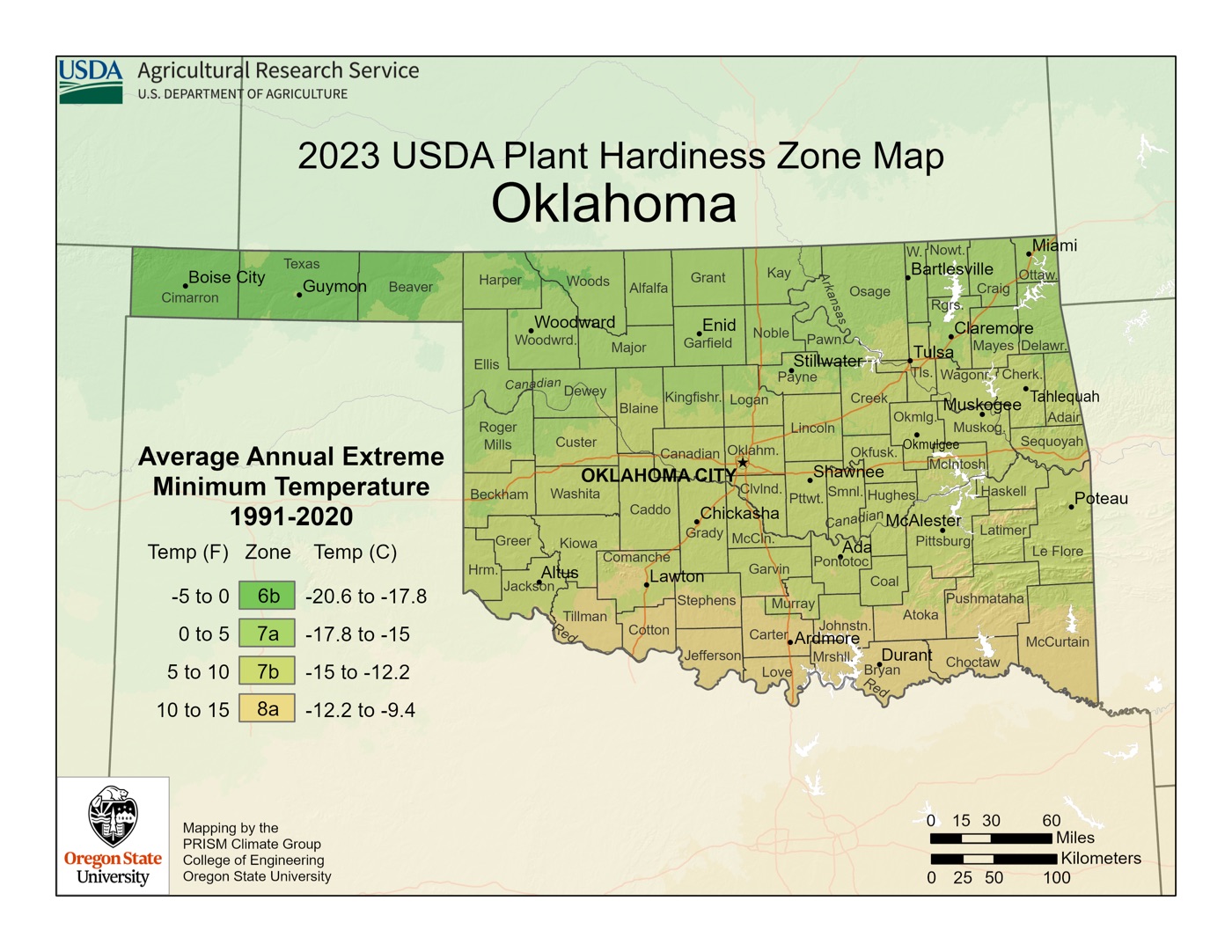 Oklahoma zone map (full size, opens in a new tab)
-
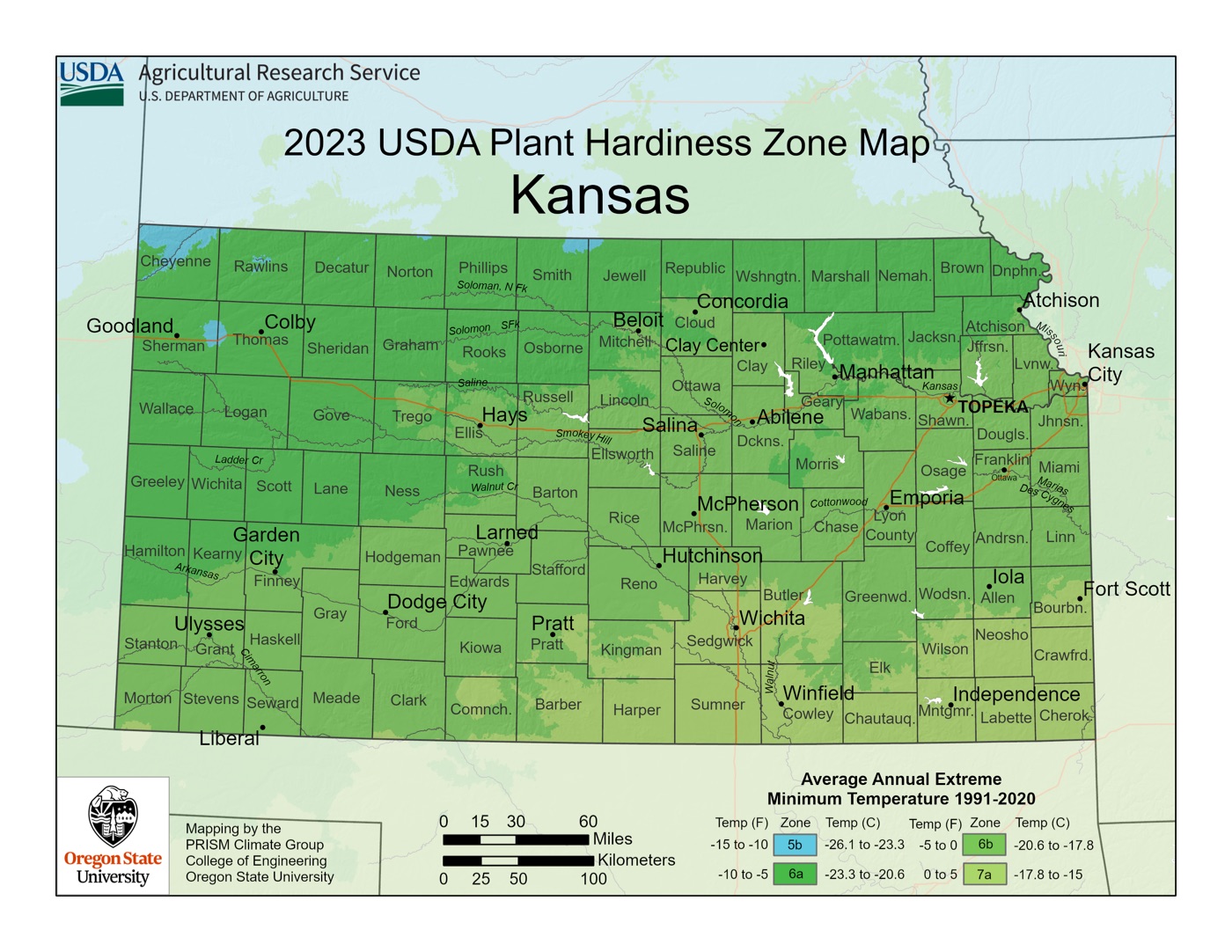 Kansas zone map (full size, opens in a new tab)
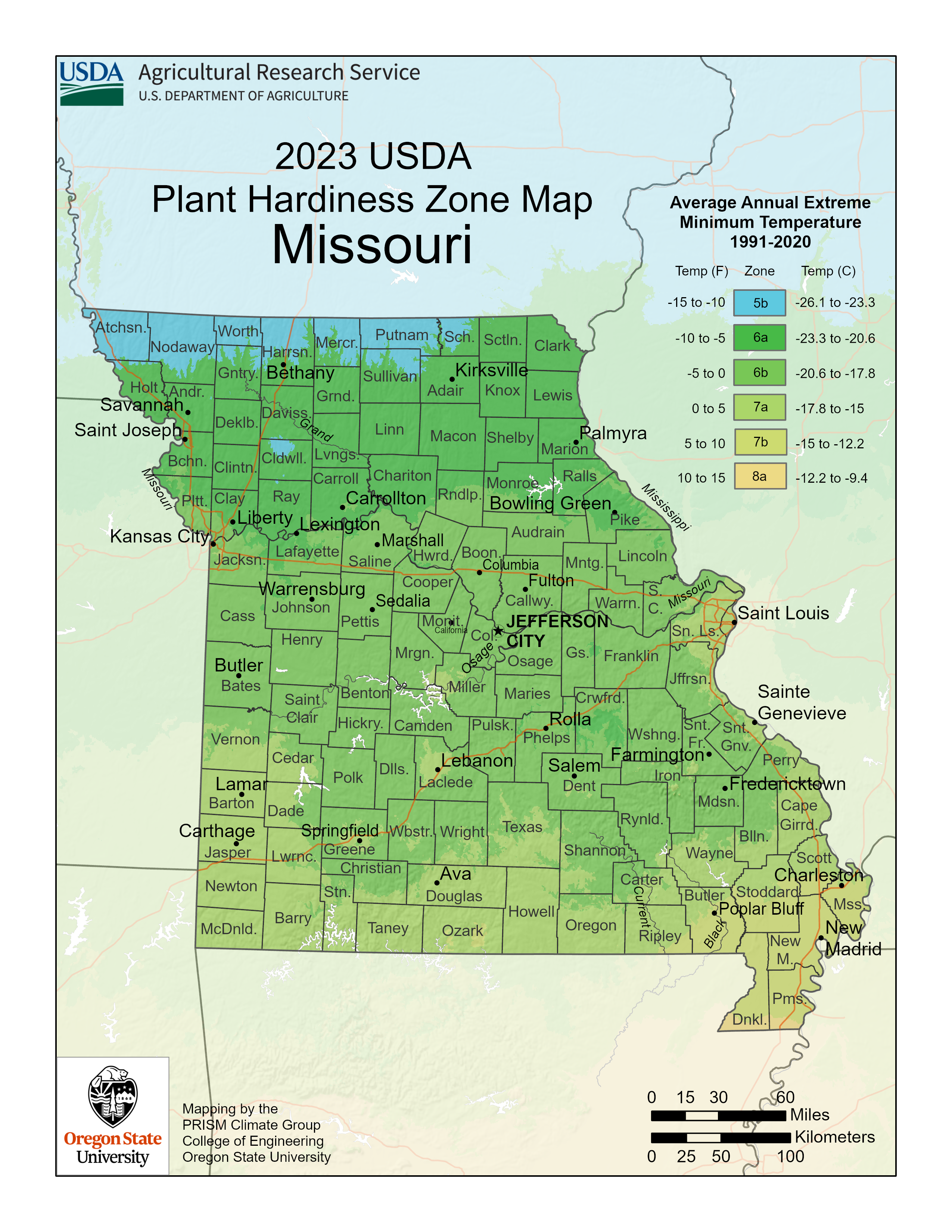
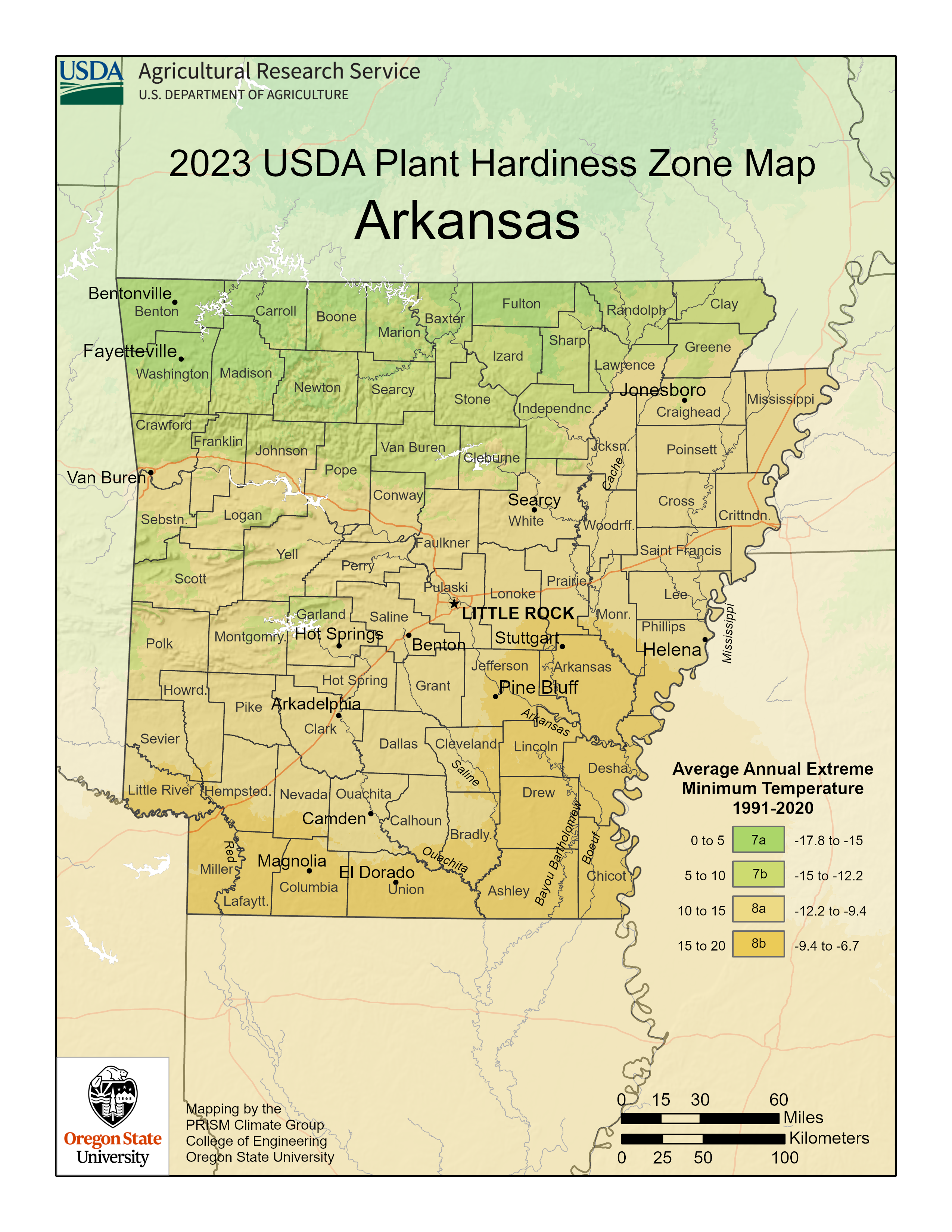
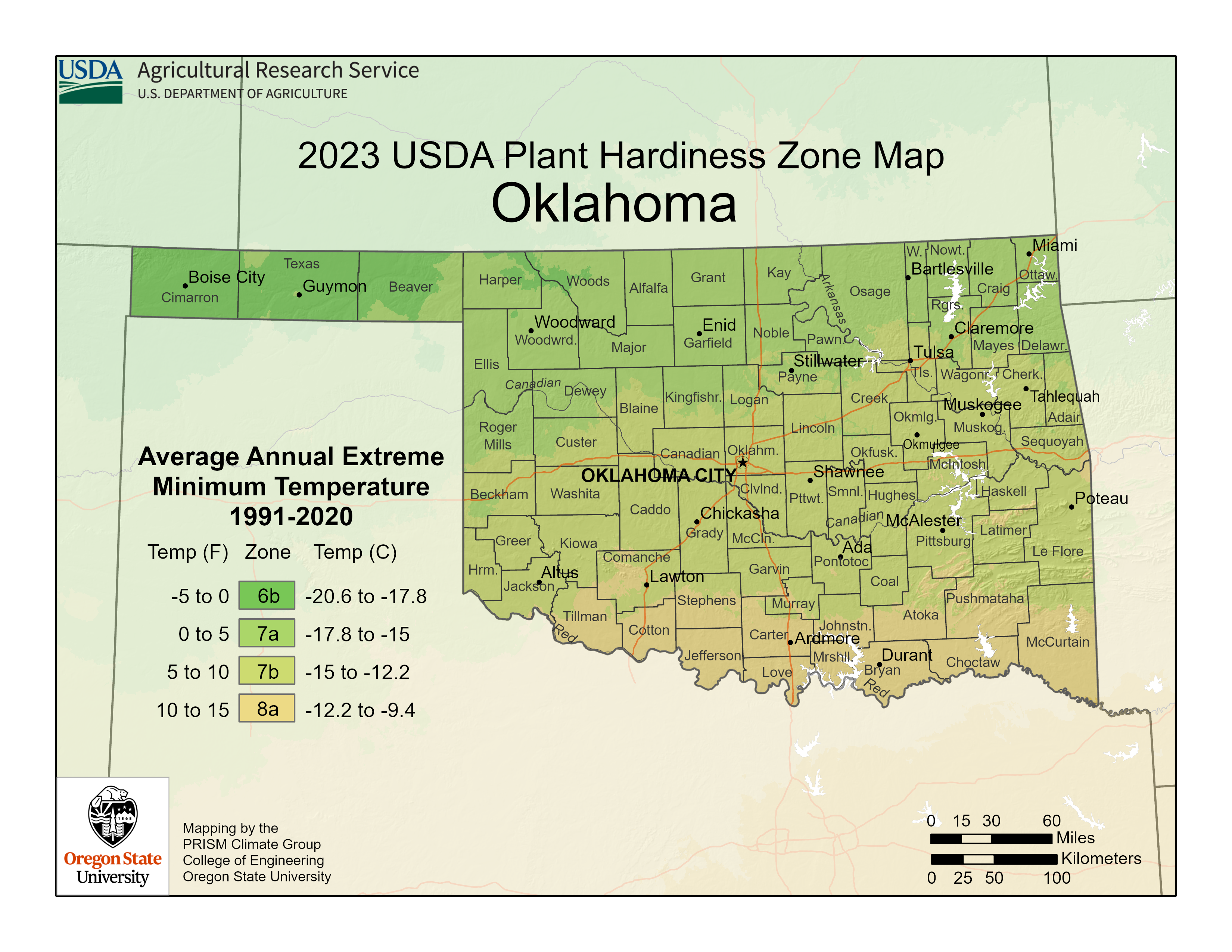
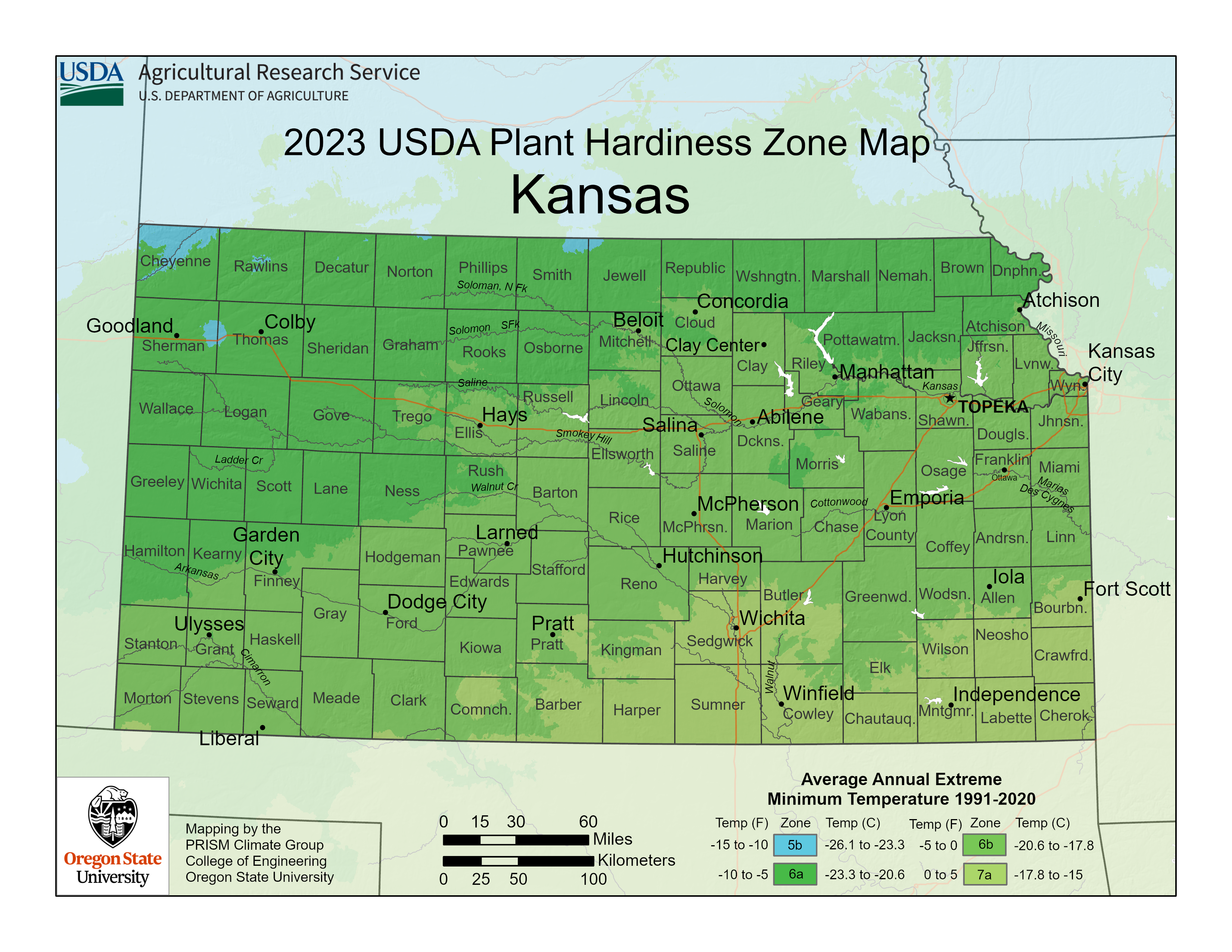
Official 2023 USDA Plant Hardiness Zone Maps. Tap a map to open it full size.
Maps: USDA Agricultural Research Service, with mapping by the PRISM Climate Group, Oregon State University.
Plant Patent
Not patented. This is the straight species, not a named variety, so there are no restrictions on growing it from seed or division.
About the Solomon’s Seal
Solomon’s seal grows wild throughout Missouri in rich woods, ravines, and stream banks. Its stems arch outward, with oval leaves along each side and small greenish-white bells hanging underneath in May and June. Dark blue to black berries follow in fall. It spreads slowly from underground stems to form colonies.
The Missouri Department of Conservation asks that people not dig it from the wild. Buy plants from a nursery instead.
Choosing a Spot
- Shade. Part shade to full shade, though it does best with some sun.
- Moist, rich soil. It suits woodland gardens, shade gardens, and rock gardens.
- Room to spread. It slowly forms colonies.
Planting
Set the plant so its crown, where the stems meet the roots, is even with the soil line. Container-grown plants can be planted at any time of year. Water them in well.
Watering
Most garden perennials need 1 to 2 inches of water a week in summer, from rain or watering. Once established it tolerates occasional dry or wet spells.
Mulch and Fertilizer
Mulch 2 to 4 inches deep. If the plant needs feeding, a light application of a balanced fertilizer when growth starts in spring is enough for most perennials.
Pruning
No pruning needed.
Common Problems
- Slugs and snails: The main pests to watch for.
- Deer: Deer and other mammals eat the foliage.
There are no serious disease problems.
Good for Wildlife
Bees and hummingbirds visit the flowers. Robins, bluebirds, thrushes, and other songbirds eat the berries, and mammals eat the roots and leaves.
Propagation
Divide the clumps in spring or fall while the plant is dormant.
Availability
Currently out of stock until Spring 2027.
Our nursery stock changes through the season. Contact us to check what we have on hand, current sizes, and pricing.
Sources
Growing information on this page was checked against these public references:
- Polygonatum biflorum (North Carolina Extension Gardener Plant Toolbox) (opens in a new tab)
- Solomon's Seal Field Guide (Missouri Department of Conservation) (opens in a new tab)
- Herbaceous Ornamentals, MG9 (University of Missouri Extension) (opens in a new tab)
Disclaimer: The information on this page is based on publicly available knowledge and research. Individual results may vary.