Sourwood
Oxydendrum arboreum
Sourwood is a slow-growing small tree with drooping sprays of white flowers in early summer and red fall color. Bees make a well-known honey from it. It needs acidic, moist, well-drained soil.
At a Glance
| Plant type | Deciduous flowering tree |
|---|---|
| Family | Heath family (Ericaceae) |
| Other names | Sorrel tree, lily-of-the-valley tree |
| Native range | Eastern and southern United States, from Pennsylvania to northern Florida and west to Ohio and Louisiana. Most common in the southeast. |
| Mature height | 20 to 30 feet |
| Mature spread | 10 to 25 feet |
| Growth rate | Slow |
| Flowers | Small, white, fragrant, urn-shaped flowers in drooping sprays 4 to 8 inches long. June to July. Trees grown from seed start flowering after 4 to 5 years. |
| Fruit or seed | Small brownish capsules that turn silver-gray in September and October. |
| Foliage | Glossy green leaves 3 to 6 inches long. Fall color is usually red or red-orange, sometimes yellow or purple. |
Growing Conditions
| USDA hardiness zones | 5 to 9 |
|---|---|
| Sun | Full sun to part shade |
| Soil | Acidic, moist, well-drained soil rich in organic matter |
| Soil pH | Acidic (below 6.0) |
| Water | Medium. Keep the soil moist. Sources disagree on drought; one lists it as drought-sensitive, another as tolerant of dry soil. |
| Tolerates | Heat, moderate salt |
| Does poorly with | Alkaline soil, air pollution and city conditions, being transplanted once established |
Will It Grow Here?
Yes, anywhere in our area. Sourwood is hardy in zones 5 to 9, which covers every zone in our area (6b through 8a).
| Zone | Grows here? | Towns in this zone |
|---|---|---|
| 6b (our farm) | Yes | Lebanon, MO; Bolivar, MO; Iola, KS; Garnett, KS |
| 7a | Yes | Springfield, MO; Joplin, MO; Fayetteville, AR; Bentonville, AR |
| 7b | Yes | Harrison, AR; Tulsa, OK; Broken Arrow, OK; Tahlequah, OK |
| 8a | Yes | Van Buren, AR; Alma, AR |
Not sure which zone you're in? Look up your ZIP code on the USDA Plant Hardiness Zone Map (opens in a new tab).
-
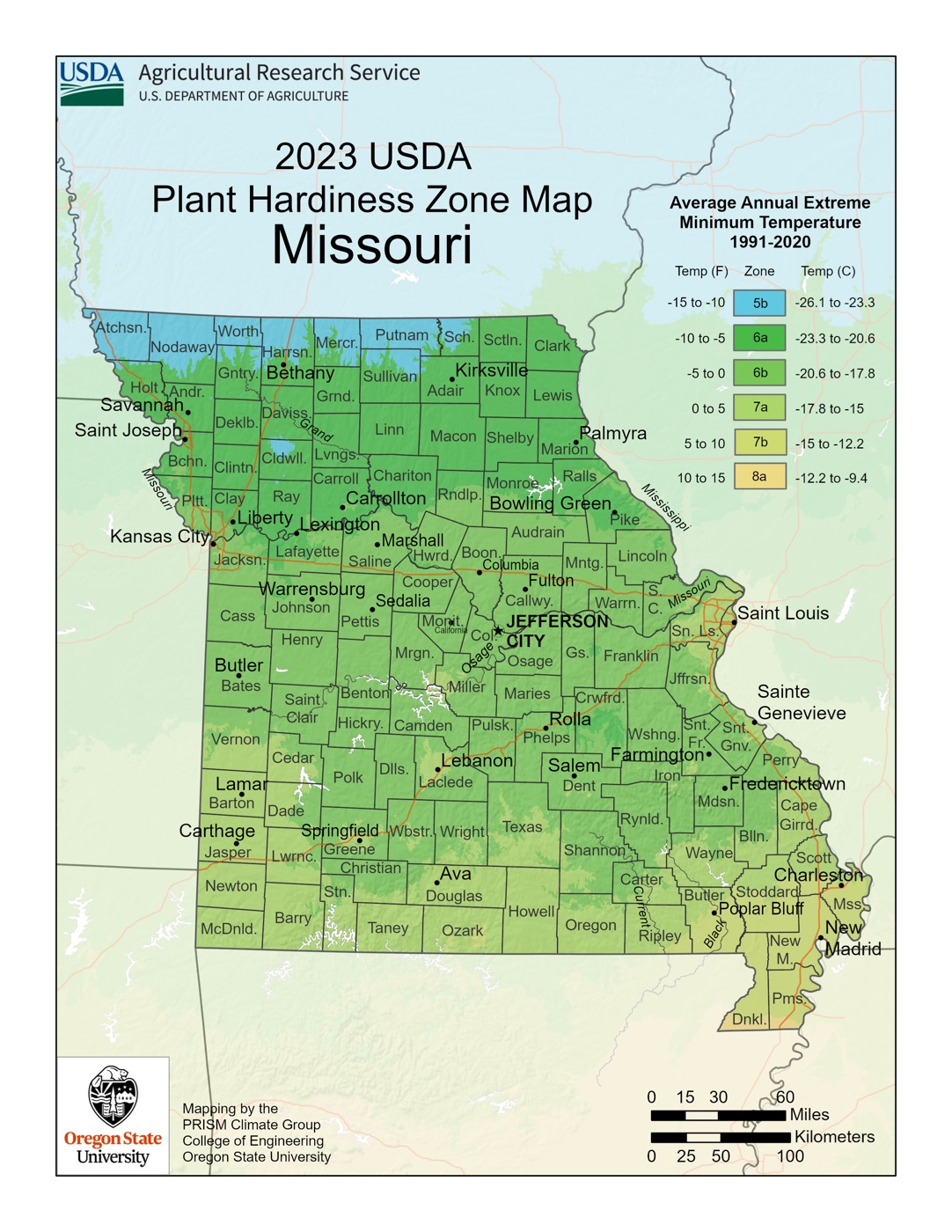 Missouri zone map (full size, opens in a new tab)
-
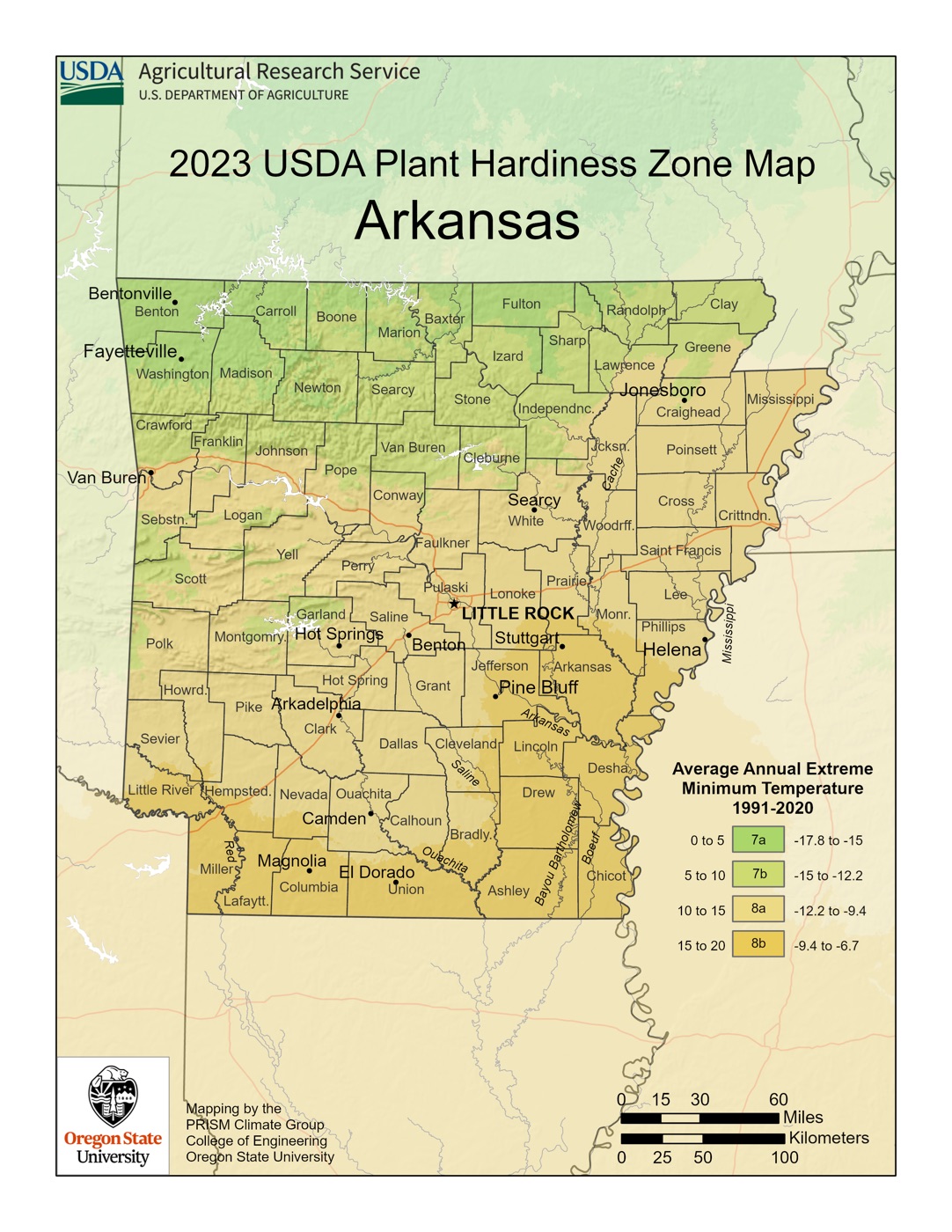 Arkansas zone map (full size, opens in a new tab)
-
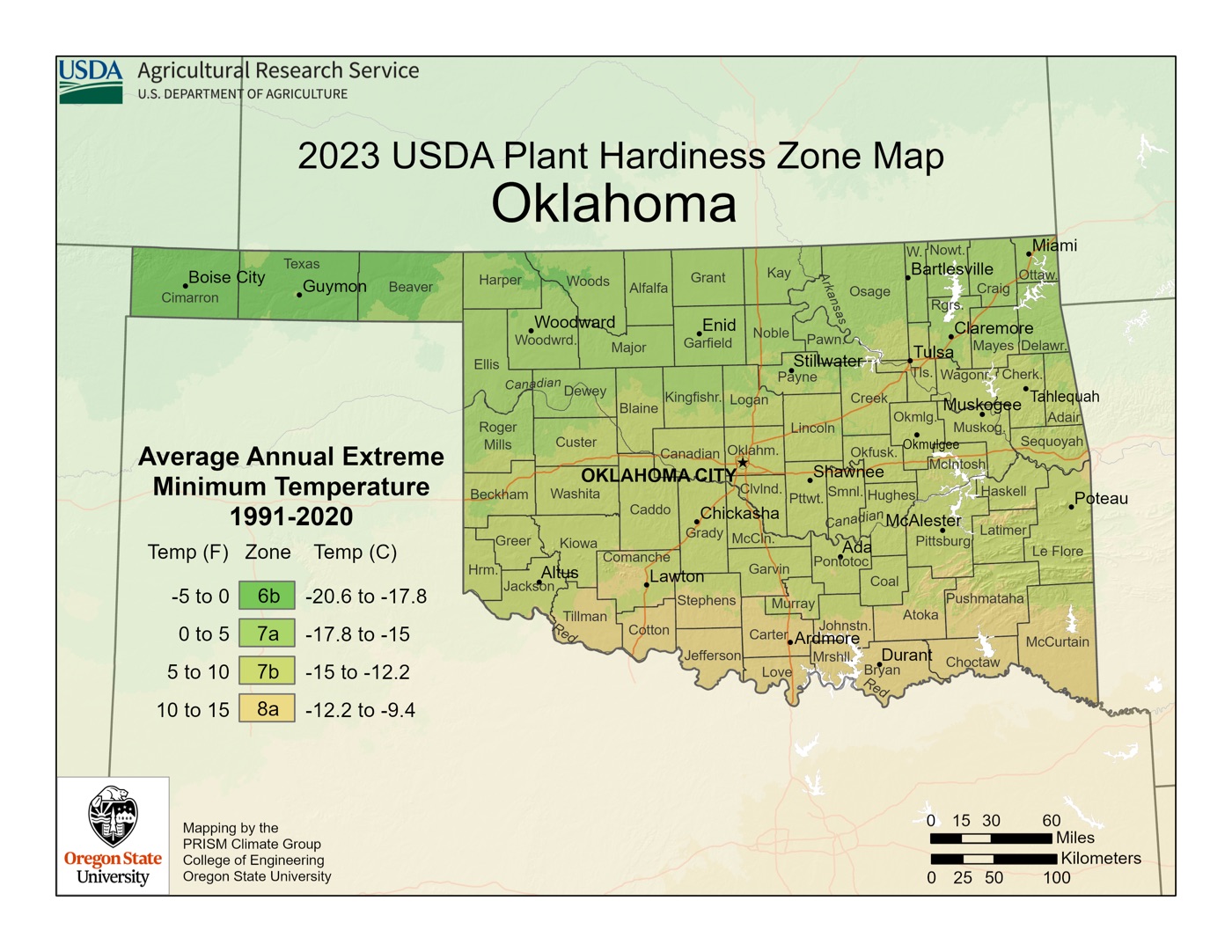 Oklahoma zone map (full size, opens in a new tab)
-
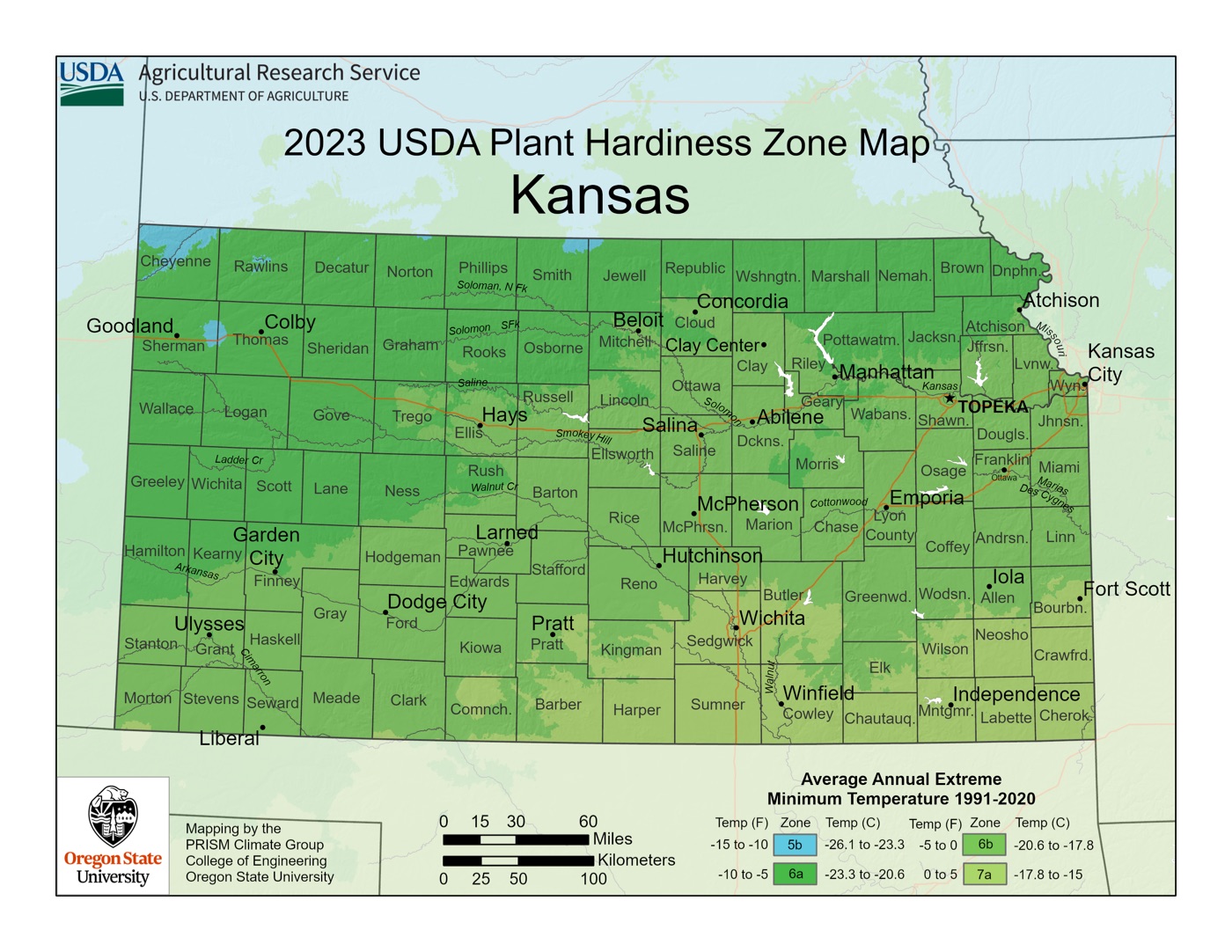 Kansas zone map (full size, opens in a new tab)
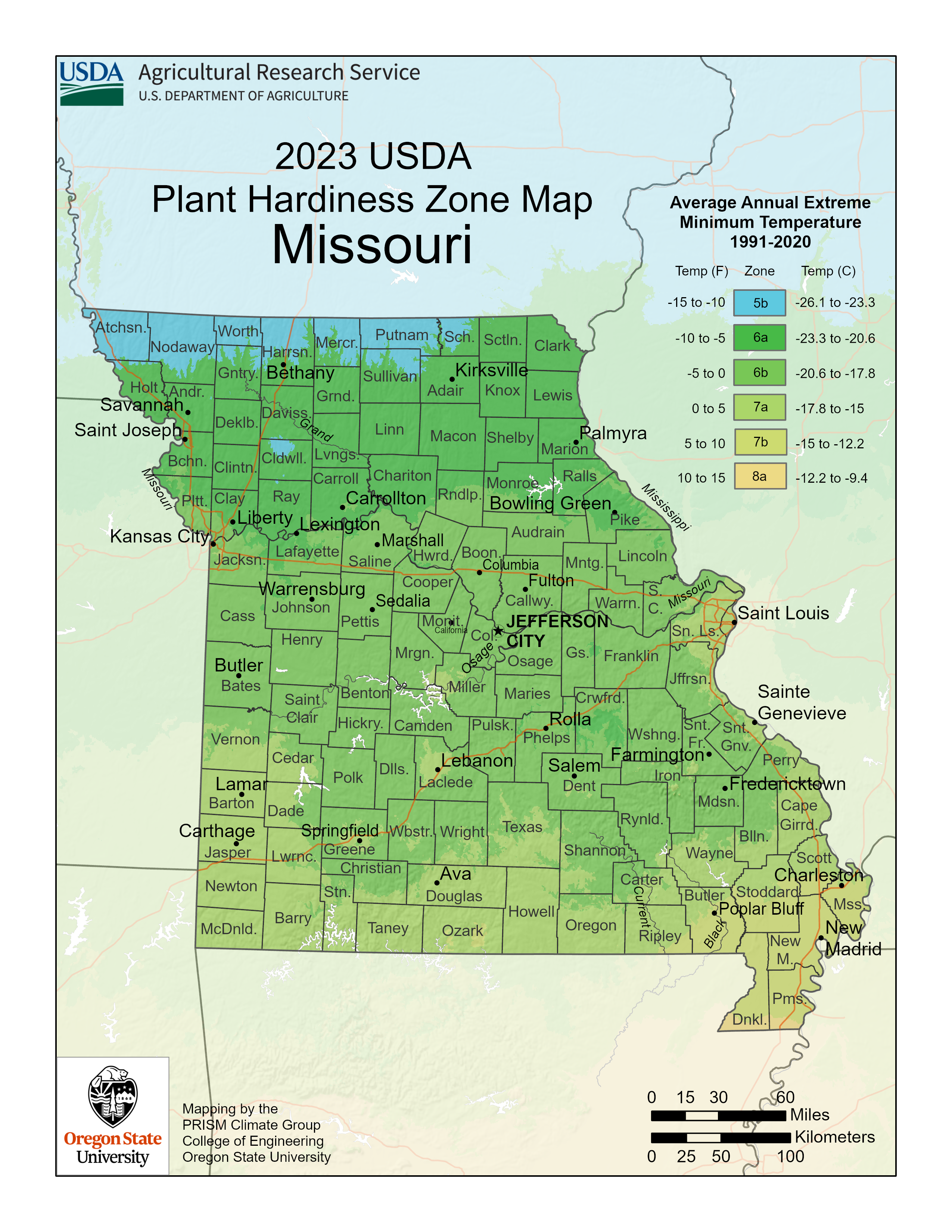
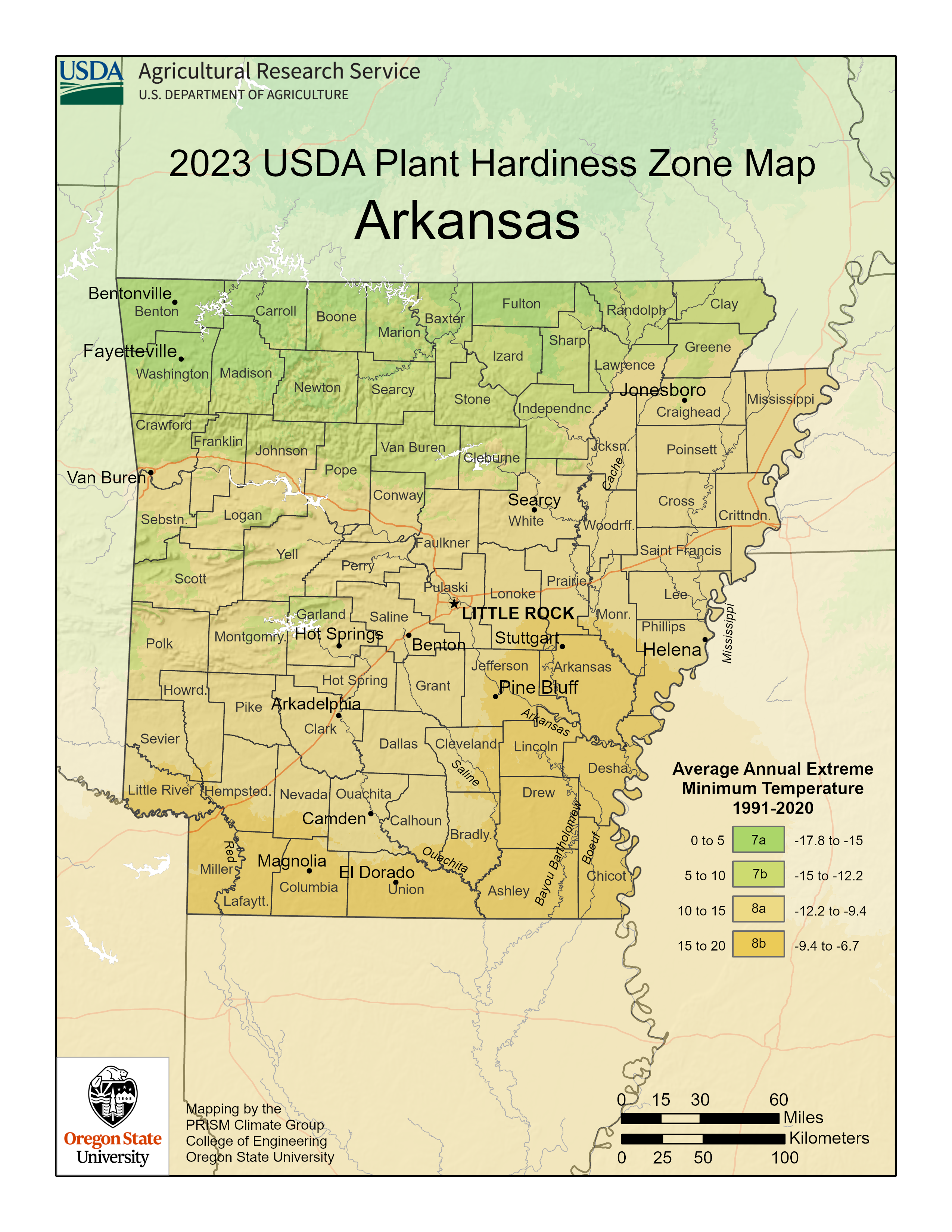
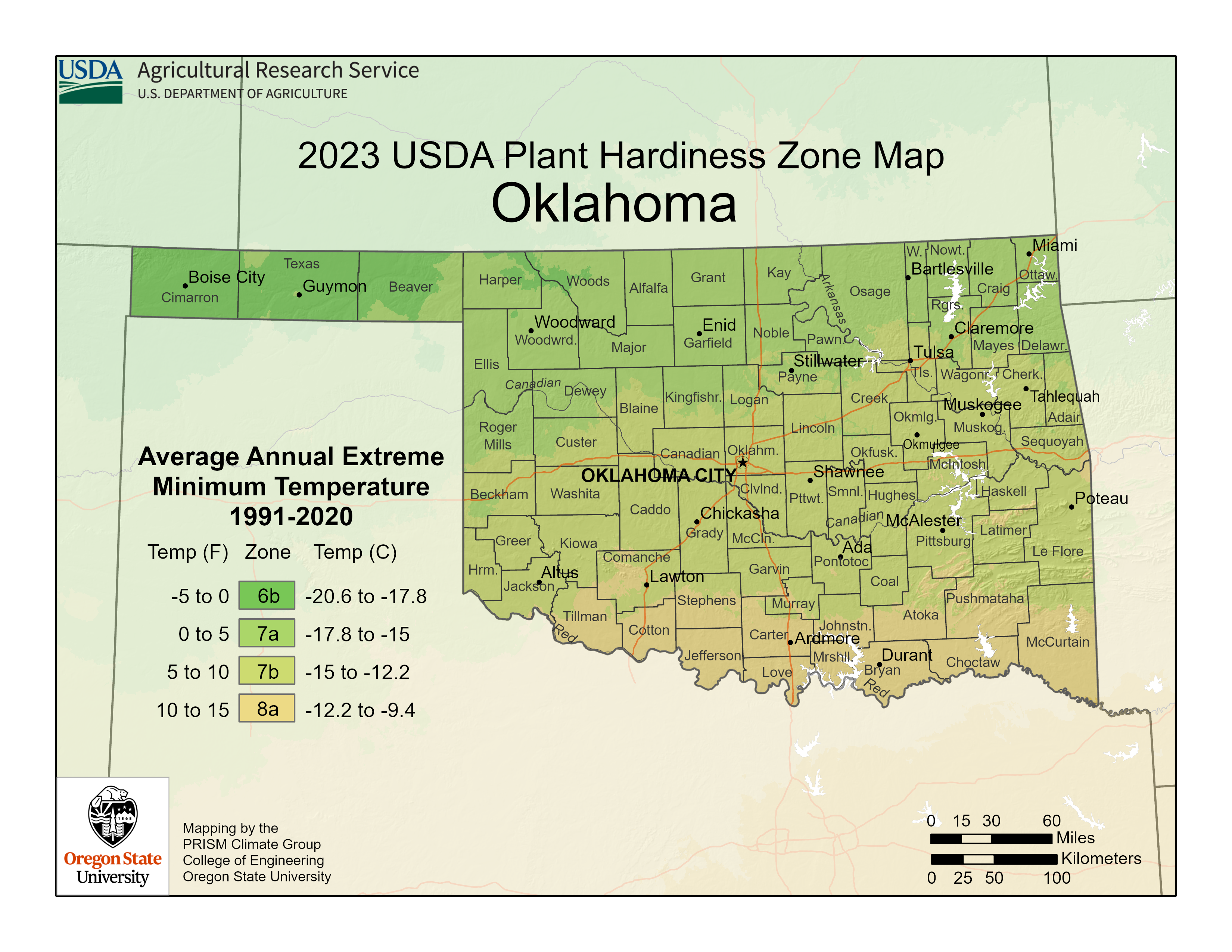
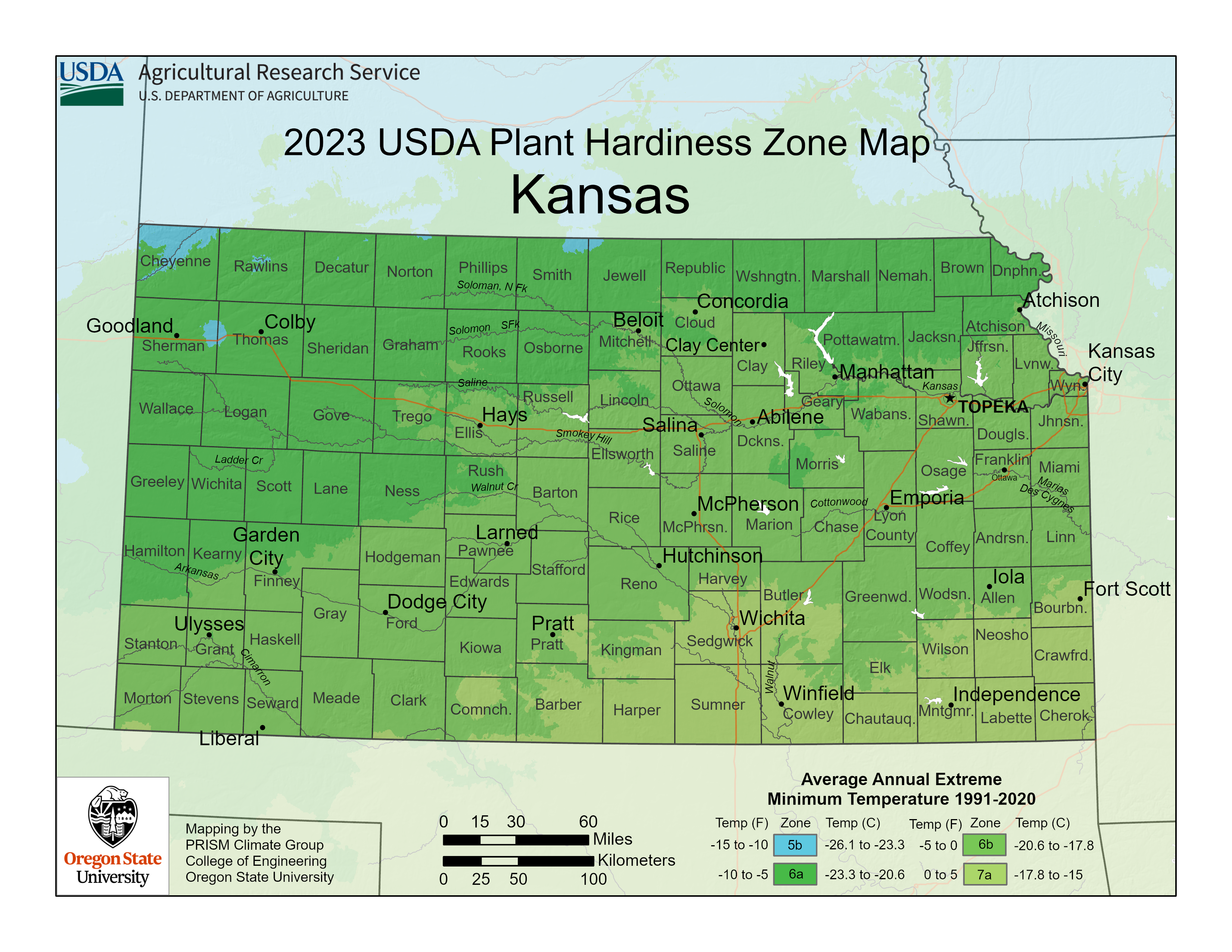
Official 2023 USDA Plant Hardiness Zone Maps. Tap a map to open it full size.
Maps: USDA Agricultural Research Service, with mapping by the PRISM Climate Group, Oregon State University.
Plant Patent
Not patented. This is the straight species, not a named variety, so there are no restrictions on growing it from seed or cuttings.
About the Sourwood
Sourwood is a small native tree of the southeastern United States. Its white flowers hang in sprays in early summer and look like lily-of-the-valley. Bees make honey from the nectar. The leaves contain oxalic acid and taste sour. In fall the leaves usually turn red.
Choosing a Spot
- Acidic soil is a must. Sourwood needs moist, well-drained, acidic soil. Get a soil test before you plant; it won’t do well in alkaline ground.
- Sun or part shade. Full sun to part shade.
- Away from the street. It doesn’t tolerate air pollution and city conditions well.
- Pick the spot for good. It doesn’t like to be moved once it’s growing, so plant a young tree where it can stay.
Planting
Sourwood doesn’t transplant well, so start with a young tree.
- Dig wide, not deep. Make the hole two to three times as wide as the root ball and only as deep. Set the root ball on undisturbed soil.
- Check the depth. The root flare, where the trunk widens into the roots, should end up at or slightly above the finished soil level.
- Slice circling roots. If roots circle the outside of the root ball, make three or four cuts an inch or two deep from top to bottom.
- Backfill with the soil you dug out. Amendments usually aren’t needed.
- Skip fertilizer at planting, and water right away.
Watering
New plants establish fastest with light, frequent watering. In summer a new tree may need water several times a week. Overwatering kills as easily as drought, so feel the soil before you water. Once established, keep the soil moist.
Mulch and Fertilizer
Spread organic mulch no more than 3 inches deep after it settles, and keep it off the trunk. Fertilize only if a soil test calls for it. The soil test will also tell you whether your soil is acidic enough.
Pruning
Established trees don’t need regular pruning. If you do prune, do it in early spring before the leaves come out, when cuts close fastest.
Common Problems
- Fall webworm: An occasional pest.
- Leaf spot and twig blight: Show up now and then.
- Poor growth in alkaline soil: Sourwood needs acidic soil and struggles without it. Check the pH.
There are no serious insect or disease problems.
Good for Wildlife
Bees and butterflies visit the flowers, and bees make honey from the nectar. Old trees with hollows shelter reptiles, amphibians, and bats.
Availability
Currently out of stock until Spring 2027.
Our nursery stock changes through the season, and tree sizes vary. Contact us to check what we have on hand, current sizes, and pricing.
Sources
Growing information on this page was checked against these public references:
- Oxydendrum arboreum (North Carolina Extension Gardener Plant Toolbox) (opens in a new tab)
- Sourwood (The Morton Arboretum) (opens in a new tab)
- Planting a Tree or a Shrub, FSA-6128 (University of Arkansas Cooperative Extension) (opens in a new tab)
- How to Plant a Tree, G6850 (University of Missouri Extension) (opens in a new tab)
- Pruning and Care of Shade Trees, G6866 (University of Missouri Extension) (opens in a new tab)
Disclaimer: The information on this page is based on publicly available knowledge and research. Individual results may vary.